
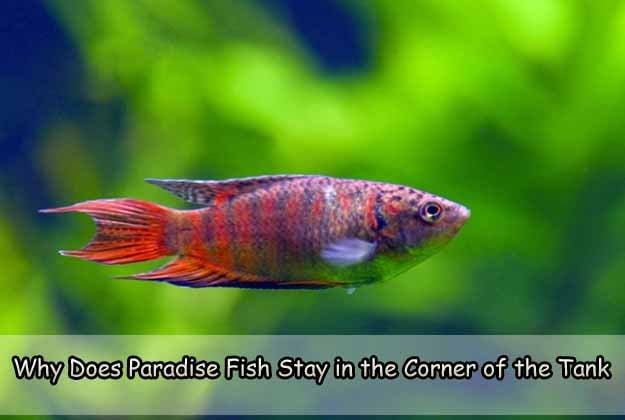
Fish staying corner usually signals stress, poor water quality, or territorial behavior.
I have worked with aquariums and kept fish for years, and I will walk you through why a fish staying corner happens, how to diagnose it, and what fixes work. This guide blends practical tips, clear diagnostics, and simple steps so you can help a fish staying corner feel safe and healthy again.

Why fish stay in the corner: what this behavior means
A fish staying corner is a common sign of discomfort or change. It often points to stress, illness, or environment issues that need attention.
Fish will stay in the corner for many reasons. Some are harmless, like temporary hiding. Others need quick action, like poor water or low oxygen.
I will explain causes, show how to test, and give clear fixes. This helps you spot the real reason behind a fish staying corner and act fast.

Common causes of a fish staying corner
Here are the main causes you will see with a fish staying corner. Check each one in order from easiest to fix to most serious.
- Stress and sudden changes
- New tank setups, a recent water change, or new tank mates can make a fish stay in the corner.
- Poor water quality
- High ammonia, nitrite, or wrong pH often pushes fish to the edges.
- Low oxygen levels
- Stagnant water and low surface agitation reduce oxygen and cause cornering.
- Territorial or aggressive fish
- Bullies can chase a fish into a corner to hide and feel safe.
- Disease or parasites
- Swim bladder issues, ich, or fungal infections make fish stay still in a corner.
- Temperature shock
- Water too hot or too cold stresses fish and may cause them to cluster in a corner.
Look for other signs like gasping, clamped fins, white spots, or rapid breathing. Those help confirm why a fish staying corner is happening.

Diagnosing water problems when a fish is staying corner
Testing water is the fastest way to find why a fish staying corner happens. Use simple kits and read results the same day.
- Test parameters to check
- Ammonia, nitrite, nitrate, pH, and temperature.
- How to interpret results
- Any ammonia or nitrite above zero needs action. High nitrate shows long-term care gaps.
- Quick fixes for bad water
- Do a 25–50% water change using conditioned water. Add oxygen by increasing surface flow.
- Ongoing checks
- Test daily until levels stabilize. Keep a log of results and changes.
When a fish staying corner coincides with poor test results, treat water first. It solves many cornering issues fast.
Tank setup and environment tips to stop cornering
A good tank layout lowers stress and reduces a fish staying corner. Small changes make big differences.
- Provide shelters and cover
- Plants, caves, and decorations give safe spots so fish won’t feel forced into corners.
- Match tank size to fish needs
- Crowded tanks create stress and push fish to corners. Follow size guidelines for species.
- Improve flow and aeration
- Use a filter that creates surface movement. Add an air stone for oxygen.
- Create visual barriers
- Rocks or plants break lines of sight so shy fish feel secure and leave corners.
A well-designed tank reduces the chance a fish will stay in the corner and become stressed.

Disease, biology, and health reasons for cornering
Illness often shows as a fish staying corner. Learn common health causes and signs to watch for.
- Swim bladder disorder
- Causes buoyancy loss and makes fish sit or float oddly near corners.
- Parasites and infections
- Ich, velvet, and fungal infections cause lethargy and cornering.
- Internal issues and toxicity
- Toxins, poor diet, or organ problems lead to low energy and hiding.
- Signs to note
- Loss of appetite, faded color, labored breathing, and abnormal swimming.
If disease is likely, isolate the fish and treat based on symptoms. Timely action improves recovery.
My experience fixing a fish staying corner (real-world tips)
I once had a small community tank where a tetras group kept staying in the corner after a filter change. I share what I learned.
- What I did wrong first
- I changed too much water at once and shocked the fish with different pH. The cornering got worse.
- Steps that worked
- I reversed the pH change with partial water swaps, increased aeration, and added plants for cover. The fish returned to normal in three days.
- Key lessons
- Make gradual changes. Test water before and after any big step. Provide hiding spots.
These small, practical fixes helped my fish stop staying in the corner and feel secure again.
Prevention strategies to reduce cornering in future
Preventing a fish staying corner is easier than fixing it. Use routine care and smart choices.
- Routine maintenance
- Weekly partial water changes and monthly filter checks.
- Stable schedules
- Keep light and feeding times regular. Sudden changes stress fish.
- Thoughtful stocking
- Avoid mixing aggressive species with shy ones. Research compatibility.
- Quarantine new fish
- New arrivals can carry disease. Quarantine for two weeks before adding them to the main tank.
These habits prevent many reasons a fish would stay in the corner.
When to seek a vet or aquarium specialist
Sometimes a fish staying corner needs expert care. Know when to escalate.
- Seek help if:
- Cornering lasts several days with no improvement.
- Multiple fish show severe symptoms like gasping, lesions, or sudden death.
- What specialists can do
- Diagnose complex diseases, recommend treatments, and suggest water therapy plans.
- Cost and options
- Many vets offer remote consults. Local aquarium clubs also provide guidance.
If basic fixes don’t help, get professional advice quickly to save fish and protect the tank.
Quick PAA-style questions about fish staying corner
Why does my fish stay in the corner after a water change?
Rapid changes in temperature, pH, or chemistry cause stress. Do smaller, gradual water changes and match new water conditions first.
Can low oxygen make fish stay in the corner?
Yes. Low oxygen makes fish gather at the surface or cling to calm corners. Increase surface agitation and aeration to improve oxygen.
Is cornering always an emergency?
Not always. Short-term hiding can be normal. Persistent cornering with other symptoms is a sign to act.
Frequently Asked Questions of fish staying corner
Why is my fish staying in the corner of the tank at the bottom?
This often means the fish is stressed or low on energy. Test water and check for disease signs like clamped fins or white spots.
My fish is staying in the corner and breathing fast. What should I do?
Fast breathing suggests low oxygen or poor water quality. Increase aeration and test ammonia, nitrite, and oxygen levels.
Can tank mates make a fish stay in the corner?
Yes, aggressive or territorial tank mates can chase a fish into a corner. Rehome or separate aggressive fish to reduce bullying.
How long can a fish stay in the corner before it's critical?
If cornering lasts more than 48–72 hours with no improvement, it is time to take more serious action. Check water, isolate the fish, and seek help if needed.
Will a fish recover from swim bladder problems that cause cornering?
Many fish recover with proper care and diet changes. Fast for a day, then feed cooked pea or a low‑floating pellet and keep water clean.
Conclusion
A fish staying corner is a clear signal your aquarium needs attention. Test your water, check tank mates, and inspect for signs of disease. Use gradual fixes, provide shelter, and keep routines steady to help fish feel safe. If problems persist, consult an expert to protect your tank and its inhabitants.
Take action now: test your water, add a small plant or cave, and watch for changes over 48 hours. Share your experience or questions in the comments, or subscribe for more practical aquarium care tips.
