
Reptile UVB replacement keeps your pet healthy by restoring UVB output and preventing metabolic bone disease.
I have kept and bred reptiles for over a decade. I know how critical UVB is for calcium, vitamin D3, and overall health. This guide on reptile uvb replacement brings clear rules, real tips, and step-by-step checks. Read on to learn when to swap bulbs, how to choose the right replacement, and how to avoid common mistakes that harm reptiles.

What is UVB and why reptile UVB replacement matters
UVB is a band of ultraviolet light that helps reptiles make vitamin D3 in their skin. Without D3, reptiles cannot absorb calcium well. That leads to weak bones, bad growth, and health problems.
Reptile uvb replacement matters because bulbs lose UVB long before they dim visibly. A bulb can look bright but be weak in UVB output. Regular replacement keeps UVB levels safe and stable for your animal.
Common types of UVB bulbs include compact fluorescents, straight fluorescent tubes, and mercury vapor bulbs. LEDs mostly do not produce UVB, so they cannot replace true UVB sources. Understanding bulb type helps you pick the right reptile uvb replacement.
Signs your reptile needs a UVB replacement
Watch the animal, not the bulb. Changes in behavior or health often show first.
- Decreased appetite or slow weight gain. These are early warning signs linked to low vitamin D3.
- Soft or misshapen bones, tremors, or swelling in the jaw or limbs. These are classic signs of metabolic bone disease.
- Lethargy, weak posture, or poor shedding. These can also point to chronic low UVB exposure.
- Long-term eggshell issues in breeding females. Thin shells often mean poor calcium absorption.
If you see one or more signs, test the UVB output. Use a UVB meter or replace the bulb on schedule. Do not wait for visible dimming. Replace as part of routine care.

How often to perform reptile UVB replacement
Replacement timing depends on bulb type and brand. Follow manufacturer guidance, but use these general rules.
- Fluorescent linear tubes: replace every 6 to 12 months. Even if light looks fine, UVB drops over time.
- Compact fluorescent bulbs: replace every 6 months. These lose UVB faster than tubes.
- Mercury vapor bulbs: replace every 9 to 12 months. They emit heat and UVB but still weaken.
- LED fixtures: do not assume they replace UVB. Use a true UVB source in addition to LEDs.
Temperature and run hours matter. Leave bulbs on typical day cycles. Replace bulbs sooner if used 12 hours or more per day. Always track the install date and set reminders.
Choosing the right reptile UVB replacement
Pick a bulb for your species and enclosure setup. Consider UVB strength, bulb type, enclosure size, and distance.
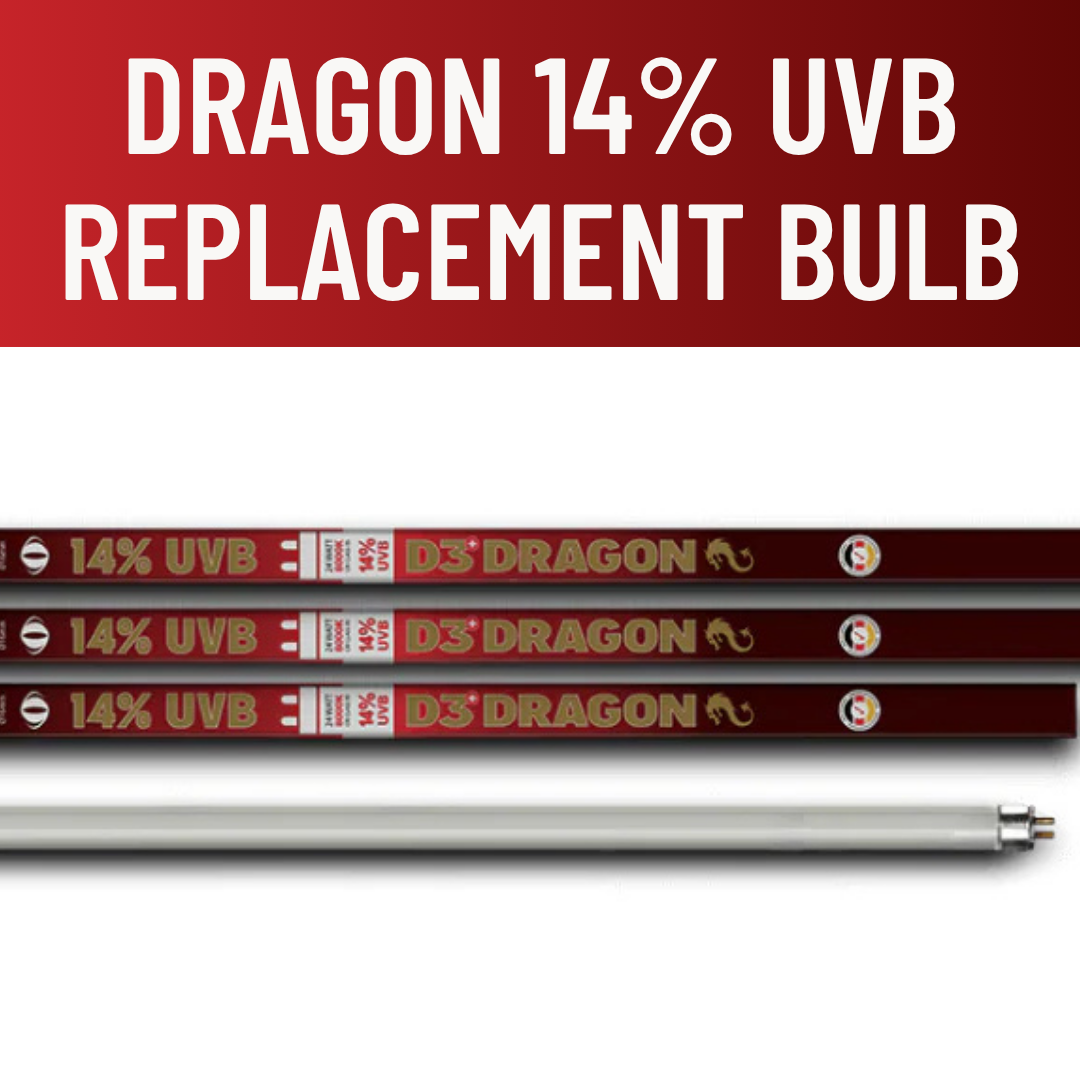
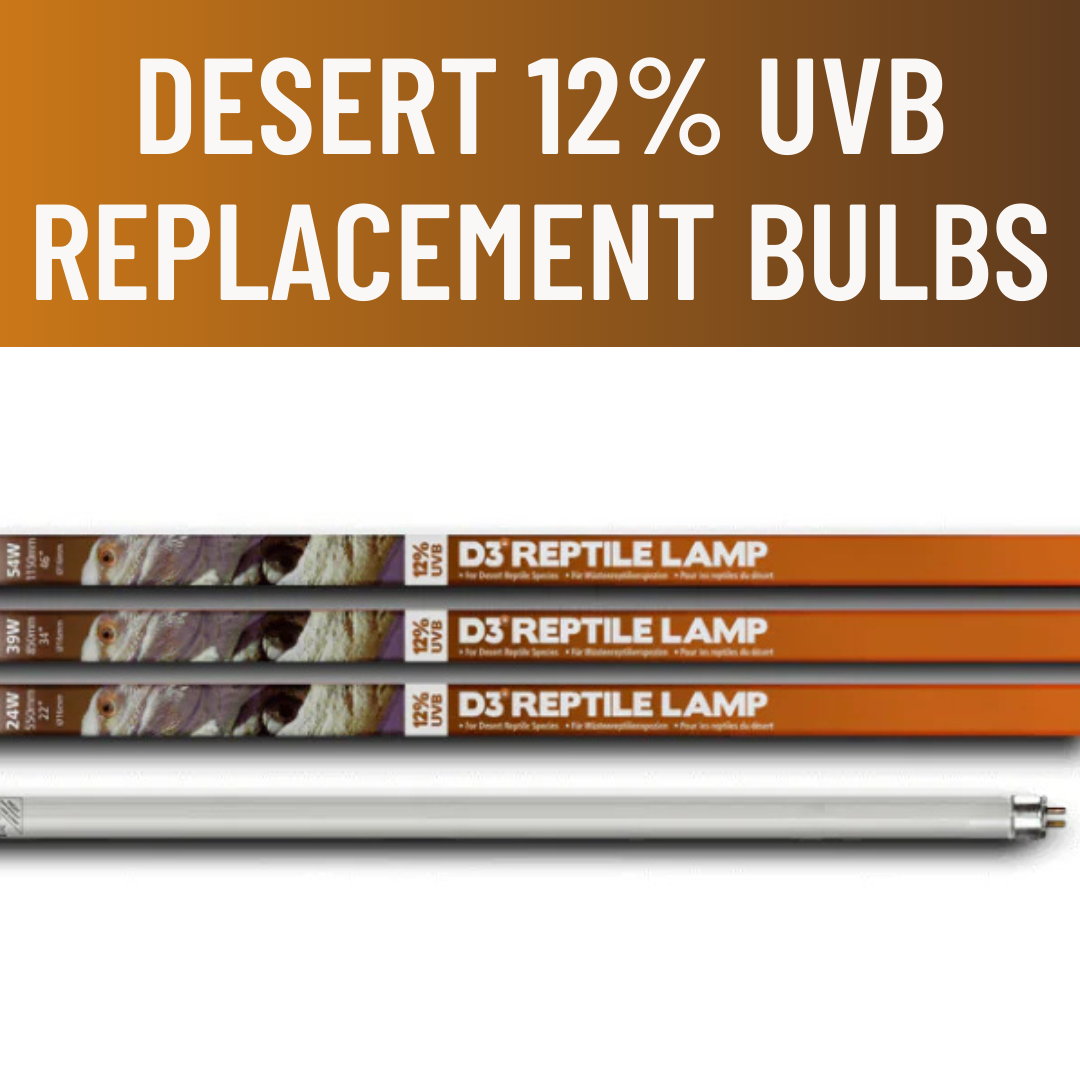
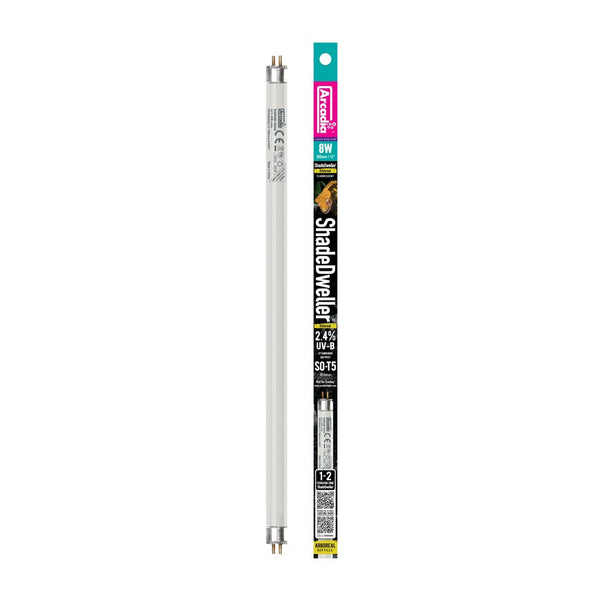
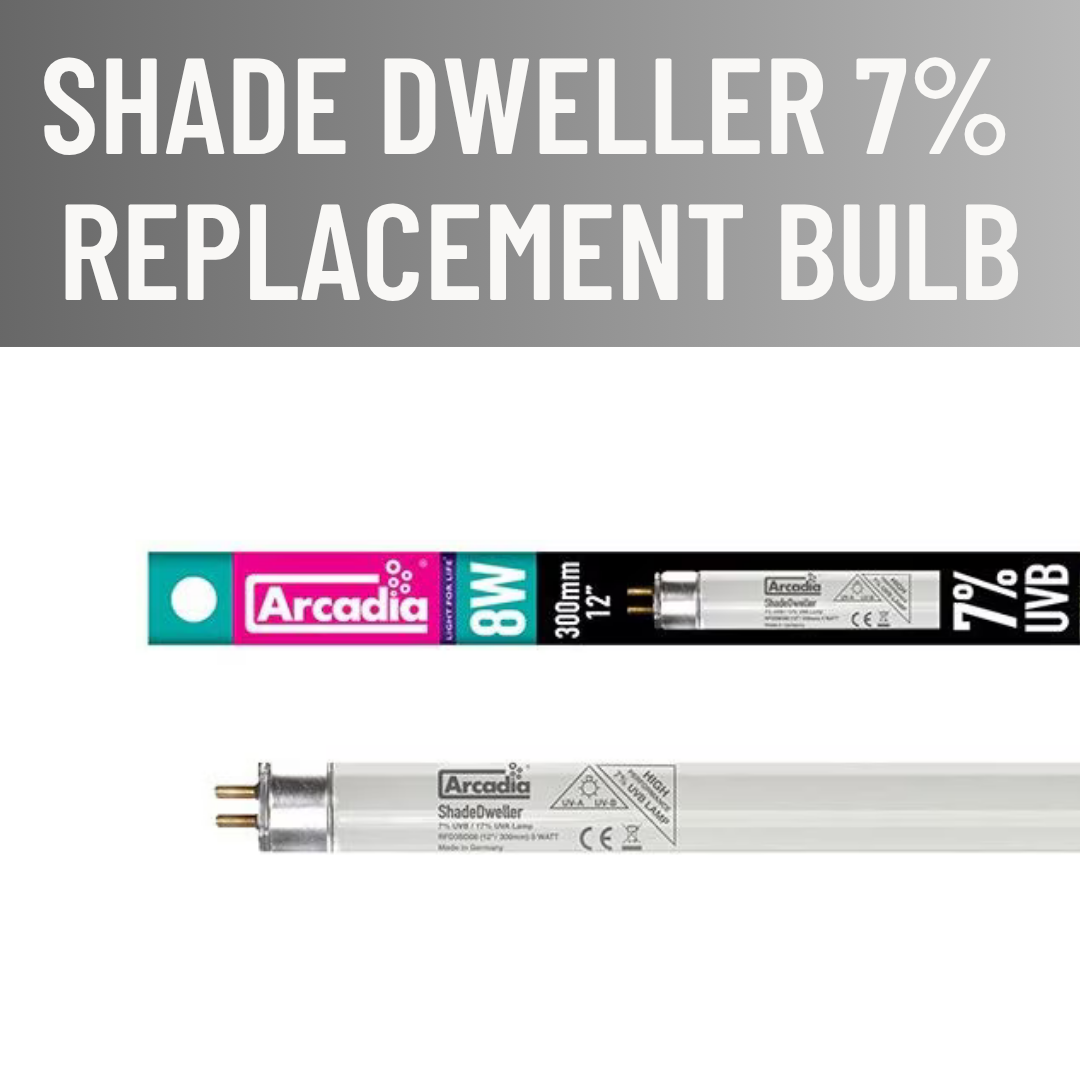
- Match UVB output to species needs. Desert species need higher UVB (e.g., 10–14% tube). Forest species need lower UVB (e.g., 2–5% tube).
- Measure distance from basking spot to bulb. UVB falls off fast. If your reptile basks 12 inches away, choose a bulb rated for that distance.
- Choose full-spectrum bulbs that include UVA. UVA supports activity and feeding.
- Avoid bulbs that emit too much heat if you also use separate heat sources. Combining heat and UVB can overheat an enclosure.
If unsure, pick a reliable brand and replace on the recommended schedule. When you install a replacement, test levels with a meter to confirm the output.
Step-by-step reptile UVB replacement and safety tips
Replace bulbs safely. Follow these clear steps.
- Turn off and unplug the fixture. Allow the bulb and fixture to cool.
- Remove the old bulb carefully. Dispose of it according to local rules for fluorescent waste.
- Inspect the fixture and reflector. Clean dust and check sockets for damage.
- Install the new reptile uvb replacement bulb. Secure it firmly but do not use too much force.
- Turn on and let it run for a few hours. Use a UVB meter to verify levels at the basking site.
- Record the install date. Set a calendar reminder for the next replacement.
Safety tips
- Wear gloves when handling old bulbs. Mercury bulbs can break and release dust.
- Do not cover UVB bulbs with glass unless the glass is rated to pass UVB.
- Keep bulbs at the correct distance from the animal to avoid burns or underexposure.
Common mistakes and troubleshooting
Avoid these frequent errors that lead owners to replace bulbs too late or choose wrong replacements.
- Mistake: Replacing bulbs only when they look dim. The visible light may remain, while UVB falls off early.
- Mistake: Using cheap bulbs with no UVB output claims. Always check UVB percentage and distance ratings.
- Mistake: Mounting bulbs outside the enclosure glass. Most glass blocks UVB and reduces output drastically.
- Trouble: Reptile still shows symptoms after replacement. Check distance, fixture, and calcium in the diet. Test the new bulb with a meter.
If you suspect a problem, consult a reptile vet. Test both the UVB and the reptile’s calcium status to get a clear diagnosis.
Costs, lifespan, and environmental considerations
Understand what replacement costs and how to handle old bulbs.
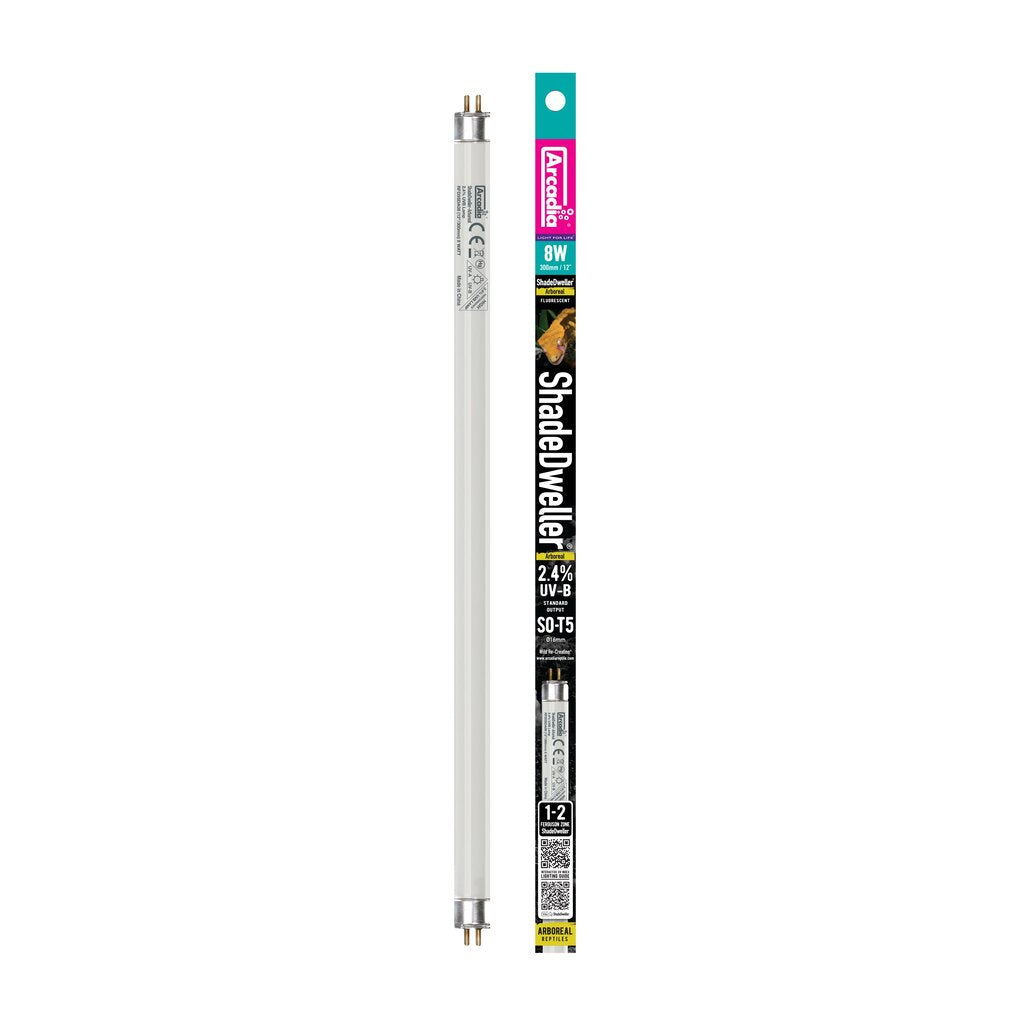
- Cost: Basic tubes are low cost. High-quality bulbs cost more but are more consistent in output. Expect to spend more over time on reliable reptile uvb replacement.
- Lifespan: Most bulbs last 6–12 months in terms of UVB output. Heat lamps with UVB may last a bit longer but still need annual checks.
- Disposal: Fluorescent bulbs contain small amounts of mercury. Recycle them at a proper facility. Don’t toss them in regular trash.
Budget for scheduled replacement rather than emergency swaps. A consistent replacement plan saves money and prevents health issues.
Personal experience and practical tips
I learned several lessons from hands-on care and breeding work.
- I once used a bulb that looked bright but failed a UVB meter. My bearded dragon developed mild bone softening after a year. After switching bulbs and supplementing diet briefly, the animal recovered.
- Keep a simple log with dates for each reptile uvb replacement. It saved me from guesswork.
- Buy a small UVB meter. It gives peace of mind and helps fine-tune bulb distance.
- When in doubt, choose the stronger-approved bulb for your species and place a hide farther from the light so the reptile can move away.
These tips are practical. They work across common species like bearded dragons, leopard geckos, uromastyx, and iguanas.
Frequently Asked Questions of reptile uvb replacement
How often should I replace my reptile UVB bulb?
Most UVB bulbs need replacement every 6 to 12 months, depending on type. Follow the manufacturer and track install dates.
Can I rely on visible brightness to judge UVB strength?
No. Visible light can stay bright while UVB drops. Use a UVB meter or replace on schedule.
Do LED lights replace the need for UVB bulbs?
No. Most LEDs do not emit UVB. Use a dedicated UVB source if your species needs UVB.
Is a higher UVB percentage always better?
Not always. Too much UVB can stress some species. Match the UVB level to your reptile’s natural habitat and basking distance.
What if my reptile shows signs of metabolic bone disease?
See a reptile vet right away. Replace the bulb, test UVB levels, and check dietary calcium and vitamin D3.
Can I use the same bulb for multiple enclosures?
You can, but monitor run hours and install dates. Frequent moving can shorten bulb life.
How do I safely dispose of old UVB bulbs?
Recycle them at an approved center. Fluorescent bulbs contain trace mercury and need special handling.
Conclusion
Reptile uvb replacement is a small task that protects your pet’s bones and health. Swap bulbs on a schedule, measure output when possible, and match the bulb to your species and setup. Keep a log and use a meter to avoid guesswork.
Take action today: check your bulb install dates and plan the next reptile uvb replacement. Leave a comment or share your experience to help other keepers.
