
Isolate new reptiles for 30 to 90 days and monitor health, fecals, and behavior every day.
As a herpetoculturist with over eight years of hands-on experience, this reptile quarantine guide walks you through every step you need. I’ll share clear, practical steps, checklists, and real-life lessons so you can protect your collection and keep new animals healthy. Read on to learn how to set up a quarantine enclosure, what to watch for, and when it’s safe to move a reptile into its permanent home.
Understanding the basics of this reptile quarantine guide
Quarantine means keeping a new or sick reptile separate from others to prevent disease spread. This reptile quarantine guide focuses on reducing risk, spotting illness early, and practicing consistent hygiene. A proper quarantine saves money, heartache, and lives by stopping common infections before they spread.
How long should quarantine last?
Most keepers use a 30 to 90 day window depending on species and risk factors. This reptile quarantine guide recommends at least 30 days for healthy-looking animals and up to 90 days when the source is unknown or there was recent stress. Shorter quarantine increases risk; longer quarantine gives time for slow-developing issues to appear.
How long is typical for snakes, lizards, and turtles?
Snakes: 30 to 90 days. Lizards: 30 to 60 days. Turtles: often 60 to 90 days due to shell and GI concerns.
(Short, clear guidance for everyday decisions.)
Setting up a quarantine enclosure
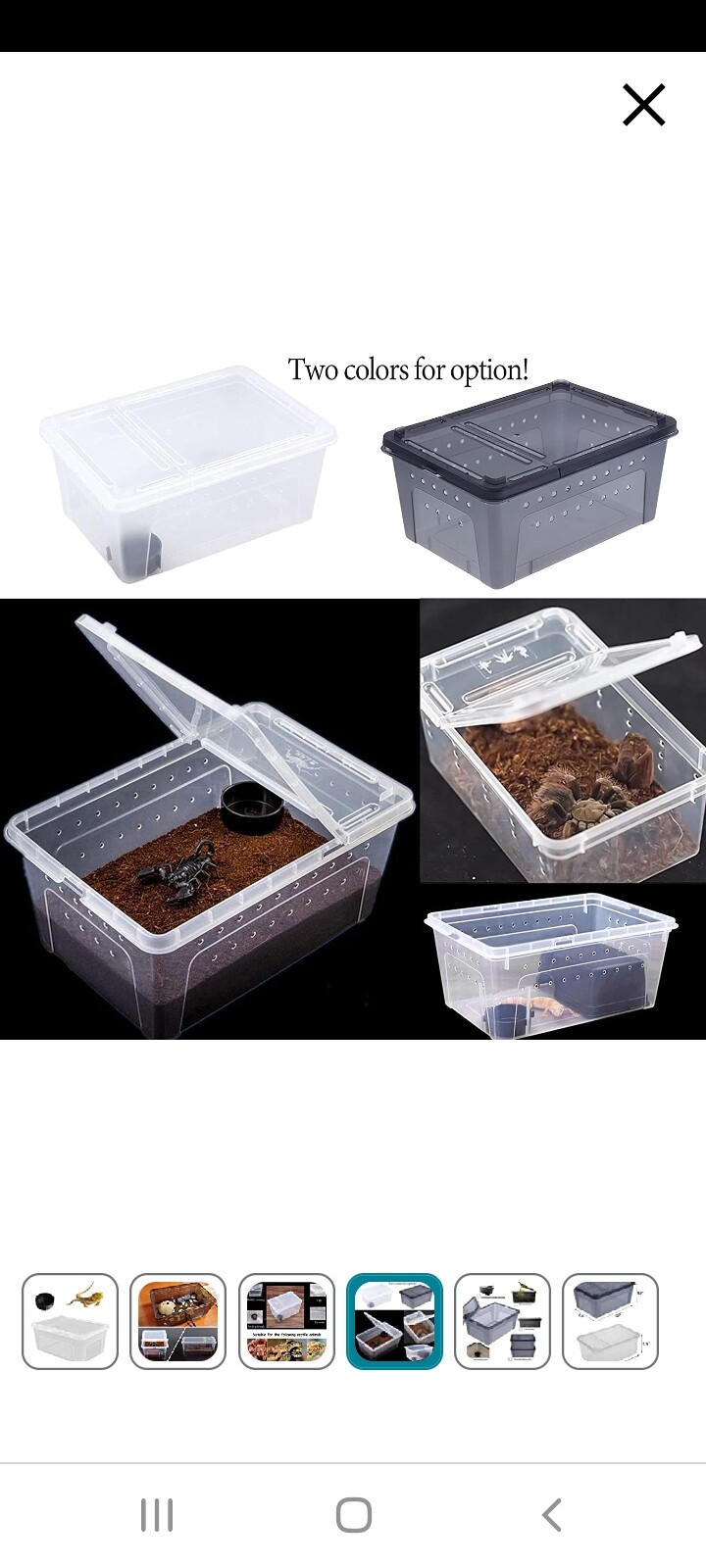
Use a simple, easy-to-clean enclosure with good ventilation and secure locks. Keep the space minimal: substrate that can be swapped or disinfected, a hide, a water bowl, and a heat source. This reptile quarantine guide stresses avoiding clutter so you can clean thoroughly and observe the animal closely.
- Enclosure type: plastic tub or glass terrarium that you can disinfect.
- Substrate: paper towels, newspaper, or reptile carpet for easy cleaning.
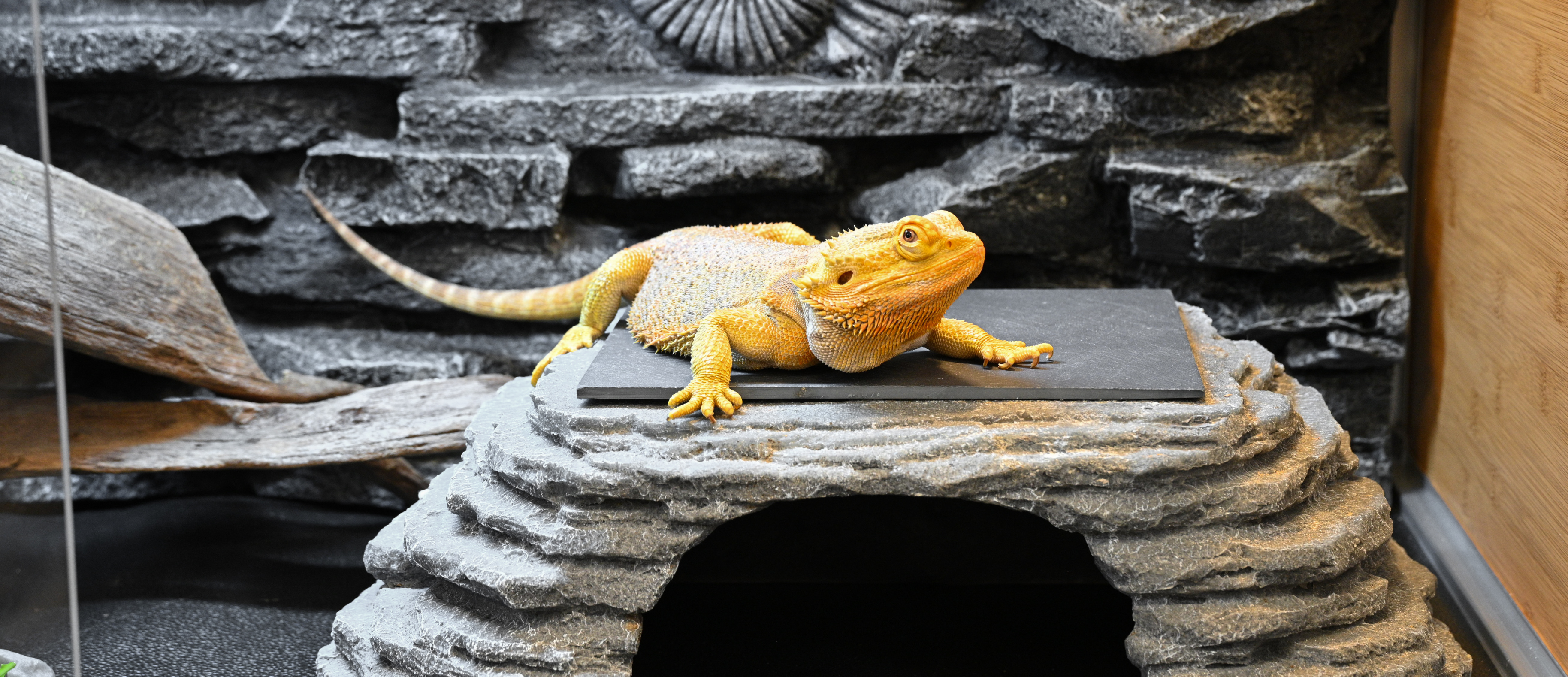
- Heating and lighting: repeat the animal’s normal gradient but avoid UV changes unless required.
 Source: zenhabitats.com
Daily care and monitoring during quarantine
Check your reptile at least once daily for appetite, shedding, stool quality, and activity. Keep a log with temperature, humidity, feeding, and observations to spot trends fast. This reptile quarantine guide recommends photos and short notes so subtle declines don’t get missed.
- Appetite: note refusal versus natural fasting periods.
- Stool: consistency, color, and parasites.
- Behavior: hiding more, lethargy, or unusual aggression are red flags.
 Source: amazon.com
What signs indicate a possible infection?
Runny nose, wheezing, swollen eyes, mites, weight loss, or abnormal feces can all signal disease. Seek vet advice if you see respiratory signs, persistent anorexia, or bloody stools.
Biosecurity and handling to prevent contamination
Use clear rules for anyone entering the quarantine area. Wear gloves, use disposable towels, and disinfect hands and tools between animals. This reptile quarantine guide advises separate cleaning equipment for quarantine enclosures to prevent cross-contamination.
- Clothing protocol: dedicated apron or clothes for the quarantine room.
- Equipment protocol: separate buckets, tongs, and feeding tools.
- Disinfection: use reptile-safe bleach solutions or approved disinfectants and follow contact times.
 Source: cbreptile.com
Vet care, testing, and record keeping
Schedule a vet exam when you first receive a new reptile. Collect fecal tests for parasites, consider bacterial cultures for respiratory disease, and plan repeat testing as needed. This reptile quarantine guide highlights the value of a baseline health record to compare future changes.
- Baseline tests: fecal flotation, tape prep for mites, and sometimes PCR for specific pathogens.
- When to treat: only after vet diagnosis; avoid blind antibiotic use.
- Records: keep dates, meds, weights, and test results in a dedicated file.
 Source: spah.la
Criteria for releasing a reptile from quarantine
Release only when the animal is eating normally, producing healthy stools, shedding normally, and is free of external parasites. Confirm any required test results are negative or treated and that no symptoms occurred for the final 14–30 days. This reptile quarantine guide recommends a final vet check for high-value or high-risk species.

Moving a reptile to its permanent enclosure
Prepare the permanent enclosure before release so there’s no delay. Clean and disinfect any shared tools, and move the animal at a calm time of day to reduce stress. Follow up with close observation for the first two weeks after integration, as late-onset issues sometimes appear. This reptile quarantine guide suggests introducing animals to the display room but not to other animals for a buffer period.
Personal experience: mistakes I made and lessons learned
I once moved a new corn snake into my collection after two weeks because it looked fine. A respiratory infection showed up later and spread to two other snakes. I learned to trust the checklist, not the first impression. Now I always keep clear records and wait the full recommended quarantine time. This reptile quarantine guide reflects those hard-earned changes in practice.
Supplies checklist for effective quarantine
- Paper towels or newspaper for easy substrate changes.
- Separate water bowl and hide that can be disinfected.
- Disposable gloves and a dedicated apron.
- Disinfectant suitable for reptiles and clear instructions on mixing.
- Thermometer and hygrometer to log conditions daily.
- Notebook or digital log for notes, weights, and photos.
This reptile quarantine guide encourages packing a veterinarian contact and shipping container details if you buy online.
Frequently Asked Questions of reptile quarantine guide
How long should I quarantine a rescued reptile?
Quarantine rescued reptiles for at least 60 to 90 days because rescue animals often have unknown histories and higher parasite risk. Monitor closely and get initial vet checks during that period.
Can I handle my reptile during quarantine?
Yes, but limit handling and always use gloves and hand disinfection to reduce disease spread and stress. Wash hands and tools between animals to maintain biosecurity.
What tests should I run during quarantine?
Start with fecal checks for parasites and mite inspections; add respiratory swabs or cultures for sick animals. Follow your vet’s recommendations for species-specific tests.
When can a reptile from quarantine join others?
Only after stable appetite, normal stools, and no symptoms for at least 14–30 days, and after any positive tests are treated and cleared. A final vet check is wise for high-value species.
Are home remedies enough during quarantine?
Home remedies risk masking symptoms or delaying proper treatment; use vet-approved treatments only. Always consult your veterinarian before starting medications or supplements.
Do I need separate lighting and heating for quarantine?
Yes, recreate the animal’s normal thermal gradient and lighting but keep things simple to allow easy cleaning. Avoid introducing new UV sources unless required and recommended.
How do I disinfect a quarantine enclosure safely?
Use reptile-safe disinfectants and follow contact times; rinse surfaces that will touch the reptile. Remove organic matter first, then apply disinfectant, and allow full drying before reuse.
Conclusion
Quarantine is the single best step you can take to protect your reptiles and your collection. Follow the steps in this reptile quarantine guide: isolate animals for an appropriate period, keep clean and simple enclosures, log daily observations, and work with a vet for testing and treatment. Start today by creating a basic quarantine setup, keep clear records, and pledge to follow the checklist every time you add a reptile. If you found this guide useful, leave a comment, subscribe for updates, or share your quarantine stories to help other keepers learn.
