
Egg binding in reptiles is when a female cannot pass her eggs, risking severe illness or death.
I have worked with reptiles for over a decade in clinics and breeding setups. I have treated many cases of reptile egg binding and helped owners prevent them. This guide explains what egg binding is, why it happens, how to recognize it, and what to do next. Read on to learn clear, practical steps that can save a reptile’s life and keep future clutches healthy.

What is reptile egg binding?
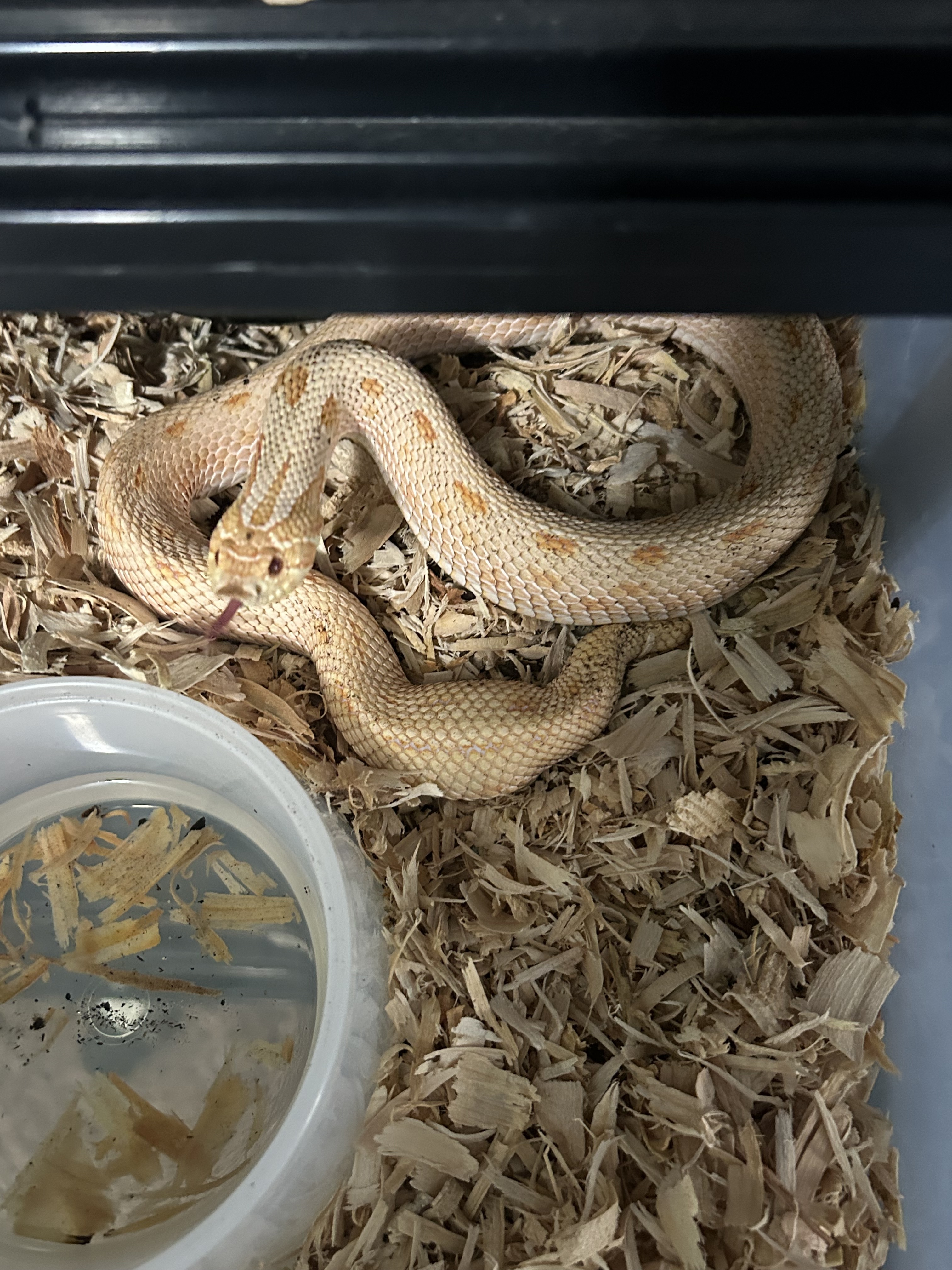
Reptile egg binding means a female keeps one or more eggs inside her body and cannot lay them. It is also called dystocia or retained eggs. The stuck egg can press on organs, cause infection, and block normal breathing or digestion. Reptile egg binding affects many species, including snakes, lizards, and turtles, though risk and signs vary by species.
Reptile egg binding is a medical emergency when an animal shows distress. Quick identification and the right treatment can be lifesaving for your pet.
Causes and risk factors
Many things lead to reptile egg binding. Causes fall into physical, nutritional, and environmental groups.
- Physical causes include large or misshapen eggs, pelvic deformities, and internal scar tissue.
- Nutritional causes include low calcium, vitamin D deficiency, or poor overall diet.
- Environmental causes include improper temperature, low humidity, and no suitable nesting site.
- Behavioral or age-related risks include first-time layers, overweight females, or animals stressed by handling.
- Underlying illness can also cause dystocia, such as tumors or infections.
Some reptiles show only mild risk factors until the egg gets stuck. Regular checks and good husbandry cut risk significantly.

Signs and symptoms
Watch for these common signs of reptile egg binding. Early spotting improves outcomes.
- Lethargy and loss of appetite.
- Swollen or visibly distended abdomen.
- Straining without producing eggs.
- Restlessness, pacing, or repeated digging at the enclosure.
- Labored breathing or open-mouth breathing in severe cases.
- Discharge that looks abnormal, foul, or bloody.
Symptoms may be subtle at first. If you see changes in behavior or appetite during the breeding season, act quickly.

How veterinarians diagnose reptile egg binding
A vet uses several steps to find retained eggs and the cause.
- Physical exam checks the abdomen and overall health.
- Imaging like X-rays or ultrasound confirms egg location, number, and shell quality.
- Blood tests check calcium levels, infection markers, and organ function.
- Sometimes manual examination under sedation clarifies the problem.
Diagnosis guides whether conservative care, assisted laying, or surgery is needed. Imaging is essential for a clear plan.

Treatment options for reptile egg binding
Treatment depends on the animal’s condition, egg size, and cause. Speed matters.
- Supportive care
- Warmth, fluids, and oxygen if breathing is labored.
- Pain relief and antibiotics if infection is suspected.
- Medical induction
- Hormones or drugs are sometimes used to stimulate egg laying in certain species.
- This works best when calcium and husbandry are corrected first.
- Manual or assisted oviposition
- Under sedation, a vet may gently manipulate eggs to encourage passage.
- This is suitable for accessible, non-calcified eggs.
- Surgical options
- Surgery is needed if eggs are broken, infected, or completely stuck.
- Procedures vary from egg removal to spaying in extreme or recurrent cases.
Each option has risks. Surgery can save a life but requires good aftercare. Follow your vet’s instructions closely.

Prevention and husbandry to avoid egg binding
Prevention is the best tool against reptile egg binding. Small changes help a lot.
- Provide correct temperatures for your species to support normal egg development.
- Maintain proper humidity and provide a nesting box with suitable substrate.
- Feed a balanced diet rich in calcium and vitamin D3 when needed.
- Ensure adequate UVB lighting for species that need it to metabolize calcium.
- Monitor weight and body condition; avoid overfeeding or underfeeding.
- Reduce stress during the breeding season; limit handling and maintain routine.
Good record keeping also helps. Note mating dates, egg-laying windows, and any past issues to spot trouble early.
When to call a vet — emergency signs
Call a vet right away if you see these red flags.
- Continuous straining with no eggs produced.
- Severe lethargy, collapse, or loss of righting reflex.
- Open-mouth breathing or severe labored breathing.
- Foul-smelling discharge or obvious infection.
- Visible broken eggs or blood at the vent.
Acting quickly improves the chance of a positive outcome.
Short PAA-style questions
What should I do while waiting to see a vet?
- Keep the reptile warm and quiet. Do not attempt home extraction. Avoid forcing anything into the cloaca.
Can calcium alone fix egg binding?
- Low calcium is a common contributor, but giving calcium alone often isn’t enough. Vet assessment and supportive care are usually needed.
How long can eggs be retained before it’s dangerous?
- Even a day or two of severe distress can be dangerous. The exact timing varies, but waiting is risky.
Personal experience and practical tips
I once treated a corn snake that became egg bound after her first clutch. She seemed fine at first. Then she stopped eating and started straining. We warmed her, gave fluids, and did X-rays. One egg was folded and blocking the rest. Manual release under sedation helped. She recovered after antibiotics and rest.
Lessons I learned:
- Early imaging prevents guesswork.
- Never try to pull an egg at home; this can break the shell and cause fatal infection.
- Good nesting options and nutrition prevent many cases.
- Keep a trusted exotic vet’s phone number handy during breeding season.
These tips come from years of hands-on cases and the hard lessons learned from close calls.
Frequently Asked Questions of reptile egg binding
What species get egg binding most often?
Egg binding can occur in many reptiles, but it is common in snakes and lizards kept in captivity. Species with large eggs or those new to breeding often face higher risk.
Can a retained egg be reabsorbed?
Sometimes small or early eggs may be reabsorbed, but this is not reliable and can cause infection. A vet should evaluate the reptile rather than assuming reabsorption.
Is egg binding preventable with better diet?
A balanced diet with adequate calcium and proper UVB lighting lowers the risk. Diet helps but does not eliminate all causes like deformities or stress.
Will surgery affect future breeding?
Surgery that removes eggs can be life-saving. Spaying ends future breeding. Some surgeries may preserve reproductive ability, depending on the case and species.
How long is recovery after treatment or surgery?
Recovery time varies. Conservative treatment may take days to weeks. Surgery often requires weeks of rest and monitoring. Follow-up with your vet is essential.
Can I give my reptile painkillers at home?
Do not give over-the-counter painkillers meant for people or other animals. Many medications are toxic to reptiles. Only give drugs prescribed by a reptile-savvy vet.
Conclusion
Reptile egg binding is a serious problem that needs fast recognition and veterinary care. With good husbandry, proper diet, and early vet contact, many cases resolve well. Use the prevention tips here, keep a close eye during breeding, and act at the first sign of trouble. If your reptile shows signs of egg binding, contact a qualified exotic animal vet immediately and follow their guidance. Share your experiences or questions in the comments, and consider subscribing to stay updated on reptile care tips.
