
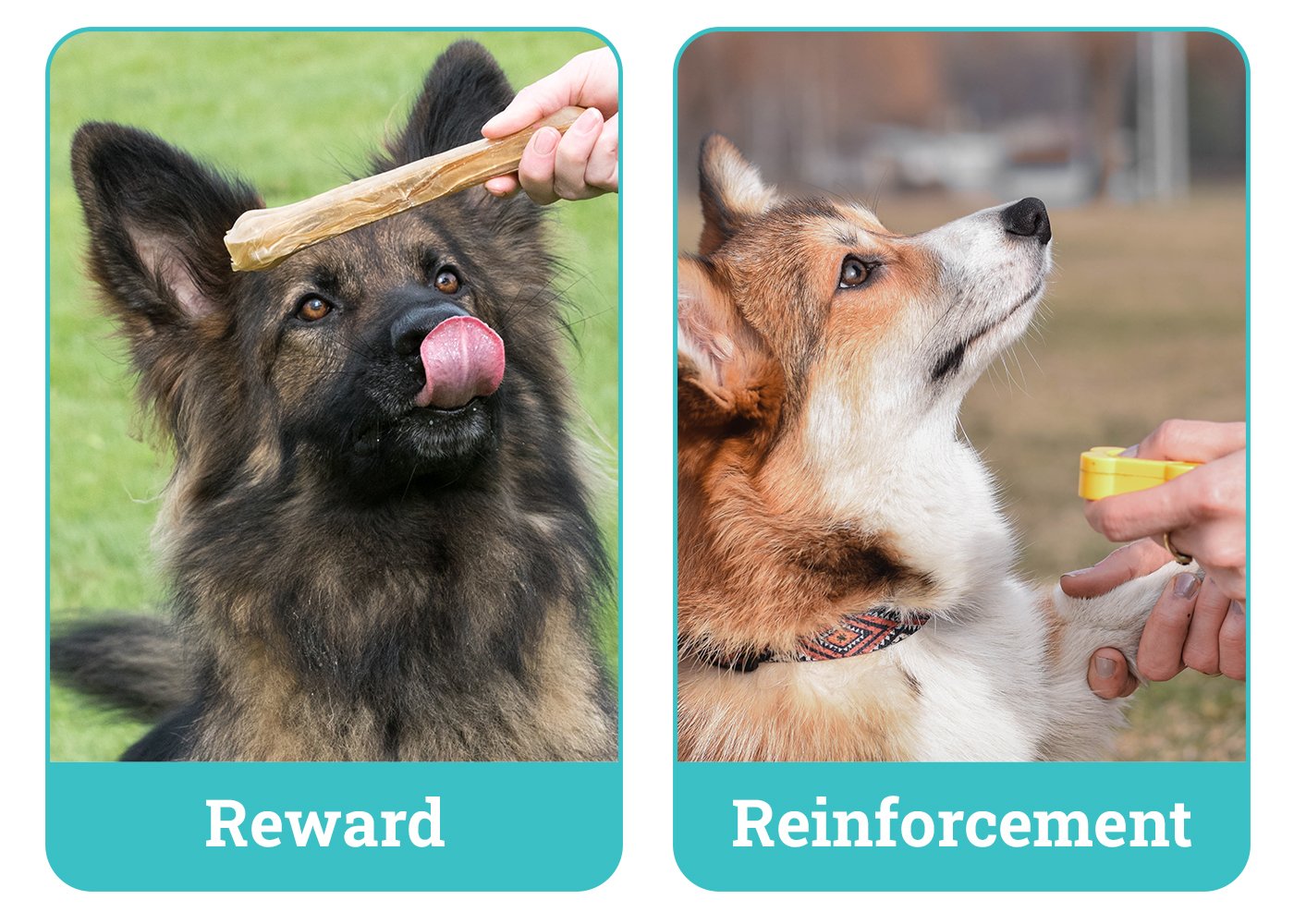
Dog reward learning is one of the most effective ways to teach dogs new skills and build trust. When a dog receives something valuable after a behavior, the dog learns that the action leads to a good result. This simple process helps dogs understand what owners expect without fear or confusion.
In my experience working with dog training concepts, the biggest mistake many owners make is rewarding too late or rewarding behaviors they do not want. Clear timing creates clear communication. Whether you have a new puppy in an American home or an older rescue dog, reward-based learning can make training easier and more enjoyable.
What Is Dog Reward Learning and How Does It Work?
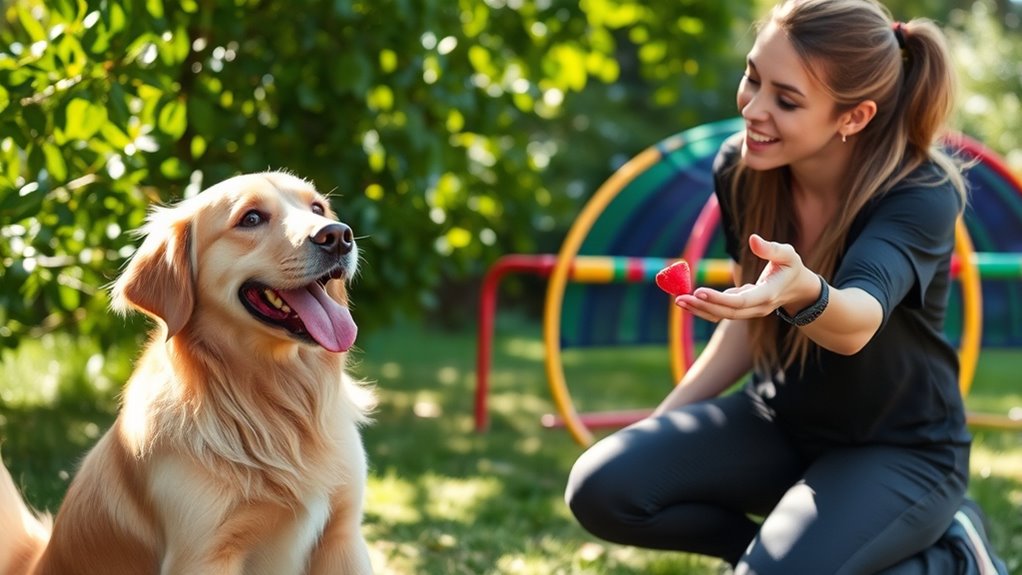
Dog reward learning is a training process based on the idea that dogs repeat behaviors that bring positive results. If a dog sits and receives a treat, the dog begins to understand that sitting can lead to a reward.
This learning process is connected to operant conditioning. Dogs make choices based on outcomes. When a behavior creates something enjoyable, that behavior becomes stronger over time.
Reward learning does not mean giving treats for everything forever. The goal is to create habits. Once a dog understands a behavior, rewards can become less frequent while praise and natural benefits continue.

- ✦ Behavior connection
Dogs learn by connecting an action with what happens immediately after that action.
- ✦ Positive outcome
A reward gives the dog a reason to repeat a useful behavior.
- ✦ Long-term habit
Consistent practice helps behaviors become reliable in daily life.
The Science Behind Reward Based Learning
Dogs learn through associations. Their brains notice patterns between actions and results. When a reward follows a behavior many times, the connection becomes stronger.
This is why immediate feedback matters. A dog may not understand a reward given several minutes after a behavior because the connection becomes unclear.
- ✦ Fast feedback
Reward the behavior within a short moment so the dog understands what caused the reward.
Why Dog Reward Learning Is Effective for Training
Many professional trainers use reward-based methods because they focus on communication instead of correction. Dogs are more likely to offer behaviors when they understand what earns a positive response.
Dog reward learning can help with basic obedience, puppy manners, behavior improvement, and advanced skills. It also helps strengthen the relationship between a dog and owner.
In busy U.S. households, training methods that fit daily routines are valuable. A short reward session during walks, meals, or playtime can create steady progress.

- ✦ Builds confidence
Dogs often become more willing to try new behaviors when learning feels safe and rewarding.
- ✦ Improves communication
Rewards show dogs exactly which actions owners want to encourage.
- ✦ Supports training goals
Rewards can help teach commands, manners, recall, and calm behavior.
Benefits for Puppies and Adult Dogs
Puppies benefit from reward learning because they are naturally exploring their environment. Rewards guide them toward good choices during important early development stages.
Adult dogs can also learn new behaviors. Age does not prevent learning when training uses clear steps and proper motivation.
- ✦ Puppy advantage
Early rewards help puppies create positive habits from the start.
Types of Rewards Used in Dog Reward Learning
A reward is anything a dog finds valuable. While treats are common, they are not the only option. Different dogs have different motivations.
Good trainers discover what each dog enjoys most. A food-loving dog may work well for small treats, while another dog may prefer a favorite toy or a game of fetch.

- ✦ Food rewards
Small treats are popular because they are easy to deliver and highly motivating for many dogs.
- ✦ Social rewards
Praise, petting, and attention can encourage behaviors when the dog values human interaction.
- ✦ Activity rewards
Play, walks, and access to favorite activities can also reinforce good behavior.
Choosing the Right Reward for Your Dog
The best reward is the one your dog wants at that moment. A treat that works inside the home may not be exciting enough during a busy outdoor walk.
Reward value can change depending on distractions, environment, and the difficulty of the behavior.
- ✦ Match motivation
Use rewards that fit your dog’s personality and training situation.
The Importance of Timing and Consistency in Dog Reward Learning
Timing is one of the most important parts of dog reward learning. A reward given at the correct moment helps a dog identify the exact behavior being reinforced.
Consistency also matters. If one family member rewards jumping while another discourages it, the dog receives mixed messages.
Simple training rules help everyone in the home create the same expectations.

- ✦ Reward quickly
Deliver the reward immediately after the desired behavior.
- ✦ Use clear cues
Keep commands simple and consistent during training sessions.
- ✦ Practice often
Short daily sessions usually work better than rare long sessions.
Common Timing Mistakes
Many owners accidentally reward unwanted behaviors. For example, giving attention when a dog jumps may teach the dog that jumping works.
Another mistake is waiting too long before rewarding. Dogs need clear feedback to understand the lesson.
- ✦ Avoid delayed rewards
Late rewards can create confusion about which behavior earned the reward.
Common Mistakes That Reduce Training Progress
Dog reward learning works best when rewards are planned. Random rewards without clear rules may slow progress and create confusion.
Owners should also avoid depending only on treats. Dogs need to learn that good behavior brings many types of rewards, including praise and enjoyable experiences.
- ✦ Rewarding the wrong behavior
Giving attention or treats after unwanted actions can strengthen those actions.
- ✦ Using rewards forever without fading
Gradually reduce treat dependence once the dog understands the behavior.
- ✦ Training when distracted
Start in quiet places before moving to harder environments.
How to Improve Your Training Approach
Break difficult behaviors into smaller steps. Reward progress instead of expecting perfection immediately.
A patient approach helps dogs stay motivated and prevents frustration for both the owner and the dog.
- ✦ Use small steps
Teach complex behaviors by rewarding smaller successful actions first.
