
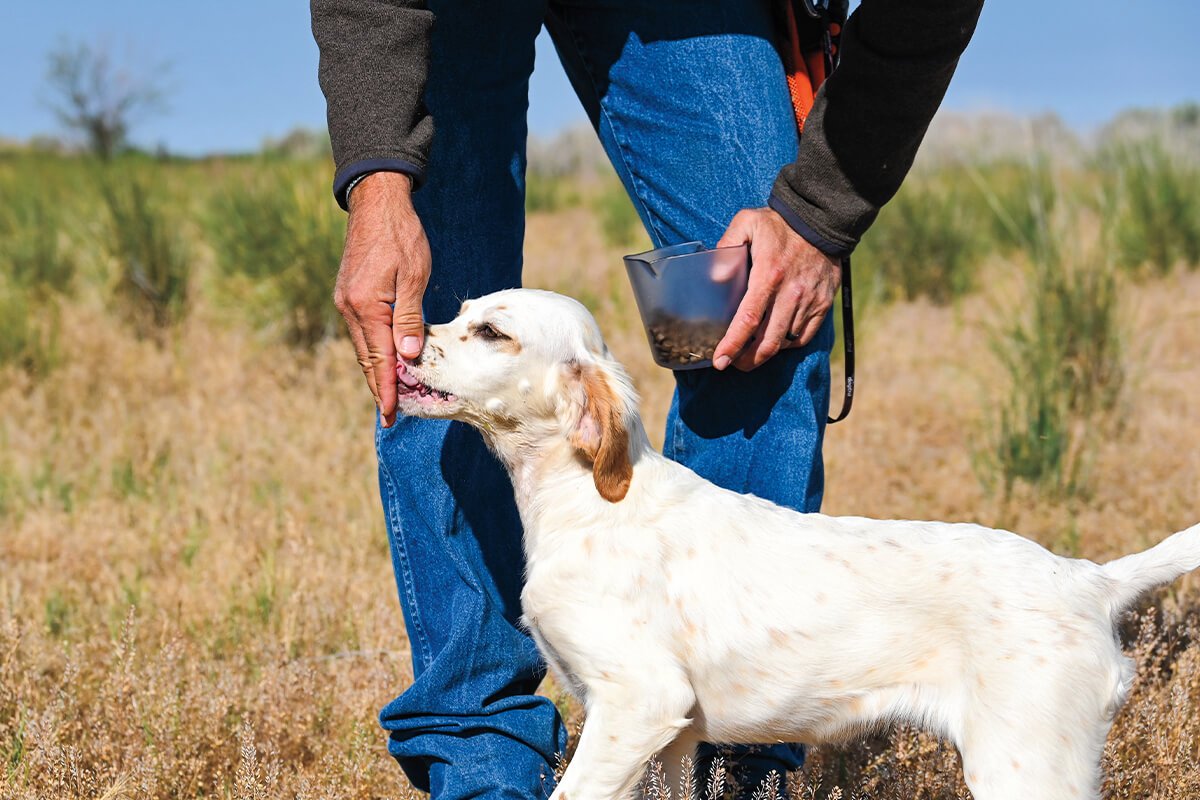
Dog marker training is one of the clearest ways to communicate with a dog. Instead of waiting until a behavior ends, you tell your dog the exact second they make the right choice. This makes learning easier and helps build trust between dogs and their owners.
Many professional trainers use markers with puppies, rescue dogs, and adult dogs because the method is simple and flexible. In my experience working with reward-based training methods, dogs often learn faster when they understand exactly which action earned praise or a treat.

What Is Dog Marker Training?
Dog marker training is a training method where you use a specific sound, word, or signal to mark a correct behavior. The marker tells your dog, “Yes, that is what I wanted,” before you give a reward.
The marker itself is not the reward. It is a communication tool that bridges the time between the correct action and the reward. This helps dogs connect their behavior with a positive result.

- ✦ Clear communication
A marker removes confusion because your dog learns which action earned praise.
- ✦ Better timing
The marker allows you to reward behaviors at the exact moment they happen.
- ✦ Positive learning
Dogs become more willing to try new behaviors when training feels rewarding.
How Markers Work in Dog Learning
Dogs learn through associations. When a marker is followed by a reward many times, the dog begins to understand that the sound predicts something good.
For example, if you say “Yes” when your dog sits and then give a treat, your dog learns that sitting creates a positive outcome.
- ✦ Marker
A sound or word that identifies the correct behavior.
- ✦ Reward
A treat, toy, praise, or another reward the dog enjoys.
Types of Markers Used in Dog Training
There are different types of markers in dog training. The best choice depends on your goals, your dog’s personality, and your daily routine.
A good marker should be easy to repeat, clear for your dog, and used consistently by everyone who trains the dog.

- ✦ Verbal markers
Words like Yes, Good, or Correct can work as simple training signals.
- ✦ Clicker markers
A clicker creates a unique sound that stays consistent every time.
- ✦ Visual markers
Hand signals or body cues can help dogs that respond well to visual information.
Choosing Between a Clicker and a Verbal Marker
A clicker has the benefit of creating the same sound every time. Your voice can change with mood, stress, or excitement.
A verbal marker is often easier for daily life because you always have your voice with you. Many pet owners in the U.S. prefer verbal markers for casual training at home and outdoors.
- ✦ Clicker benefit
Provides a sharp and consistent signal.
- ✦ Voice benefit
Allows easy training without extra equipment.
Benefits of Dog Marker Training
Dog marker training gives owners a simple way to teach behaviors without causing fear or confusion. It focuses on rewarding the choices you want your dog to repeat.
This approach can improve obedience, confidence, and problem-solving skills. Dogs often become more engaged because they understand the training game.

- ✦ Improves obedience
Dogs learn commands with clearer feedback and better timing.
- ✦ Builds confidence
Rewards encourage dogs to try instead of avoiding mistakes.
- ✦ Strengthens the bond
Positive communication creates trust between owner and dog.
Why Timing Matters So Much
Dogs do not think about behavior the same way humans do. They connect rewards with what happens immediately before them.
A delayed reward may confuse a dog. The marker solves this problem by capturing the exact moment of success.
- ✦ Fast feedback
The dog understands which action should be repeated.
How to Start Dog Marker Training Step by Step
Starting dog marker training is simple, but consistency matters. Begin in a quiet area where your dog can focus without too many distractions.
The first goal is to teach your dog that the marker predicts a reward. This process is often called charging the marker.

- ✦ Step 1: Choose your marker
Pick a clicker or a short word like Yes.
- ✦ Step 2: Pair the marker with rewards
Say the marker and immediately give a treat several times.
- ✦ Step 3: Mark behaviors
Use the marker when your dog performs the action you want.
Common Beginner Exercises
Simple behaviors like looking at you, sitting, touching your hand, and staying calm are good starting points.
Short sessions of a few minutes are usually better than long sessions that make dogs tired or frustrated.
- ✦ Name recognition
Mark when your dog looks at you after hearing their name.
- ✦ Sit training
Mark the moment your dog’s bottom touches the floor.
Common Mistakes in Dog Marker Training
Even though dog marker training is simple, mistakes can slow progress. Most problems come from poor timing or inconsistent rewards.
Understanding these mistakes helps owners create a smoother learning process for their dogs.

- ✦ Marking too late
A delayed marker may reward the wrong behavior.
- ✦ Changing the marker
Using different words can make the signal less clear.
- ✦ Skipping rewards too early
Dogs need repeated reinforcement before behaviors become reliable.
How to Improve Your Training Sessions
Train when your dog is focused and use rewards that your dog values. Some dogs work best for treats, while others prefer toys or praise.
Keep notes about progress. Small improvements each day often create strong long-term results.
- ✦ Stay consistent
Use the same marker and reward pattern every session.
