
Many dog owners in the United States struggle with leash pulling during daily walks. A strong dog can turn a simple neighborhood walk into a stressful event. Dog loose leash walking changes this by teaching your dog that staying near you brings rewards.
After working with dogs, one lesson becomes clear: pulling is not a sign of a bad dog. It is often a learned habit. With patience, clear steps, and regular practice, most dogs can learn better leash manners.
What Is Dog Loose Leash Walking?
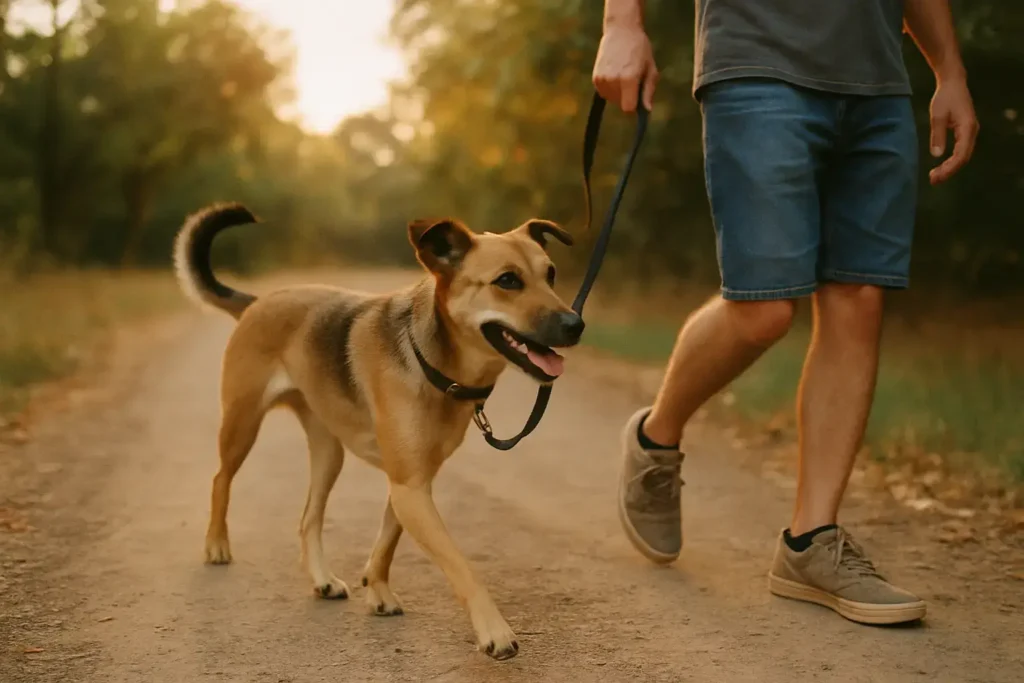
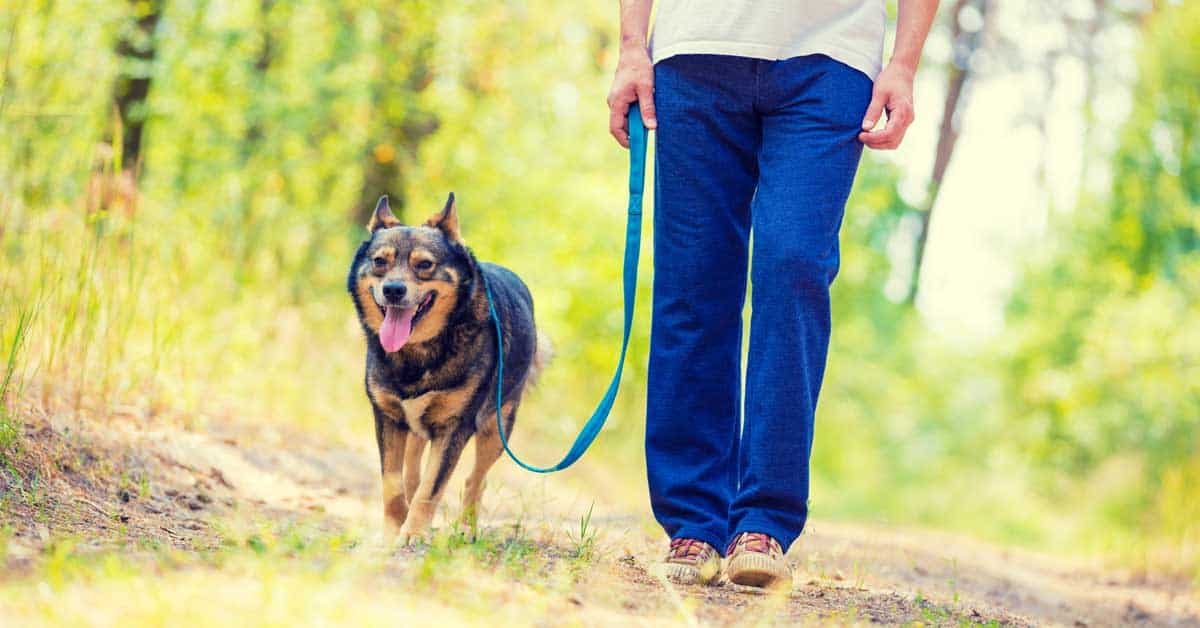
Dog loose leash walking means your dog walks with a relaxed leash while staying close to you. The leash should have a natural curve instead of being tight from constant pulling.
This skill does not require your dog to walk in a perfect military-style heel. Loose leash walking gives your dog freedom to sniff and explore while still keeping good manners.
A calm walk improves safety for both the dog and the owner. It also creates better communication and trust between you and your pet.
- ✦ Relaxed leash
The leash stays loose instead of becoming tight when your dog moves forward.
- ✦ Better focus
Your dog learns to check in with you instead of ignoring your signals.
- ✦ Calmer behavior
Your dog learns that calm walking earns rewards and attention.
Loose Leash Walking vs Heel Training
Heel training usually asks a dog to stay in a very specific position beside the handler. Dog loose leash walking is more flexible and works better for normal daily walks.
For most family dogs, loose leash walking is the practical goal. It allows natural movement while preventing unsafe pulling.
- ✦ Daily walks
Loose leash walking fits normal walks around neighborhoods, parks, and sidewalks.
Why Dogs Pull on the Leash
Dogs pull because moving forward often works. When a dog pulls and reaches a smell, person, or interesting object, the dog learns that pulling gets results.
Excitement is another common reason. Young dogs especially may struggle because the outside world has many sights, sounds, and smells.
Understanding the reason behind pulling helps you choose the right training method instead of only correcting the behavior.

- ✦ Natural exploration
Dogs use their nose to collect information, so they often want to move toward new smells.
- ✦ Lack of training
Dogs do not automatically understand leash rules without guidance.
- ✦ High excitement
Triggers like other dogs or people can make calm walking harder.
Common Signs Your Dog Needs Leash Training
A dog that constantly reaches the end of the leash, walks ahead with tension, or ignores your direction may need more leash practice.
Small improvements matter. Even a few seconds of calm walking should be rewarded because those moments build new habits.
- ✦ Constant pulling
Your dog keeps the leash tight throughout most of the walk.
How to Start Dog Loose Leash Walking Training
Successful dog loose leash walking begins in a quiet place. Start inside your home or in a calm yard before expecting your dog to behave around distractions.
Use small treats, praise, or a favorite toy to reward your dog when the leash stays loose. Rewards help your dog understand what behavior you want.
Short training sessions work better than long sessions. Five to ten minutes of focused practice can create steady progress.

- ✦ Choose the right equipment
Use a comfortable leash and properly fitted collar or harness that allows safe movement.
- ✦ Reward the right moments
Give rewards when your dog walks beside you or checks in with you.
- ✦ Increase distractions slowly
Move from quiet areas to busier places as your dog improves.
The Stop and Reset Method
When your dog pulls, stop moving. Wait until the leash becomes loose, then continue walking. This teaches that pulling does not create forward movement.
The goal is not to punish your dog. The goal is to show your dog which behavior makes the walk continue.
- ✦ Stay consistent
Everyone who walks the dog should follow the same rule.
Best Training Techniques for Loose Leash Walking
Different dogs learn at different speeds. Some respond quickly to food rewards, while others prefer praise, play, or access to something they enjoy.
Positive reinforcement is widely used because it helps dogs understand and repeat behaviors that bring good results.
- ✦ Clicker training
A clicker can mark the exact moment your dog performs the desired behavior.
- ✦ Change direction
Turning away from distractions teaches your dog to follow your movement.
- ✦ Reward check-ins
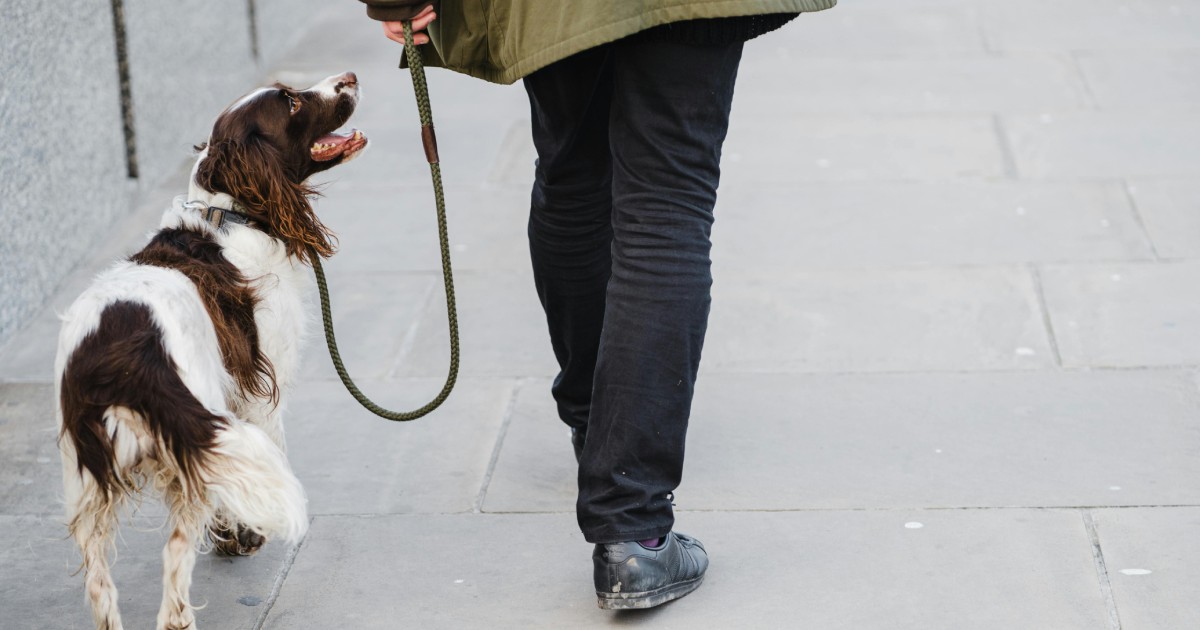
Reward your dog whenever they look back or choose to stay near you.
Using Treats Correctly
Treats should guide learning, not become a permanent requirement. Slowly reduce treats as your dog understands the skill.
Choose small treats that your dog can eat quickly during training walks.
- ✦ Timing matters
Reward your dog immediately after the correct behavior.
Common Mistakes During Leash Training
Many owners accidentally reward pulling by moving forward whenever the dog reaches the end of the leash. Dogs quickly repeat behaviors that work.
Training also fails when owners expect instant results. Building leash manners takes repetition and patience.

- ✦ Using only corrections
Corrections without teaching the desired behavior can confuse your dog.
- ✦ Training only outside
Busy environments can overwhelm dogs that have not learned basic skills first.
- ✦ Inconsistent rules
Mixed signals make it harder for dogs to understand expectations.
How Long Does Training Take?
The timeline depends on your dog’s age, history, energy level, and consistency of practice.
Daily practice creates better results than occasional long training sessions.
- ✦ Practice regularly
Small daily sessions help create reliable habits.
Benefits of Teaching Loose Leash Walking
Dog loose leash walking creates a better experience for both dogs and humans. Walks become more enjoyable when you are not constantly fighting against the leash.
Good leash skills also improve safety. A dog that listens during walks is easier to manage around traffic, people, and other animals.

- ✦ Safer walks
Better leash control reduces the risk of sudden pulling or dangerous movements.
- ✦ Stronger bond
Training builds trust and communication between you and your dog.
- ✦ More exercise
Calmer walks encourage regular outdoor activity.
