
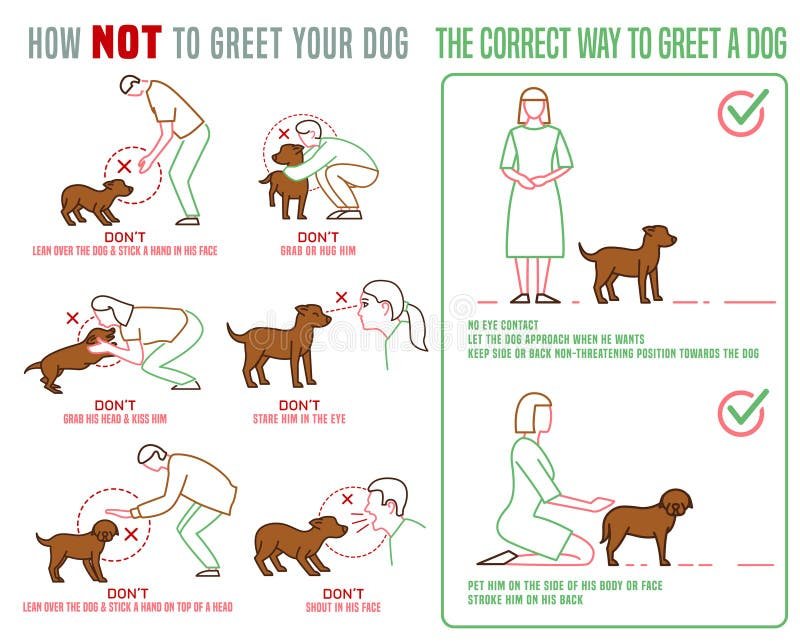
Good dog greeting manners create better daily experiences for dogs and their owners. In my work studying dog behavior, I have seen that many greeting problems come from excitement, not bad intentions. Dogs often jump, bark, or pull because they have not learned another way to say hello.
In American homes, dogs meet many new people during walks, visits, trips to parks, and family events. Teaching polite greetings helps dogs feel confident while helping guests feel safe. The goal is not to stop friendly behavior but to guide it into a calm habit.
What Are Dog Greeting Manners and Why Do They Matter?
Dog greeting manners are the skills that help a dog meet people and animals in a controlled and friendly way. These skills include waiting, approaching calmly, keeping paws on the floor, and responding to simple cues.
A dog with strong greeting manners is easier to handle in daily life. Calm greetings reduce stress for the dog, the owner, and visitors. They also help prevent uncomfortable situations during walks or social events.
- ✦ Better safety
Polite greetings lower the chance of accidental scratches, knocked-over children, or stressful interactions.
- ✦ Improved confidence
Dogs learn that calm behavior brings rewards and positive attention.
- ✦ Stronger communication
Owners and dogs understand each other better through consistent training.
The difference between excitement and poor manners
Many dogs act wildly during greetings because they feel happy and overwhelmed. Dog greeting manners teach them how to control that excitement instead of removing their natural friendliness.
How Dogs Naturally Communicate During Greetings
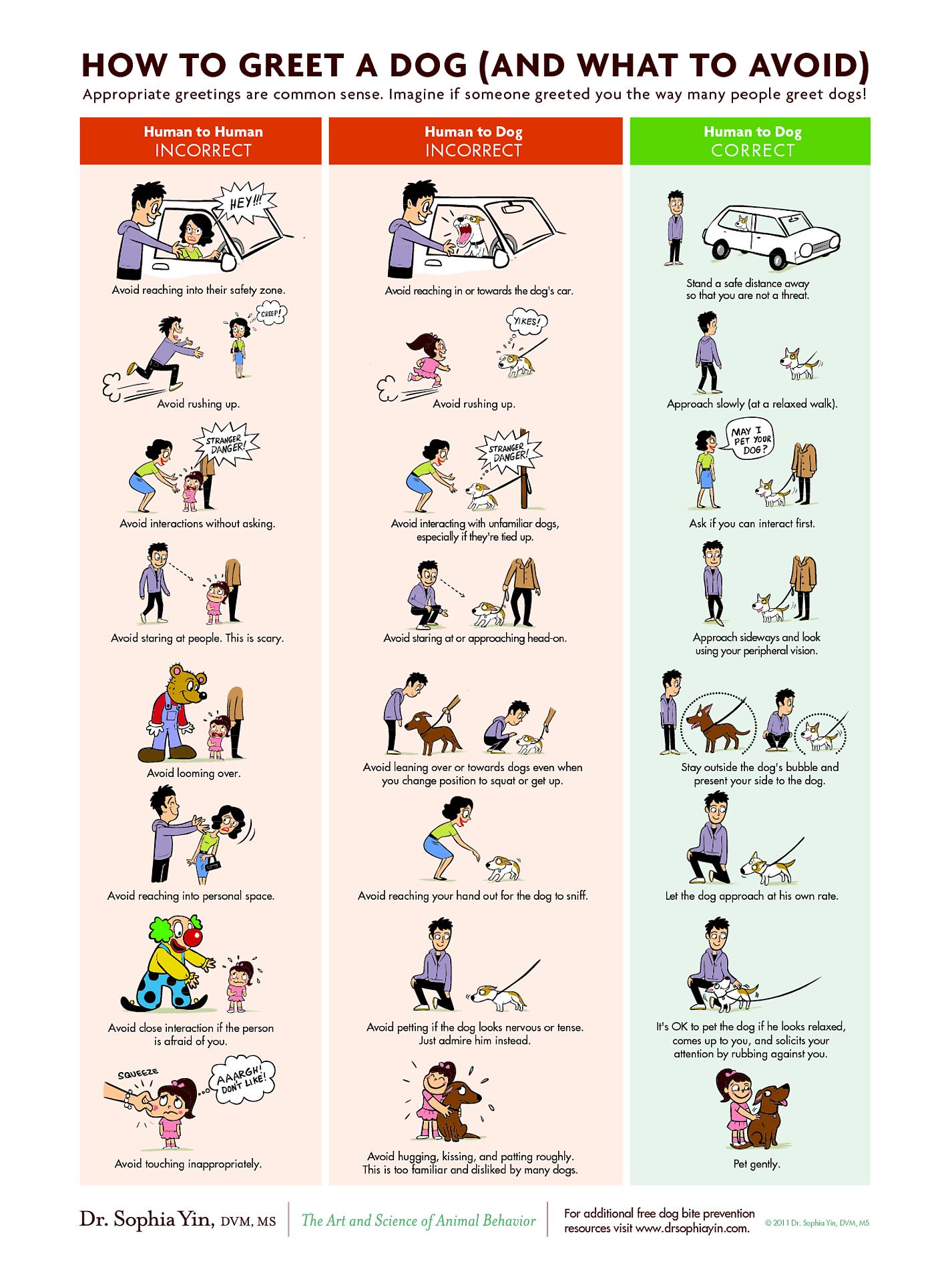
Dogs use body language before they interact. They notice posture, movement, smell, and facial signals. Learning these signs helps owners understand when a dog feels comfortable or unsure.
A relaxed dog may have a loose body, soft eyes, and gentle movements. A nervous dog may turn away, freeze, lick lips, or avoid contact. Good dog greeting manners respect these signals.

- ✦ Relaxed signals
A loose tail, relaxed face, and smooth movement often show comfort.
- ✦ Stress signals
Turning away, hiding, or stiff posture can mean a dog needs more space.
Why forced greetings can create problems
Not every dog wants to meet every person or animal. Allowing choice builds trust and prevents fear-based reactions.
How to Teach Proper Dog Greeting Manners Step by Step
Training dog greeting manners starts with simple practice at home. Short sessions work better than long sessions because dogs learn faster when they stay focused.
Use rewards such as treats, praise, or toys when your dog chooses calm behavior. Over time, your dog will understand that polite greetings lead to good outcomes.

- ✦ Teach a sit cue
Ask your dog to sit before saying hello. Reward the calm position.
- ✦ Practice with controlled visitors
Invite calm guests and repeat the greeting routine.
- ✦ Reward four paws on the floor
Give attention when your dog stays grounded instead of jumping.
Use positive reinforcement
Positive reinforcement means rewarding the behavior you want to see again. It creates a clear connection between calm greetings and rewards.
Common Dog Greeting Mistakes Owners Should Avoid
Many owners accidentally reward unwanted greeting habits. For example, giving attention while a dog jumps can teach the dog that jumping works.
Changing the response pattern is key. Everyone in the home should follow the same rules so the dog receives a clear message.

- ✦ Avoid encouraging jumping
Wait until the dog is calm before giving attention.
- ✦ Avoid rushing introductions
Give dogs time to observe new people or animals.
- ✦ Avoid ignoring warning signs
Respect signals that show discomfort or fear.
Why consistency matters
Dogs learn through repetition. Mixed signals can slow progress because the dog does not know which behavior earns rewards.
Dog Greeting Manners for Meeting Other Dogs
Dog-to-dog greetings require patience and space. Dogs often learn about each other through smell, movement, and careful observation before direct contact.
A calm introduction usually happens with loose leashes, enough room, and supervision. Rushing two unfamiliar dogs together can create tension.

- ✦ Allow natural sniffing
Sniffing helps dogs gather information and communicate.
- ✦ Watch body language
Separate dogs if either animal shows stress or discomfort.
Leash greetings in public places
During walks, not every dog needs to say hello. Teaching your dog to check in with you creates safer public behavior.
How to Help Puppies Develop Good Greeting Habits
Puppy training is the best time to build strong dog greeting manners. Young dogs are naturally curious, so gentle exposure to different people and places can shape future behavior.
Puppies need positive experiences, not overwhelming situations. Slow introductions help them become friendly and confident adults.

- ✦ Start early
Practice calm greetings during puppyhood with safe people.
- ✦ Keep sessions short
Short training moments prevent frustration and tiredness.
