
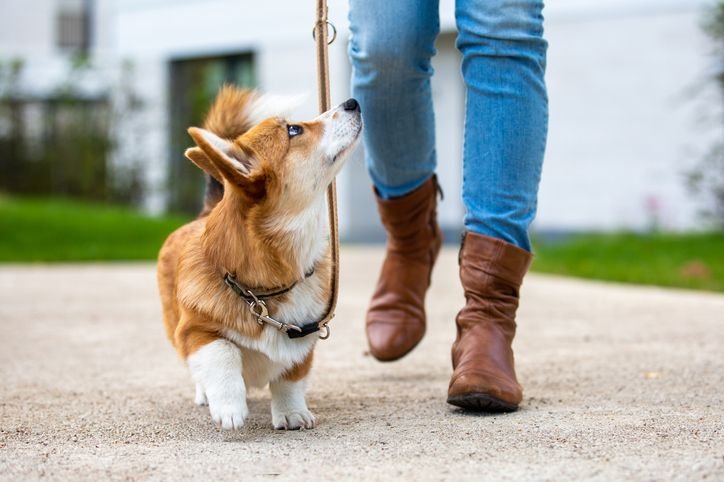
Walking your dog should be a relaxing part of your daily routine, not a battle of strength. Many owners in the United States struggle with dogs that pull toward people, chase distractions, or ignore leash cues. The good news is that proper dog leash manners can be learned with patience and clear communication.
After working with dogs and helping owners improve everyday walking habits, one lesson stands out: dogs do not naturally understand how to walk politely on a leash. They need guidance, rewards, and practice. A calm walk begins with teaching your dog what behavior earns attention and praise.

What Are Dog Leash Manners and Why Do They Matter?
Dog leash manners are the skills that help a dog behave politely while walking on a leash. These skills include walking near the handler, keeping a loose leash, responding to cues, and staying calm around distractions.
Good leash behavior creates safer and more enjoyable walks. In busy American neighborhoods, dogs often meet cyclists, children, other pets, and loud vehicles. A dog with strong leash manners can handle these situations with less stress.
- ✦ Better control
A trained dog is easier to guide during walks, vet visits, and public outings.
- ✦ Reduced pulling
Loose leash habits prevent uncomfortable pulling and reduce strain on both the dog and owner.
- ✦ Improved confidence
Dogs learn what to expect, which can make walks calmer and more predictable.
The Difference Between Walking and Proper Leash Walking
A dog that simply moves forward on a leash is not always practicing good manners. Proper leash walking means the dog understands boundaries and stays connected with the person holding the leash.
- ✦ Loose leash walking
The leash stays relaxed instead of tight because the dog is not constantly pulling ahead.
Common Leash Problems Dogs Have During Walks
Most leash problems come from excitement, lack of training, or habits that were accidentally rewarded. A dog that pulls may believe moving forward is the fastest way to reach something interesting.
Understanding the reason behind the behavior makes training easier. Instead of correcting the dog without direction, owners can teach a better choice.
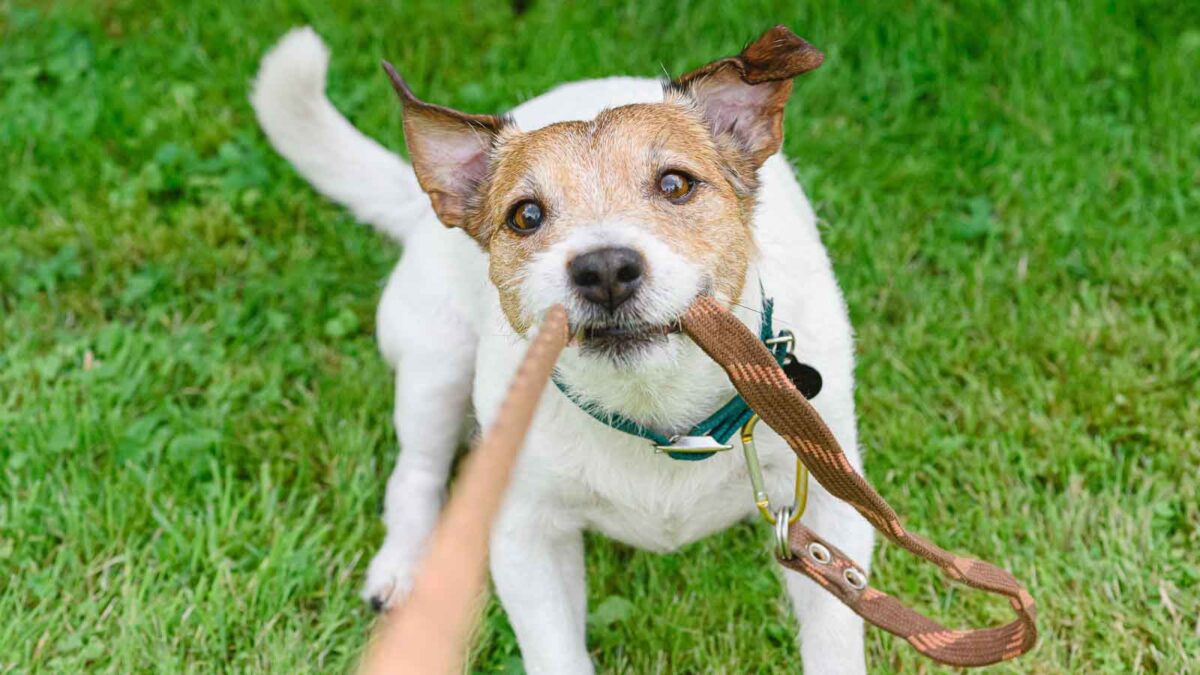
- ✦ Pulling ahead
Dogs often pull because they want to explore smells, people, or other animals.
- ✦ Leash barking
Some dogs bark or lunge because they feel nervous, frustrated, or overly excited.
- ✦ Ignoring the handler
Dogs may lose focus when the environment becomes more interesting than the person.
Why Dogs Pull on Leashes
Dogs naturally move faster than humans and use their noses to explore the world. Without training, they may learn that pulling works because it gets them closer to what they want.
- ✦ Reward history
If pulling has worked before, the dog may continue the behavior.
How to Teach Dog Leash Manners Step by Step
Teaching dog leash manners works best when training starts in a quiet area. Begin with simple exercises before expecting your dog to behave well in crowded places.
Reward-based training helps dogs understand exactly what behavior you want. Small treats, praise, and calm encouragement can make learning easier.

- ✦ Start indoors
Practice leash skills inside your home or yard before moving to busy outdoor areas.
- ✦ Reward attention
Give rewards when your dog looks at you or walks beside you.
- ✦ Stop pulling practice
Pause or change direction when the leash becomes tight so pulling does not lead to progress.
Teach Your Dog to Check In With You
A dog that regularly looks at the handler is easier to guide. Practice rewarding eye contact and calm behavior during short training sessions.
- ✦ Use a marker word
A simple word like yes can help your dog understand when they perform the correct action.
Choosing the Right Leash and Equipment for Better Manners
The right equipment can support leash training, but tools alone do not create good behavior. Training teaches the dog how to respond, while equipment helps make the process safer.
For most dogs, a standard leash, comfortable collar or harness, and high-value treats are enough to begin building strong dog leash manners.

- ✦ Standard leash
A regular leash gives better control during training than very long retractable leashes.
- ✦ Comfortable harness
A properly fitted harness may help some dogs feel more comfortable while learning.
Avoid Equipment That Creates More Problems
Some equipment can stop pulling temporarily without teaching the dog a new habit. Long-term success comes from training and consistent practice.
- ✦ Focus on learning
Use equipment as a support tool, not as a replacement for training.
How to Handle Distractions During Leash Training
Distractions are one of the biggest challenges when building dog leash manners. A dog that walks well at home may struggle when seeing squirrels, other dogs, or unfamiliar people.
The goal is not to remove every distraction. Instead, teach your dog that staying connected with you brings better rewards.

- ✦ Increase distance
Move farther away from distractions until your dog can stay calm.
- ✦ Practice often
Short daily sessions are usually more effective than rare long sessions.
Helping Reactive Dogs Walk Better
Dogs that bark or lunge may need slower training. Focus on calm responses instead of forcing close contact with triggers.
- ✦ Reward calm behavior
Praise your dog when they notice a distraction but remain relaxed.
Mistakes That Slow Down Dog Leash Manners Training
Many owners accidentally reward unwanted behavior without realizing it. For example, allowing a pulling dog to reach another dog can teach that pulling gets results.
Avoiding common mistakes helps your dog learn faster and keeps training positive.

- ✦ Training only during walks
Practice leash skills at home and in quiet areas before expecting perfect outdoor behavior.
- ✦ Using inconsistent rules
Dogs learn better when everyone in the home follows the same expectations.
- ✦ Expecting instant results
Leash habits develop through repeated practice over time.
