
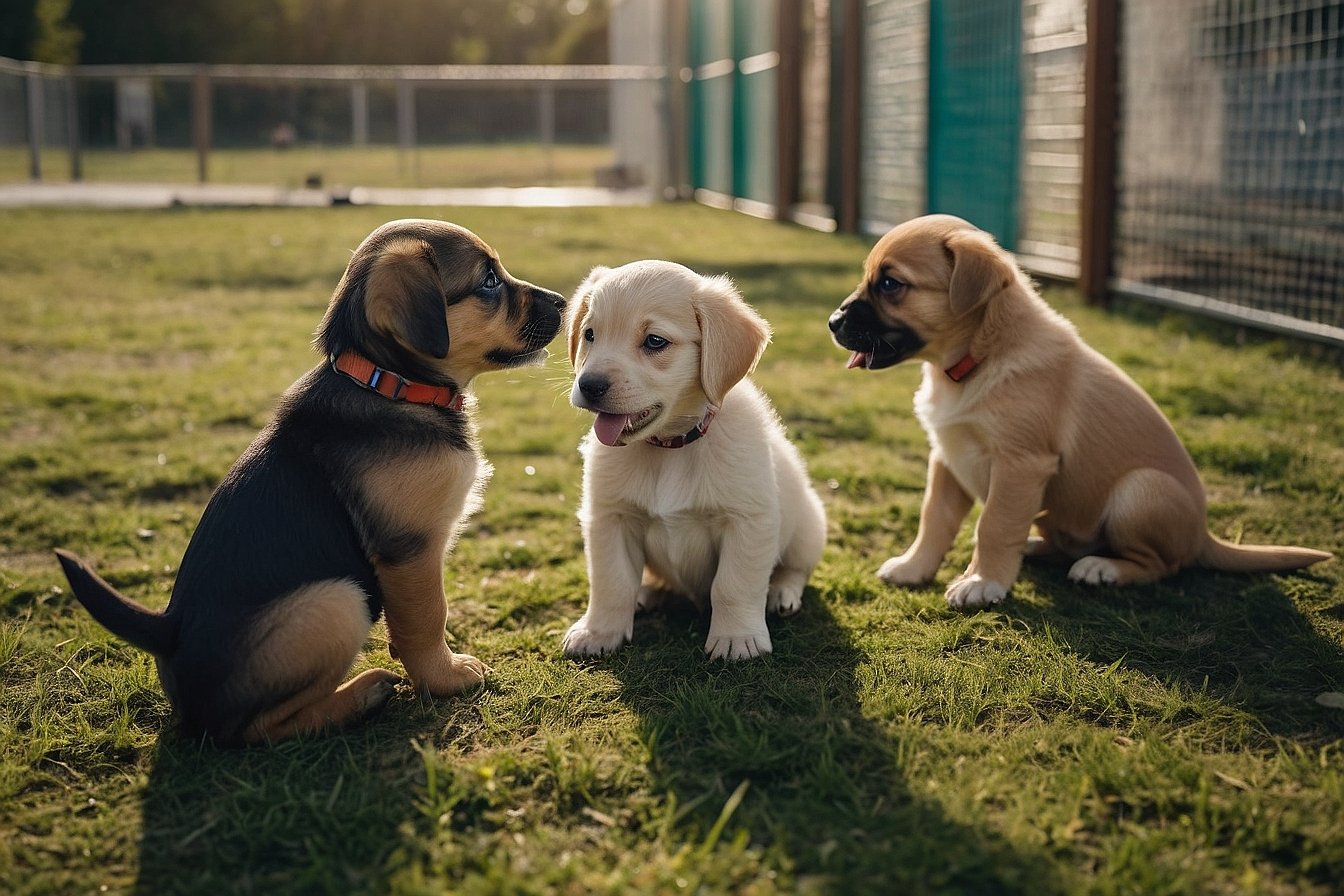
A well-socialized puppy is not simply a puppy that meets many dogs. True dog puppy socialization means helping a young dog build positive feelings about the world around them. This includes people, household sounds, car rides, surfaces, handling, and everyday situations.
From my experience studying puppy behavior and training methods, I have seen that calm and positive introductions often shape a dog’s future personality. Puppies that learn early that new things are safe usually become easier to train and more comfortable in daily life.

What Is Dog Puppy Socialization?
Dog puppy socialization is the process of introducing a puppy to different experiences in a safe and positive way. The goal is not to force interaction but to help the puppy learn that new things can be normal and enjoyable.
A puppy’s brain develops quickly during early life. Each positive experience can build confidence, while stressful experiences may create fear if handled poorly.

- ✦ People
Puppies should calmly meet different types of people, including adults, children, and people wearing different clothing.
- ✦ Places
New locations like parks, streets, pet-friendly stores, and veterinary clinics help puppies adjust to different environments.
- ✦ Sounds and Objects
Everyday sounds such as vacuum cleaners, traffic, doorbells, and household noises should become familiar.
Why Socialization Is Different From Training
Training teaches behaviors like sit, stay, and come. Socialization teaches emotional responses and helps puppies understand how to react to the world.
A puppy may know commands but still feel nervous around strangers or new places without proper social experiences.
The Best Time to Start Dog Puppy Socialization
The ideal time for dog puppy socialization starts during early puppy development, especially between about three and sixteen weeks of age. This period is often called the critical socialization window.
During this stage, puppies are naturally curious and often learn quickly. However, socialization should continue after this period because dogs keep learning throughout their lives.

- ✦ Birth to Three Weeks
Puppies mainly learn from their mother and littermates through touch, warmth, and early communication.
- ✦ Three to Sixteen Weeks
This is the key period for gentle exposure to new people, animals, sounds, and environments.
- ✦ After Sixteen Weeks
Continue introducing new experiences to maintain confidence and prevent fear.
How to Socialize a Puppy Safely
Safe dog puppy socialization focuses on quality instead of quantity. A puppy does not need hundreds of random encounters. They need calm and positive experiences that build trust.
Always watch your puppy’s body language. Signs like hiding, shaking, freezing, or avoiding eye contact may mean the experience is too stressful.
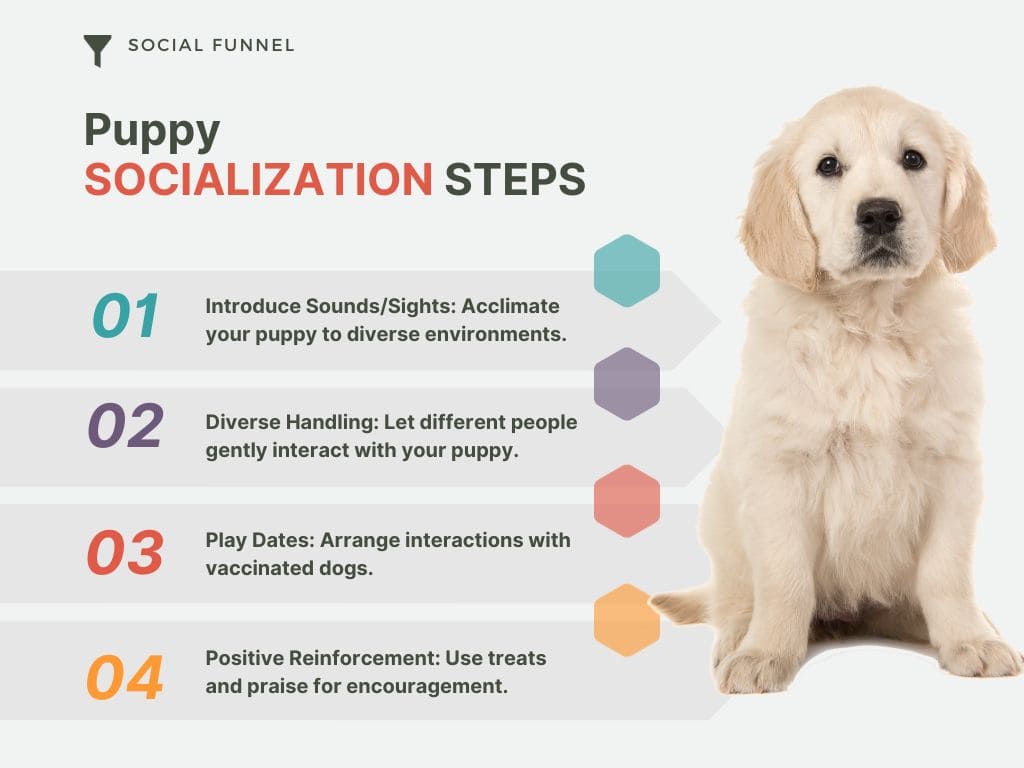
- ✦ Use Positive Rewards
Give treats, praise, or playtime when your puppy stays calm around new experiences.
- ✦ Move at Your Puppy’s Speed
Allow your puppy to observe and approach new things instead of forcing interaction.
- ✦ Create Short Sessions
Short positive experiences are often better than long sessions that create stress.
Examples of Safe Puppy Socialization Activities
You can introduce your puppy to different floor surfaces, car trips, friendly visitors, gentle handling, and basic grooming routines.
In the United States, many owners use puppy classes, controlled play groups, and pet-friendly outdoor areas to provide safe experiences.
Benefits of Proper Puppy Socialization
Good dog puppy socialization can influence how a dog handles stress, training, and daily situations. A confident puppy often adapts better when facing unfamiliar experiences.
Many behavior problems begin with fear or uncertainty. Early positive exposure can help puppies develop healthier responses.

- ✦ Better Confidence
Socialized puppies are more likely to explore new environments without extreme fear.
- ✦ Easier Training
Confident puppies can focus better during training because they are less distracted by unfamiliar situations.
- ✦ Improved Behavior
Positive experiences may reduce unwanted reactions caused by fear or stress.
Common Dog Puppy Socialization Mistakes to Avoid
Many new puppy owners understand the importance of socialization but make mistakes that can slow progress. The biggest mistake is believing that every interaction must be exciting or intense.
Good socialization creates confidence, not exhaustion. Puppies need breaks, rest, and time to process new experiences.

- ✦ Forcing Interactions
Never push a scared puppy toward people, dogs, or objects because this can increase fear.
- ✦ Ignoring Body Language
A puppy’s signals show whether they feel comfortable or overwhelmed.
- ✦ Skipping Socialization After Vaccines
Owners should discuss safe socialization options with their veterinarian instead of avoiding all exposure.
