
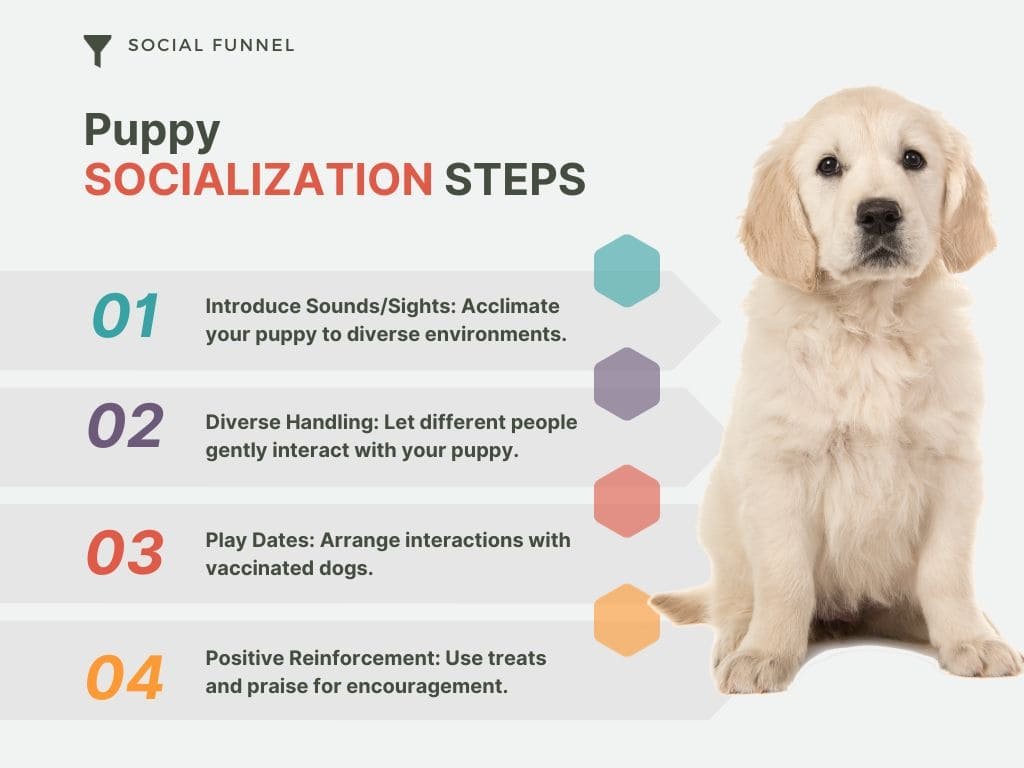
Understanding dog socialization stages helps owners create a calm and confident companion. A puppy does not automatically know that people, cars, noises, and new places are safe. These lessons come from gentle experiences repeated at the right time.
In my experience working with dog behavior topics, many challenges in adult dogs begin with missed early experiences. Good socialization is not about forcing a dog to meet everyone. It is about building trust through positive, controlled exposure.

What Are Dog Socialization Stages?
Dog socialization stages are periods of development when dogs learn how to respond to their environment. These stages shape confidence, communication skills, and emotional reactions.
Socialization is more than meeting other dogs. It includes learning about humans, surfaces, sounds, handling, travel, grooming, and everyday situations in a safe way.
- ✦ Early learning
Young puppies quickly form opinions about new experiences based on how safe and positive those moments feel.
- ✦ Long-term impact
Positive social experiences can help reduce fear and improve a dog’s ability to adapt throughout life.
The Puppy Socialization Stage: Birth to 16 Weeks
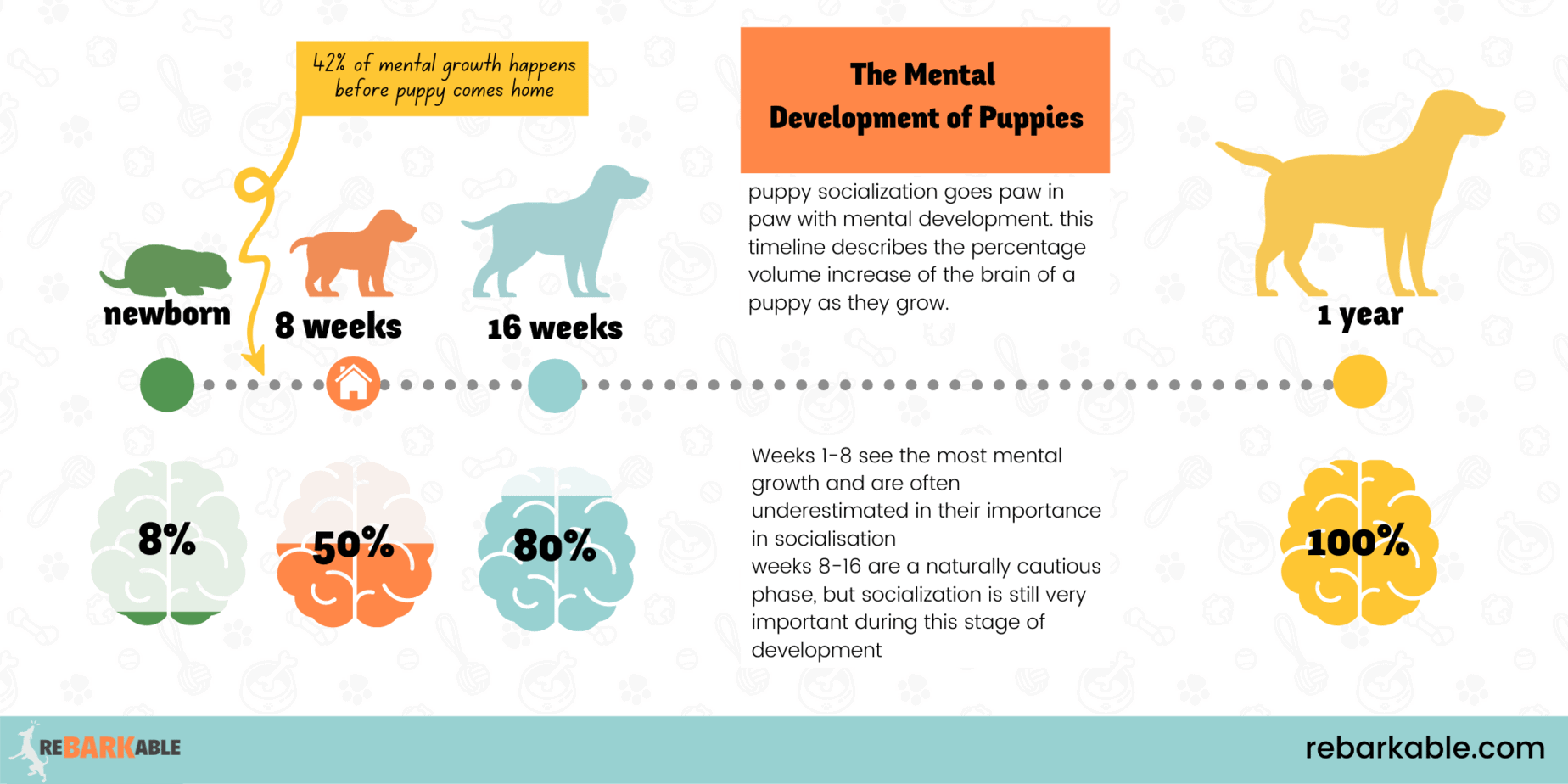
The first major stage in dog socialization stages happens during puppyhood. Puppies begin learning from their mother and littermates before they go to new homes.
The period from about three to sixteen weeks is often considered a critical learning window. Puppies are usually more open to new experiences during this time, but every puppy develops at a different pace.

- ✦ Birth to 3 weeks
Puppies mainly learn through their mother, littermates, touch, smell, and early movement.
- ✦ 3 to 8 weeks
Puppies develop basic social skills through play and communication with their littermates.
- ✦ 8 to 16 weeks
Puppies should experience safe exposure to people, sounds, places, and gentle handling.
Safe Puppy Experiences During This Stage
A puppy should experience new things slowly. A short positive interaction is better than a stressful experience that lasts too long.
- ✦ People
Introduce different ages, appearances, voices, and movements in a calm way.
- ✦ Environments
Let puppies explore safe areas such as parks, homes, cars, and different indoor surfaces.
The Juvenile Stage: 4 Months to 6 Months
The juvenile stage is another important part of dog socialization stages. Puppies become more independent and may start showing caution toward unfamiliar things.
Owners should continue training and exposure instead of assuming socialization is finished after puppyhood.

- ✦ Continue exposure
Keep introducing new experiences while rewarding calm behavior.
- ✦ Build confidence
Use games, training, and exploration to help puppies solve small challenges.
The Adolescent Dog Socialization Stage
Adolescence often brings new behavior changes. Dogs may test limits, become distracted, or suddenly appear unsure of familiar situations.
During this stage, consistent training and positive experiences help dogs maintain confidence. Socialization should continue through walks, training classes, and controlled meetings.
- ✦ Expect changes
Temporary fear or uncertainty can happen as dogs mature.
- ✦ Stay consistent
Regular practice helps dogs keep good habits and emotional balance.
Adult Dog Socialization and Lifelong Learning
Adult dogs can still learn new social skills. While early experiences matter, the brain remains capable of adapting throughout life.
Adult dog socialization focuses on comfort, confidence, and helping dogs handle everyday situations without stress.
- ✦ Slow introductions
Allow adult dogs time to adjust to new people, animals, and places.
- ✦ Positive rewards
Treats, praise, and play can help create better emotional responses.
Common Dog Socialization Mistakes to Avoid
Many owners want to socialize their dogs but use methods that create stress. Good socialization should always respect the dog’s comfort level.
The goal is not to make a dog love every person or animal. The goal is to help the dog feel safe and make good choices.
- ✦ Forcing interactions
Pushing a fearful dog into situations can increase anxiety.
- ✦ Too much too fast
Many new experiences at once can overwhelm a puppy.
- ✦ Ignoring body language
Signs like hiding, freezing, or avoiding contact show a dog may need more space.
