
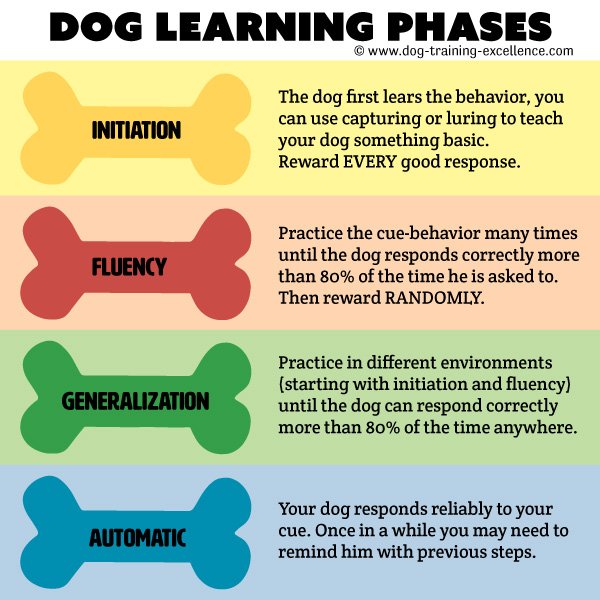
Dog training progression is the process of helping a dog move from simple skills to more complex behaviors over time. In my experience working with training plans, the biggest improvements happen when owners focus on small wins instead of rushing to advanced commands. A dog that learns to focus, listen, and trust will usually build new skills with more confidence.
For many families in the United States, training is part of daily life. Dogs need to handle busy streets, guests, children, parks, and different environments. A structured dog training progression helps create a well-behaved companion that can adapt to real-world situations.
What Is Dog Training Progression?
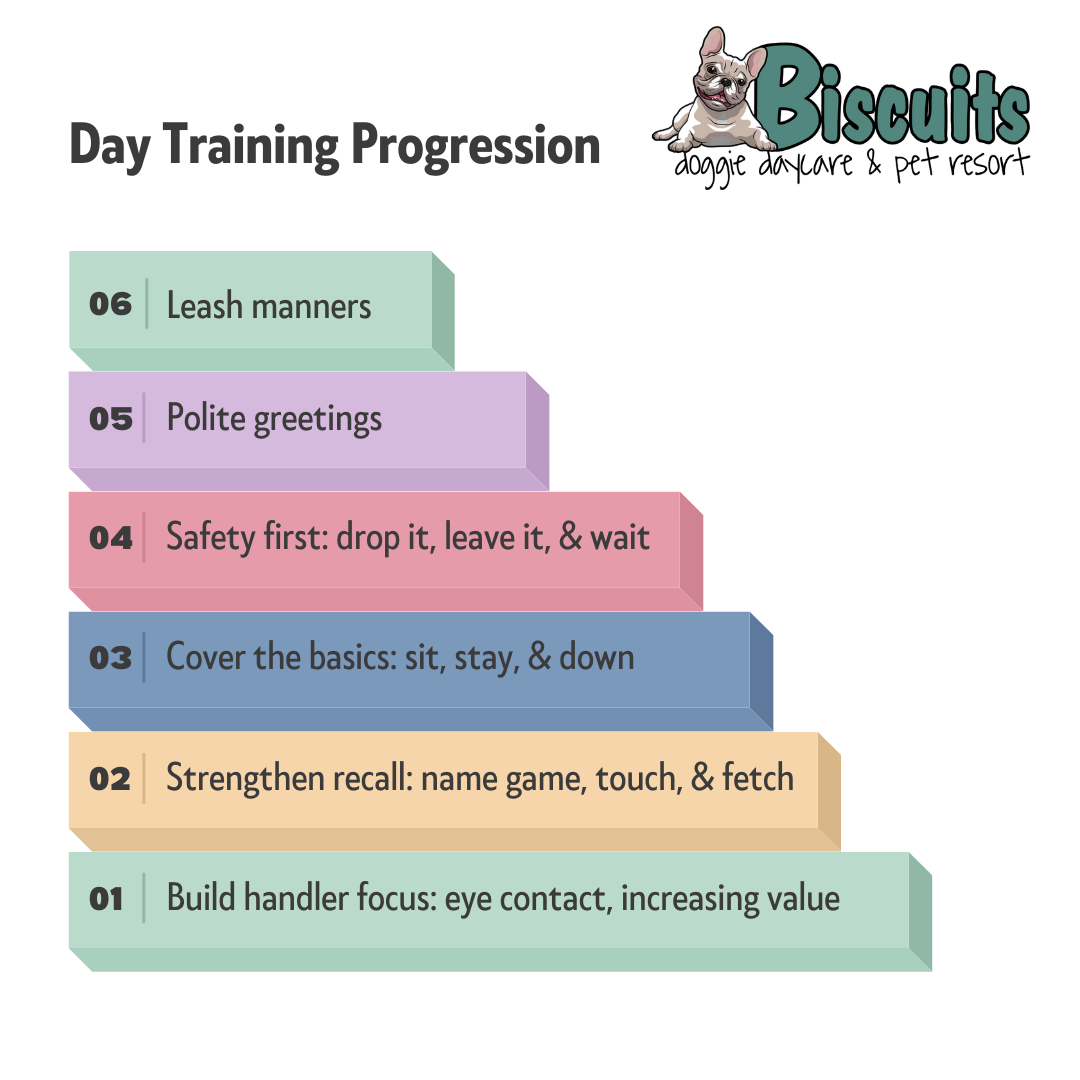
Dog training progression describes the gradual path a dog follows while learning new behaviors. Instead of teaching everything at once, trainers break skills into smaller steps that are easier for dogs to understand.
A good progression plan considers the dog’s age, breed traits, personality, past experiences, and learning speed. A young puppy may focus on house manners, while an adult dog may work on impulse control or behavior changes.
- ✦ Foundation skills
Dogs first learn attention, name recognition, recall, and basic commands that create a strong training base.
- ✦ Skill building
Dogs improve by practicing behaviors in different places with increasing distractions.
- ✦ Real-life reliability
The final stage helps dogs use learned skills during everyday situations.
Why Progression Matters in Dog Training
Dogs learn best when lessons match their current ability. Asking a beginner dog to perform advanced behaviors can create confusion and frustration.
A step-by-step approach builds confidence. It also allows owners to identify problems early and adjust training methods before bad habits become stronger.
The Main Stages of Dog Training Progression
Most successful training programs follow several stages. Each stage prepares the dog for the next level of learning.
The speed of progress depends on practice quality, consistency, and the dog’s individual needs. Some dogs master basic commands in weeks, while others need months of steady work.

- ✦ Stage one: Relationship and trust
The dog learns to feel safe with the owner and responds positively to guidance.
- ✦ Stage two: Basic obedience
The dog learns commands such as sit, stay, come, and leave it.
- ✦ Stage three: Distraction training
The dog practices skills around people, animals, sounds, and new environments.
- ✦ Stage four: Advanced behavior
The dog develops stronger control, focus, and complex task abilities.
Puppy Training Progression
Puppies often start learning from the moment they arrive at home. Early training focuses on socialization, potty habits, handling, and simple commands.
During puppy training progression, short sessions work better than long lessons because young dogs have limited attention spans.
How Long Does Dog Training Progression Take?
There is no single timeline for dog training progression. Some dogs learn basic commands quickly, while others require more repetition due to age, temperament, or previous habits.
Professional trainers often measure progress by behavior quality rather than time. A dog that performs a command correctly in a quiet room may still need practice before succeeding in a busy park.
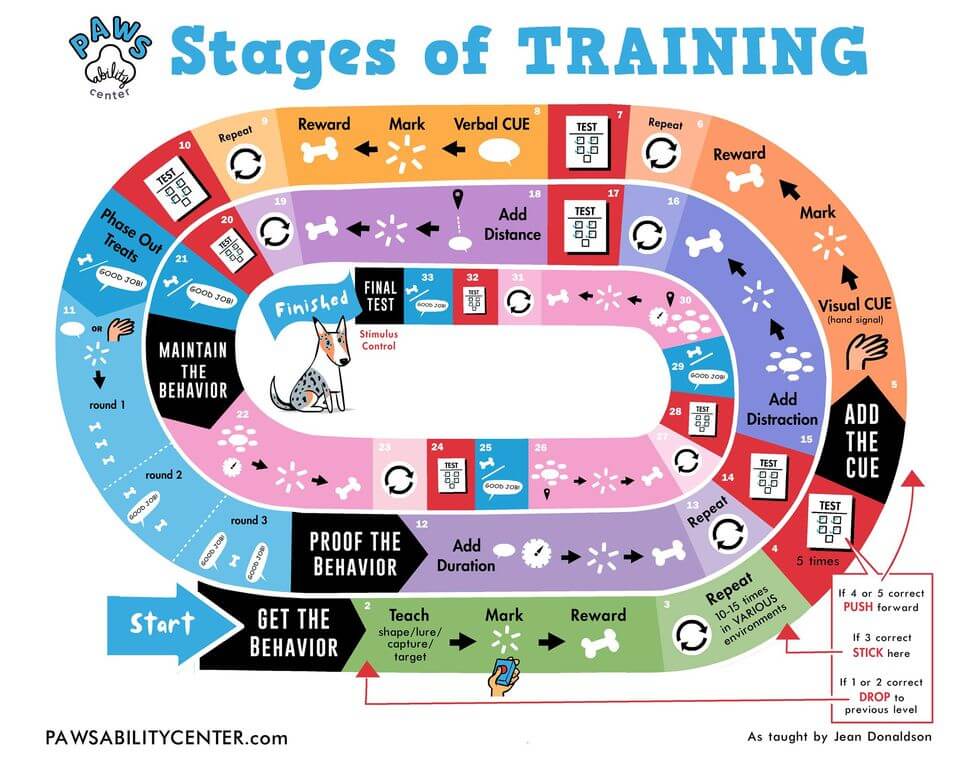
- ✦ Early learning phase
Many dogs begin understanding basic cues within a few training sessions when lessons are consistent.
- ✦ Improvement phase
Dogs develop stronger habits through repeated practice over several weeks or months.
- ✦ Maintenance phase
Dogs continue practicing learned skills to keep behaviors reliable.
Factors That Affect Training Speed
Breed, motivation, health, environment, and the owner’s consistency all affect how quickly a dog progresses.
A positive training environment usually creates better results because dogs are more willing to engage and learn.
- ✦ Training frequency
Regular short sessions usually create stronger learning habits than rare long sessions.
How Positive Reinforcement Improves Dog Training Progression
Positive reinforcement is one of the most common modern training approaches. It rewards desired behaviors so dogs understand what actions bring good results.
Rewards can include treats, praise, toys, or play. The goal is to make learning clear and enjoyable while building a strong connection between the dog and owner.

- ✦ Better motivation
Rewards encourage dogs to participate and repeat successful behaviors.
- ✦ Clear communication
Dogs learn faster when owners consistently show which behaviors are correct.
- ✦ Stronger relationship
Reward-based training can improve trust and cooperation.
Avoiding Common Training Mistakes
Many owners slow their dog’s progress by changing rules, skipping practice, or expecting results too quickly.
A simple training routine with clear goals often creates better results than complicated methods.
How to Track Your Dog’s Training Progress
Tracking progress helps owners understand what their dogs know and where they need more practice. Small improvements are valuable signs of learning.
A training journal can record commands, challenges, rewards, and successful moments. This makes it easier to create better future sessions.
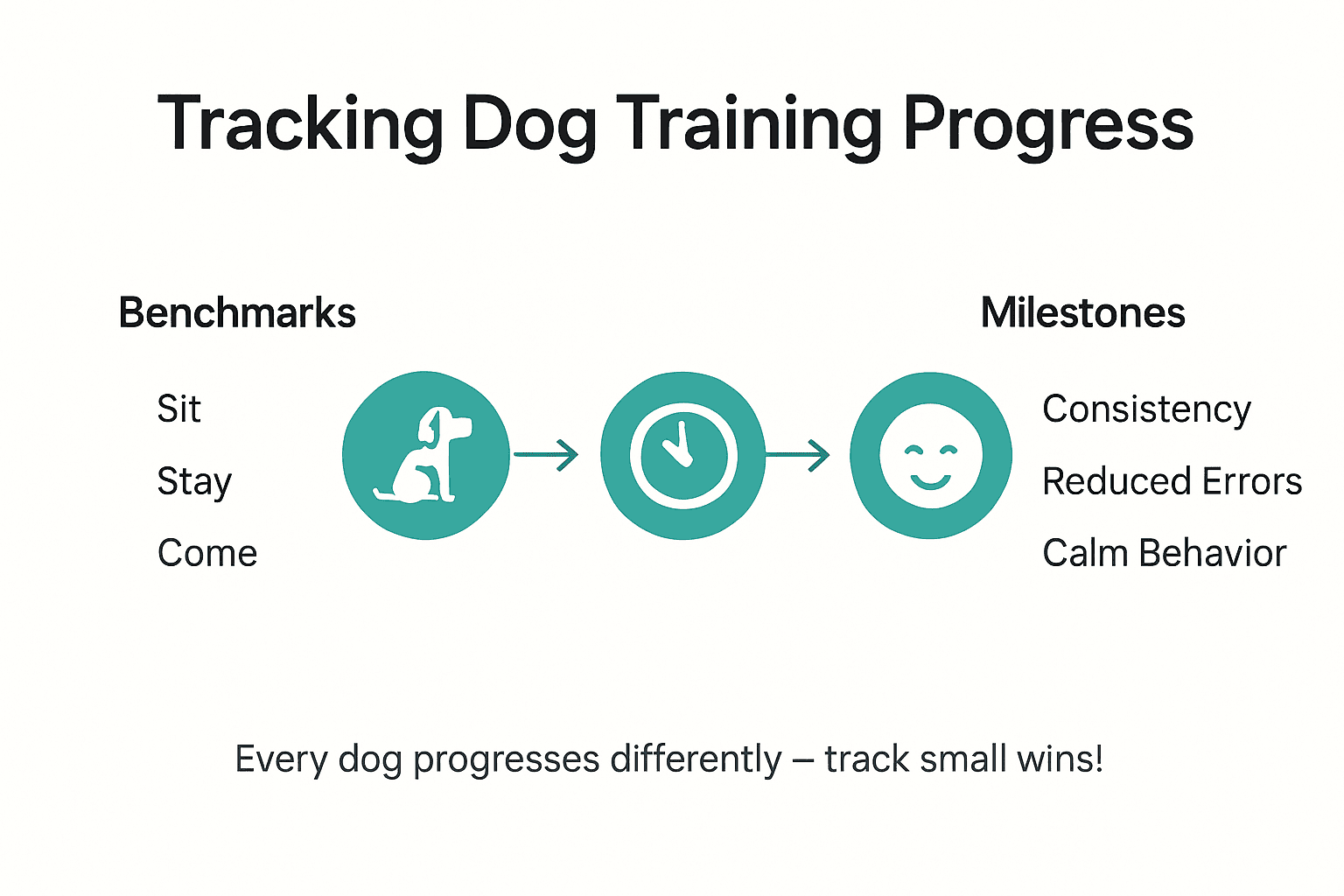
- ✦ Record achievements
Write down new behaviors your dog learns and situations where they perform well.
- ✦ Monitor challenges
Notice distractions or situations where your dog struggles.
- ✦ Adjust training goals
Update goals as your dog’s abilities improve.
Signs Your Dog Is Making Progress
Progress is not only about perfect commands. A calmer attitude, better focus, and faster responses are also important improvements.
Many owners notice that their dogs become easier to manage in daily situations as training continues.
Moving From Basic Commands to Advanced Training
Advanced dog training begins when a dog understands basic commands and can perform them with distractions. This stage requires patience and careful progression.
Examples include off-leash reliability, service tasks, sports training, scent work, and specialized behaviors. These skills build on the foundation created earlier.

- ✦ Increase difficulty slowly
Change one challenge at a time, such as adding distance or distractions.
- ✦ Practice in new locations
Dogs need to learn that commands apply everywhere, not only at home.
