

Dog training duration varies from one dog to another. A young puppy may learn simple commands in a few weeks, while a dog with fear, aggression, or years of unwanted habits may need several months of focused work. In the United States, many dog owners balance training with busy schedules, so short and consistent practice often works best.
After working with different training plans, one lesson becomes clear: progress depends more on consistency than speed. A dog that practices for 10 minutes every day can often improve faster than a dog that trains for one long session once a week.

What Is the Average Dog Training Duration?
The average dog training duration depends on the goal of the training. Basic obedience training often takes about four to eight weeks when owners practice regularly. More advanced skills, behavior changes, and service-level training can take many months or longer.
Training is not a one-time event. Dogs keep learning throughout their lives. Even after a dog understands a command, regular practice helps maintain good habits and prevents old behaviors from returning.
- ✦ Basic obedience training
Commands like sit, stay, come, and leave it may improve within several weeks with daily practice.
- ✦ Behavior modification
Issues like barking, jumping, anxiety, or leash pulling often require a longer training period.
- ✦ Advanced training
Complex skills usually require months of structured lessons and repeated practice.
Why Training Time Is Different for Every Dog
Dogs have different personalities, backgrounds, and learning speeds. A confident young dog may respond quickly, while a rescued dog with past stress may need more time to feel safe and learn new habits.
- ✦ Age
Puppies often learn quickly but need frequent repetition because their attention span is shorter.
- ✦ Environment
Dogs trained in quiet places may need extra time to perform commands around distractions.
How Long Should Each Dog Training Session Last?
The ideal dog training session length is usually short and focused. Many dogs learn better from five to fifteen minute sessions because they can stay interested and avoid frustration.
Long sessions can reduce attention and make training feel tiring. Professional trainers often break lessons into small steps and repeat them across the day.

- ✦ Puppies
Short sessions of around five minutes several times a day often work well.
- ✦ Adult dogs
Many adult dogs can handle ten to twenty minute sessions with proper breaks.
- ✦ Senior dogs
Older dogs may benefit from shorter sessions that match their comfort level.
Quality Matters More Than Training Time
A focused five-minute lesson with rewards and clear communication can be more effective than a distracted thirty-minute session. The goal is to create successful experiences that encourage your dog to learn.
Dog Training Duration by Age Group
Age plays a major role in dog training duration. Puppies, adult dogs, and senior dogs all have different learning abilities and physical needs.
A good training plan respects the dog’s stage of life. The goal is not only to teach commands but also to build confidence and trust.
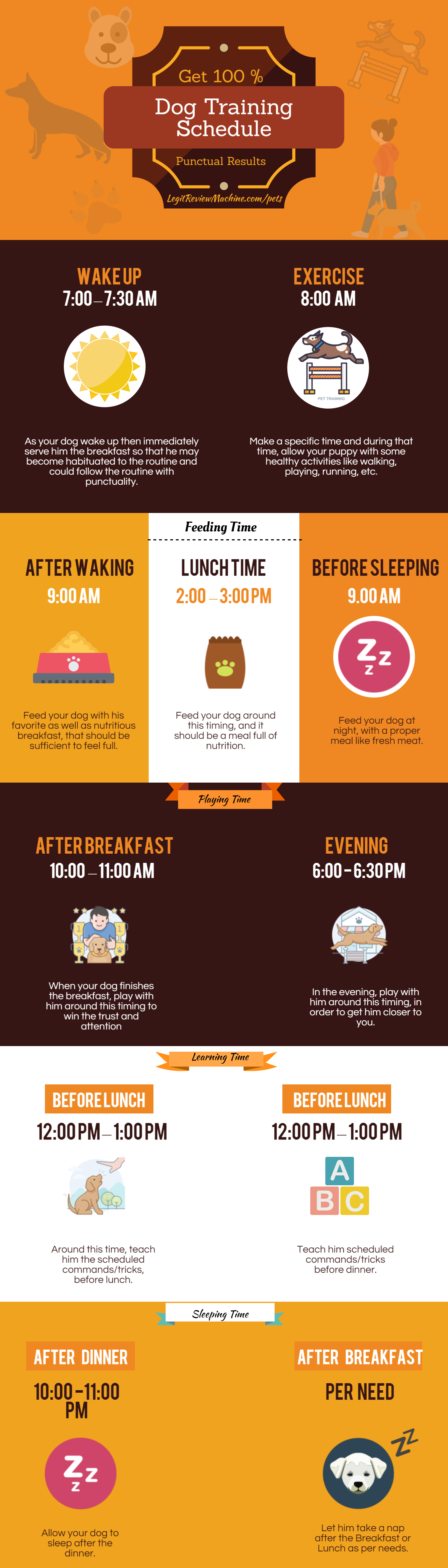
- ✦ Puppy training timeline
Puppies can start learning basic manners as early as eight weeks old. House training and impulse control may take several months.
- ✦ Adult dog training timeline
Adult dogs can learn new behaviors at any age, though changing established habits may require more patience.
- ✦ Senior dog training timeline
Older dogs can still learn through gentle training methods that consider mobility and health.
Training Puppies Versus Adult Dogs
Puppies often learn new commands quickly because they are still developing habits. Adult dogs may need more repetition, but they can also have better focus and self-control.
Factors That Affect Dog Training Duration
Several factors influence how quickly a dog learns. Understanding these factors helps owners create realistic expectations and avoid frustration.
Training methods, the owner’s commitment, and the dog’s daily environment all affect progress. A supportive routine usually creates stronger results.

- ✦ Training consistency
Daily practice helps dogs understand expectations and build reliable habits.
- ✦ Training method
Positive reinforcement can make learning easier by rewarding behaviors owners want to encourage.
- ✦ Distractions
Dogs may understand commands at home but need more time to respond in busy places.
The Role of Positive Reinforcement
Reward-based training uses treats, praise, toys, or other rewards to encourage good behavior. It helps many dogs stay motivated and creates a positive relationship between the dog and owner.
How to Make Dog Training Faster and More Effective
Improving dog training duration does not mean rushing your dog. Faster progress comes from creating a clear plan, using simple steps, and practicing often.
Many owners make training harder by changing rules or expecting too much too soon. Clear communication and patience help dogs understand what you want.

- ✦ Create a daily routine
Regular training times help dogs understand when learning happens.
- ✦ Train in different locations
Practice commands at home, outdoors, and around distractions to build reliability.
- ✦ Reward small improvements
Recognizing small wins keeps dogs motivated and improves confidence.
When to Hire a Professional Dog Trainer
Professional help can be useful when owners face serious behavior challenges or need a structured training plan. Trainers can identify problems and guide owners through practical solutions.
- ✦ Complex behaviors
Aggression, severe fear, and anxiety may require specialized support.
