
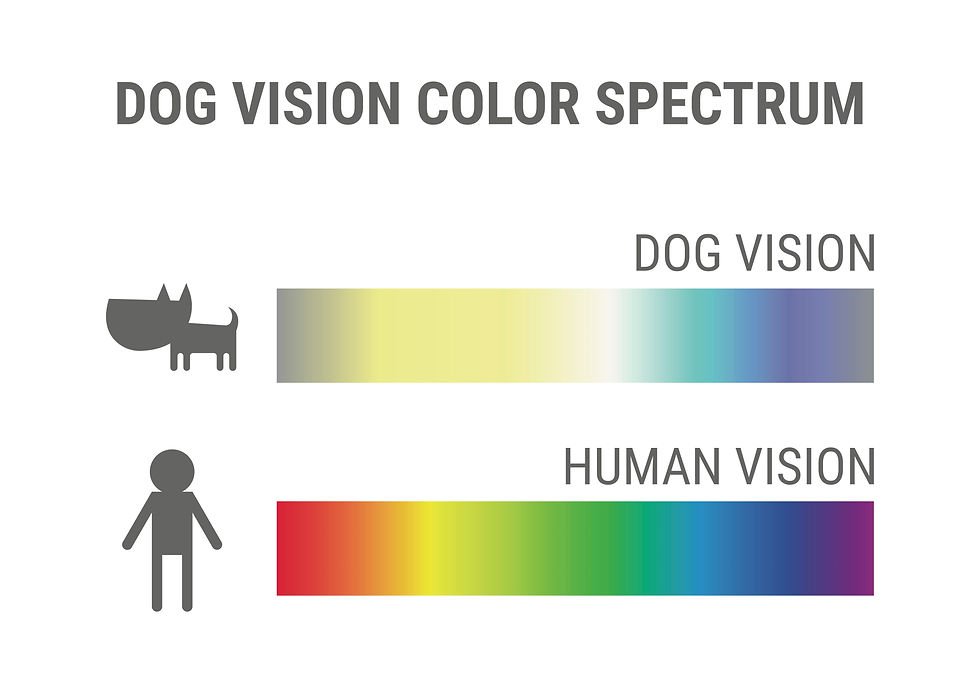
Dog vision and color perception is often misunderstood. Many people think dogs see only black and white, but science shows a more interesting picture. Dogs can see some colors, detect movement very well, and use their eyes together with smell and hearing to understand their world.
From my experience studying pet behavior and animal care topics, I have found that understanding dog vision helps owners make better choices. Simple changes, like choosing the right toy color or improving home lighting, can make daily activities easier for dogs in the United States and around the world.
How dog vision and color perception works
Dog vision starts with the structure of the eye. Like humans, dogs have rods and cones inside the retina. Rods help with low-light vision and movement. Cones help detect colors and details.
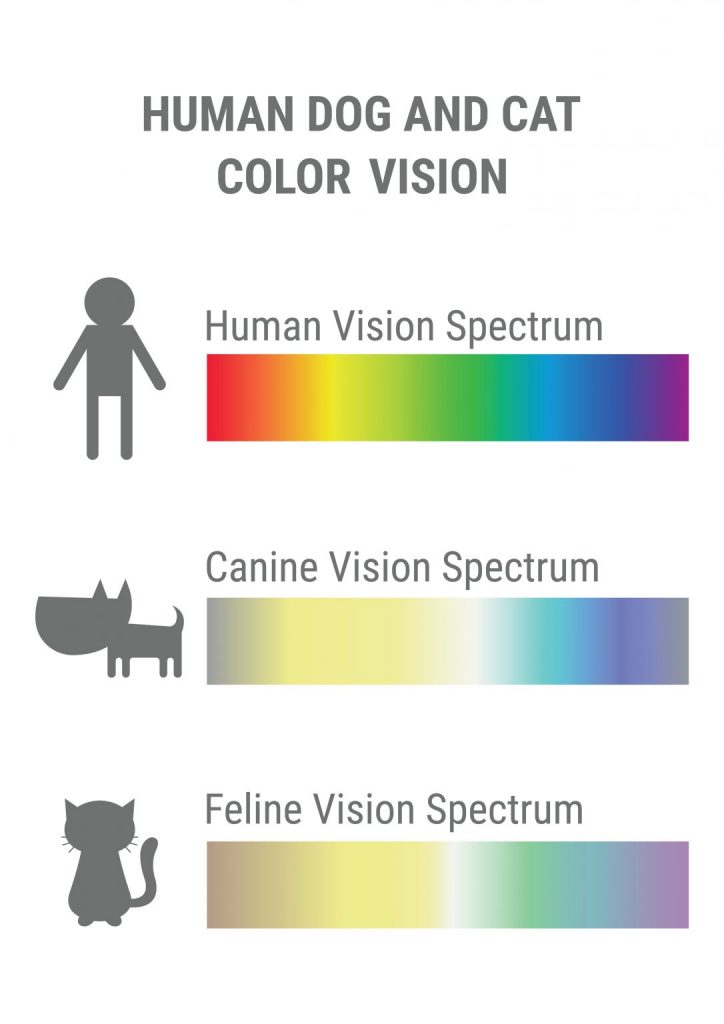
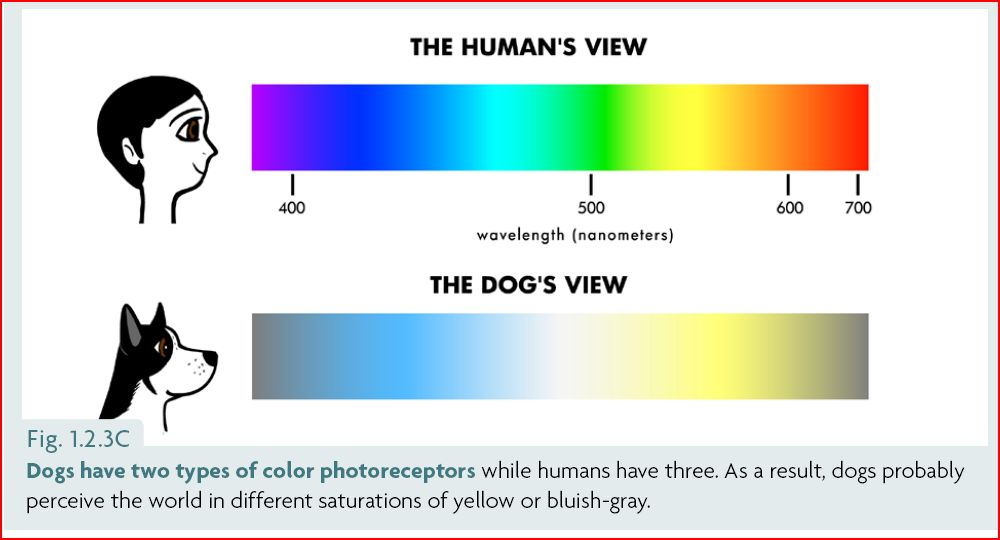
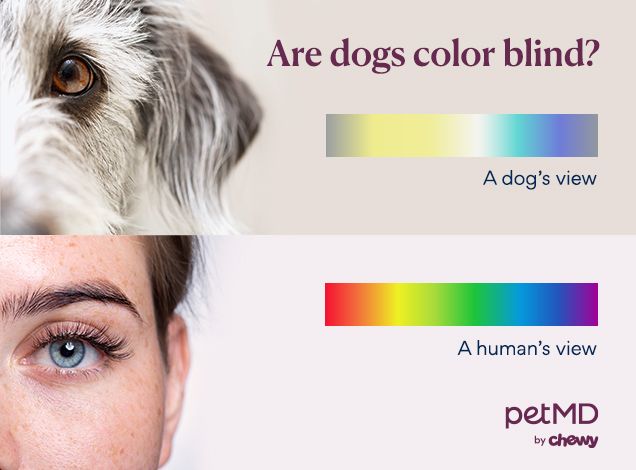
Humans usually have three types of cone cells. Dogs have two main types. This means dogs have a smaller color range than humans, but they are not completely color blind.
- ✦ Two-color vision
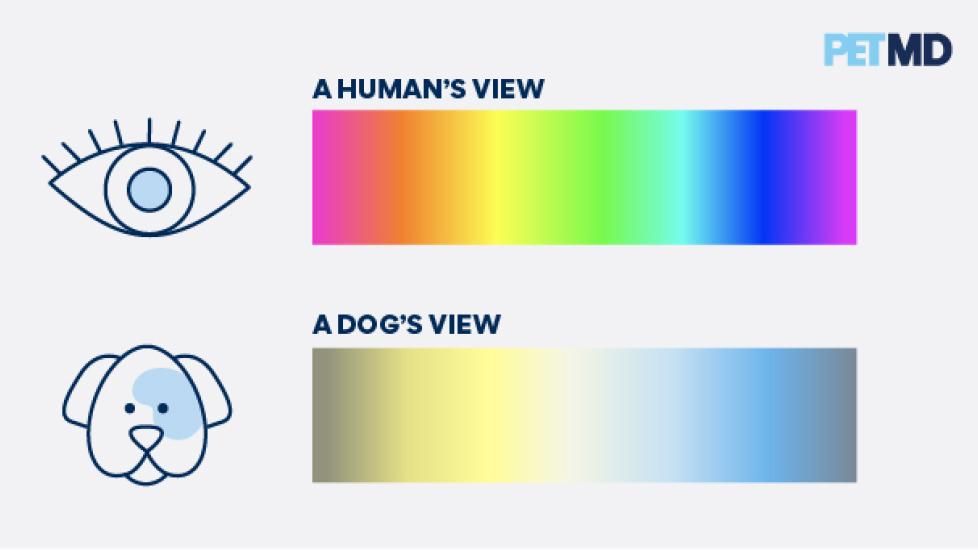
Dogs mainly detect blue and yellow colors. They have difficulty separating red, green, and orange shades.
- ✦ Strong motion detection
Dogs are excellent at noticing moving objects, which helps with hunting instincts and play.
What colors can dogs see?
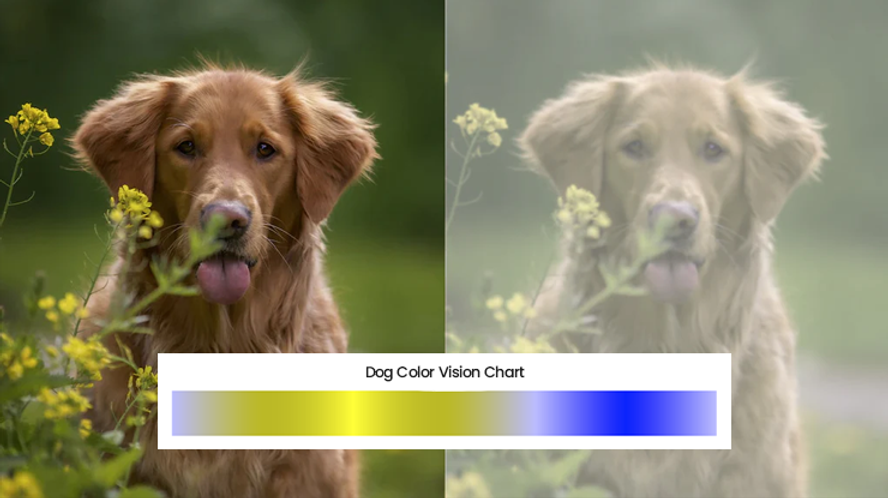
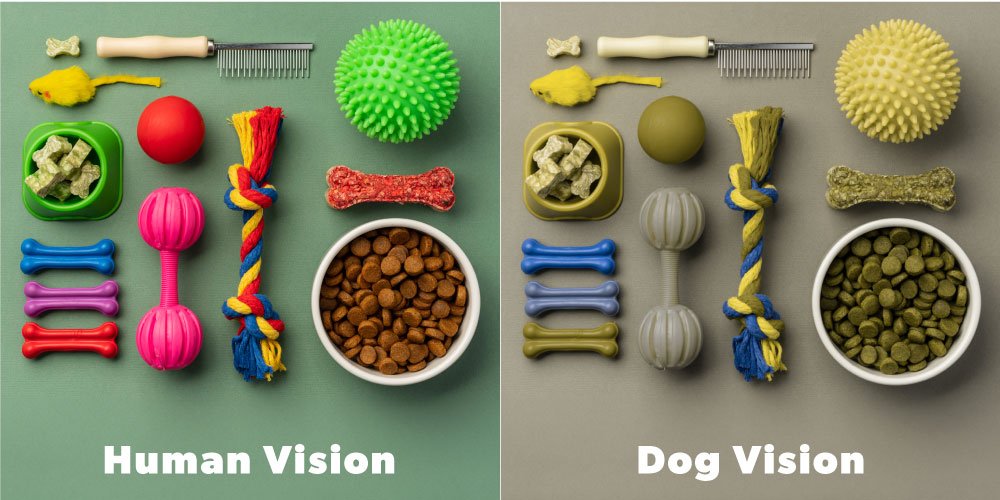
Dog vision and color perception is similar to a person with red-green color blindness. Dogs can usually see blue and yellow well, while red and green objects may appear as gray, brown, or yellowish shades.
This difference matters during play. A red ball on green grass may not stand out clearly for a dog, while a blue toy may be much easier to notice.
- ✦ Colors dogs see clearly
Blue and yellow tones are the easiest colors for most dogs to recognize.
- ✦ Colors dogs see differently
Red, green, and orange colors may blend together because dogs lack the same cone cells humans use.
Why dogs do not see a rainbow like humans
A human rainbow contains many colors because our eyes combine signals from three cone types. Dogs receive fewer color signals, so their visual world contains fewer color differences.
How dog eyesight compares with human eyesight
Human eyesight is built for reading, detail, and color recognition. Dogs have evolved for detecting movement, finding objects, and seeing in different light conditions.
Dogs generally have lower visual sharpness than humans. A dog may not see small details from far away, but it can notice movement that humans might miss.
- ✦ Night vision advantage
Dogs have more rod cells and a reflective layer called the tapetum lucidum, which improves vision in low light.
- ✦ Wider view
Many dogs have a wider field of view than humans because their eyes sit differently on their head.
How dogs use vision in daily life
Dog vision and color perception affects many daily activities, including walking, training, and playing. Dogs do not depend on eyesight alone. They combine vision with smell, hearing, and memory.
For American dog owners, understanding these abilities can improve training sessions. Choosing visible toys and using clear body signals can help dogs respond faster.
- ✦ Toy selection
Blue and yellow toys often stand out better for dogs than red or green toys.
- ✦ Training signals
Clear hand movements and consistent gestures can support dogs during training.
Common myths about dog vision and color perception
Many myths exist about how dogs see. The most common myth is that dogs see only black and white. Research shows that dogs have color vision, but it is limited compared with humans.
Another myth is that dogs have poor eyesight. Their eyesight is different, not simply worse. Their eyes are specialized for their natural needs.
- ✦ Myth: Dogs see no colors
Dogs can see colors, especially blue and yellow shades.
- ✦ Myth: Dogs rely only on smell
Smell is powerful, but vision still plays an important role in movement and communication.
Signs of vision problems in dogs
Healthy dog eyesight supports confidence and movement. Changes in behavior can sometimes point to vision problems that need veterinary attention.
Owners should watch for sudden changes because early care may protect remaining vision and improve quality of life.

- ✦ Bumping into objects
A dog that suddenly hits furniture or walls may have reduced vision.
- ✦ Eye changes
Cloudiness, redness, or unusual discharge can be signs of eye concerns.
