
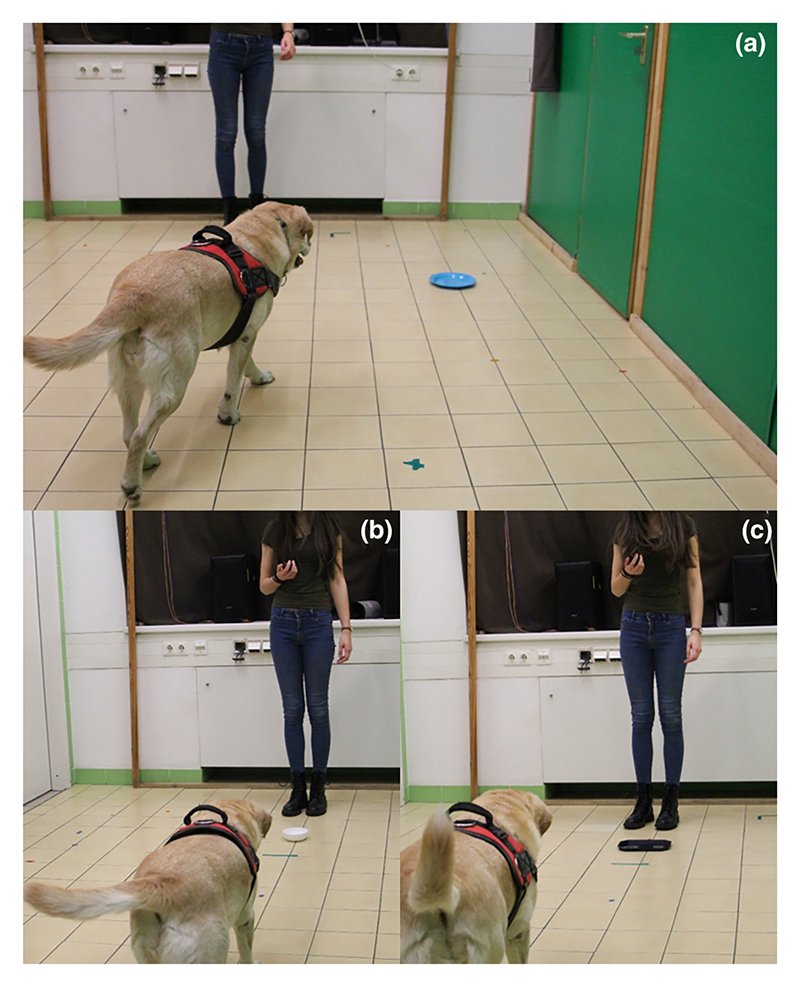
Dog spatial awareness explains why a dog can run through a crowded park, avoid obstacles, find a hidden toy, or remember the path home. Dogs constantly collect information from their senses and body movements to create a mental picture of their surroundings.
From my experience studying canine behavior, I have seen that dogs with strong spatial awareness often move with more confidence. A family dog in a busy American home uses these skills every day, from walking around furniture to navigating stairs, yards, and unfamiliar places.
What is dog spatial awareness?
Dog spatial awareness is the ability of a dog to understand its position and movement within an environment. It allows a dog to judge distance, avoid objects, and move with control.
This skill is not based on one sense alone. Dogs combine information from their eyes, ears, nose, paws, muscles, and memory to understand the space around them.
- ✦ Body position awareness
Dogs know where their legs, tail, and body are placed while they move, jump, sit, or squeeze through narrow spaces.
- ✦ Environmental awareness
Dogs recognize objects, pathways, barriers, and changes in their surroundings.
- ✦ Movement planning
Dogs can choose safer ways to reach a goal by judging space and distance.
Why spatial awareness matters for dogs
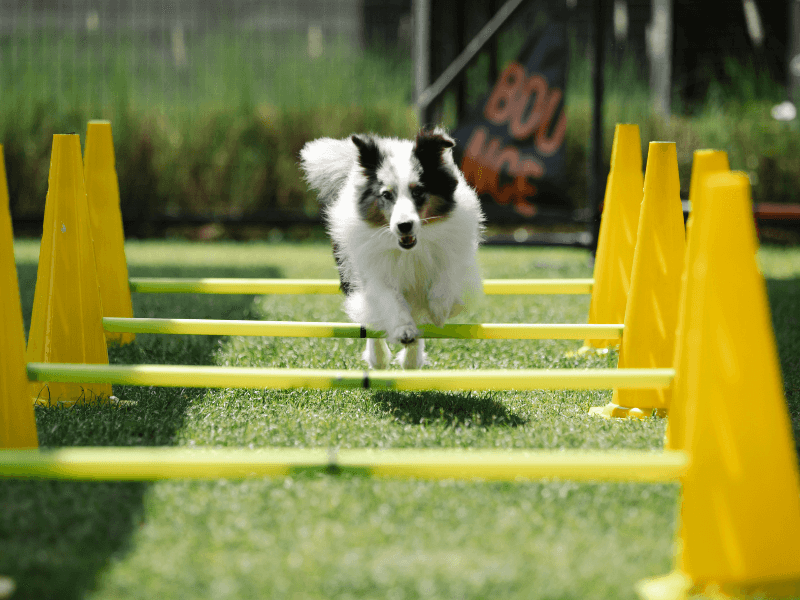
Strong dog spatial awareness helps dogs complete daily tasks with fewer mistakes. It supports walking, playing, hunting behaviors, training exercises, and social interactions.
A dog that understands space can better judge when to slow down, turn, jump, or avoid contact with objects.
How dogs develop spatial awareness through their senses
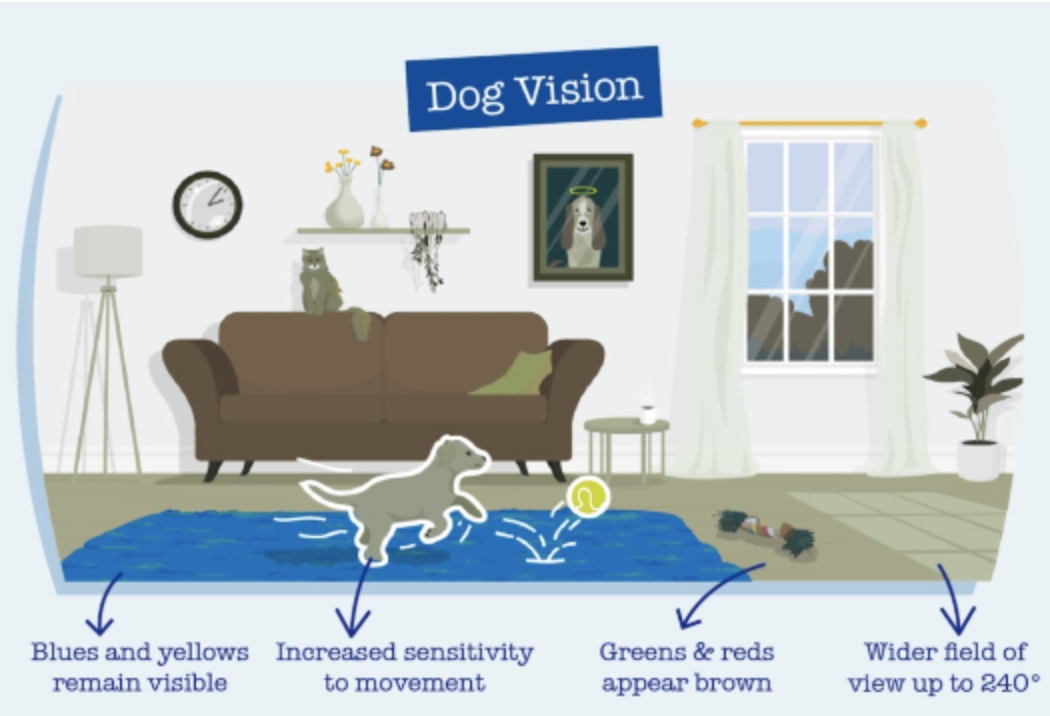
Dogs experience the world differently from humans. Their understanding of space comes from a combination of sensory signals rather than vision alone.
A dog’s powerful nose and sensitive hearing provide extra information that helps create a complete picture of its surroundings.
- ✦ Vision
Dogs use sight to detect shapes, movement, obstacles, and changes in distance.
- ✦ Smell
Scent helps dogs understand locations, objects, and previous activity in an area.
- ✦ Hearing
Sounds help dogs locate people, animals, and moving objects around them.
The role of paws and body feedback
Dogs receive information from muscles and joints through a process called proprioception. This helps them know where their body parts are without looking at them.
This ability supports activities like climbing stairs, walking on uneven ground, and performing dog sports.
- ✦ Balance control
Body feedback helps dogs maintain balance during movement.
How dogs use spatial awareness in everyday life
Dog spatial awareness appears in many normal behaviors that owners see every day. A dog does not need formal training to use these skills.
When a dog walks around a coffee table, catches a ball, or finds a favorite sleeping spot, it uses spatial information.

- ✦ Moving around the home
Dogs learn furniture locations and create mental maps of familiar rooms.
- ✦ Playing games
Fetch and puzzle games require dogs to estimate distance and direction.
- ✦ Outdoor navigation
Dogs use landmarks, scents, and memory to move through outdoor spaces.
Examples from American homes
In many U.S. homes, dogs move between indoor rooms, fenced yards, sidewalks, and parks. Each environment requires different spatial decisions.
A dog that understands its surroundings can adapt better when owners rearrange furniture or visit new places.
Dog spatial awareness and memory
Memory plays an important role in dog spatial awareness. Dogs remember familiar places and use past experiences to guide future actions.
A dog may remember where food is stored, where a toy was hidden, or which path leads to a favorite walking area.

- ✦ Location memory
Dogs can remember important places connected with rewards, safety, or routines.
- ✦ Route learning
Dogs can learn repeated walking paths and recognize familiar environments.
Can dogs find their way home?
Dogs may use a combination of scent, landmarks, memory, and environmental clues when navigating. Their ability depends on many factors, including experience and surroundings.
Navigation skills are usually stronger in familiar areas where dogs have collected more information.
How to improve dog spatial awareness through training
Owners can support dog spatial awareness with simple activities. These exercises encourage dogs to think, move, and understand their bodies better.
Positive training methods work well because dogs learn through safe exploration and rewards.
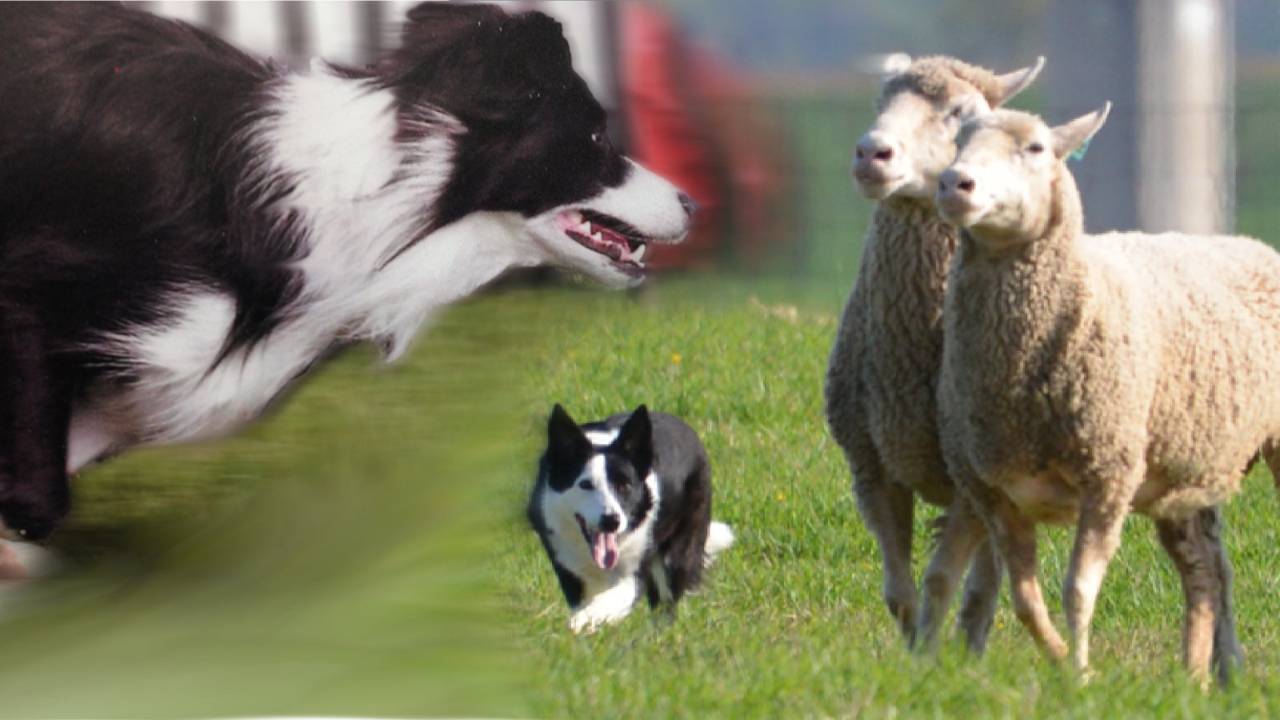
- ✦ Obstacle courses
Simple tunnels, poles, and low obstacles help dogs practice movement control.
- ✦ Puzzle toys
Problem-solving toys encourage dogs to understand object placement and movement.
- ✦ New walking routes
Different environments provide new sensory information and learning opportunities.
Activities for senior dogs
Older dogs may experience changes in movement and confidence. Gentle exercises can help maintain awareness and comfort.
Slow walks, simple games, and safe environments can support healthy movement patterns.
Factors that can affect a dog’s spatial awareness
A dog’s spatial skills can change because of age, health, environment, and experience. Some dogs naturally appear more confident in movement than others.
Understanding these factors helps owners create safer spaces and better training plans.
- ✦ Age
Puppies are still learning body control, while older dogs may need support with movement changes.
- ✦ Vision changes
Reduced eyesight can affect how dogs judge distance and obstacles.
- ✦ Environment
New or crowded spaces may require extra adjustment time.
