
Dogs sense temperature through nerves, skin, paws, and body systems that detect heat and cold changes.
Dog temperature perception is a complex sense that helps dogs understand their environment. A dog can feel a warm sidewalk, a cold floor, or a sudden weather change through special nerve endings in the body. This ability helps dogs choose safer places to rest and move.
From my experience studying canine behavior and pet care topics, many owners underestimate how differently dogs experience temperature compared with humans. A dog may enjoy a sunny yard while another dog of the same size may struggle with heat. Breed, coat type, age, and health all affect temperature comfort.
For American dog owners, understanding Dog temperature perception is especially useful during hot summers, winter walks, and outdoor activities. Knowing how dogs sense temperature can help prevent heat stress and cold-related problems.
How Dog Temperature Perception Works
Dog temperature perception begins with sensory receptors located throughout the body. These receptors send signals to the brain when they detect changes in heat, cold, or surface temperature.
Dogs use these signals with other senses, such as smell and touch, to understand their surroundings. A dog does not think about temperature in the same way a person does, but its nervous system constantly monitors comfort and safety.
- ✦ Skin receptors
Small nerve endings in the skin detect warmth, cold, and sudden temperature changes.
- ✦ Paw sensitivity
Paw pads contain nerves that help dogs notice hot pavement, icy surfaces, and different textures.
- ✦ Internal temperature control
The brain tracks body temperature and triggers cooling or warming responses.
The Role of the Nervous System
The nervous system acts like a temperature warning system. When receptors detect extreme heat or cold, they send messages that encourage the dog to change behavior.
For example, a dog may move away from a hot surface, seek shade, or curl into a smaller shape during cold weather.
How Dogs Feel Heat and Stay Cool
Dogs experience heat differently from humans because they have fewer sweat glands. Most dogs cool themselves through panting, which moves air across the mouth and airways.
Dog temperature perception helps dogs notice rising heat, but their cooling system has limits. A dog may become overheated before an owner notices obvious warning signs.
- ✦ Panting
Panting helps release heat by increasing airflow through the respiratory system.
- ✦ Paw sweating
Dogs have sweat glands in their paw pads, but this provides only a small amount of cooling.
- ✦ Seeking shade
Many dogs naturally move toward cooler areas when their body senses heat stress.
Why Hot Pavement Can Be Dangerous
A dog may appear comfortable walking outside while its paws are exposed to harmful surface temperatures. Asphalt and concrete can become much hotter than the surrounding air.
Owners should test outdoor surfaces with their own hand before long walks, especially during American summer months.
How Dogs Sense Cold Temperatures
Dog temperature perception also helps dogs react to cold environments. When temperatures drop, dogs may adjust their posture, movement, and resting position to conserve heat.
A thick coat can protect many breeds, but not all dogs handle cold weather well. Small dogs, short-haired breeds, puppies, and older dogs often need extra protection.

- ✦ Body posture changes
Dogs may curl their bodies or tuck their legs closer to reduce heat loss.
- ✦ Coat protection
Fur traps warm air close to the skin and provides natural insulation.
- ✦ Movement response
Dogs may move more to create body heat when they feel cold.
Why Breed Matters
A Siberian Husky and a Chihuahua can experience the same outdoor temperature in very different ways. Coat thickness, body size, and genetics change how each dog handles weather.
Understanding breed differences is an important part of responsible dog care.
Do Dogs Feel Temperature Through Their Nose?
Many people believe a dog’s nose works like a temperature sensor. While the nose can detect environmental changes, its main role is smell rather than temperature control.
A dog’s nose may feel cool or warm because of moisture and blood flow changes. This does not always show the dog’s true body temperature.
- ✦ Smell connection
The nose mainly supports scent detection, which is one of a dog’s strongest senses.
- ✦ Moisture changes
Nose temperature can change during normal daily activities.
Signs Your Dog Is Too Hot or Too Cold
Dog temperature perception helps dogs respond to weather, but owners still need to watch for warning signs. Some dogs continue playing even when they are becoming uncomfortable.
Changes in behavior often appear before serious problems develop. Quick action can help protect your dog’s health.

- ✦ Signs of overheating
Heavy panting, weakness, excessive drooling, confusion, and unusual tiredness can indicate heat problems.
- ✦ Signs of being too cold
Shivering, slow movement, lifting paws, and seeking warmth may show cold discomfort.
Checking Your Dog’s Temperature
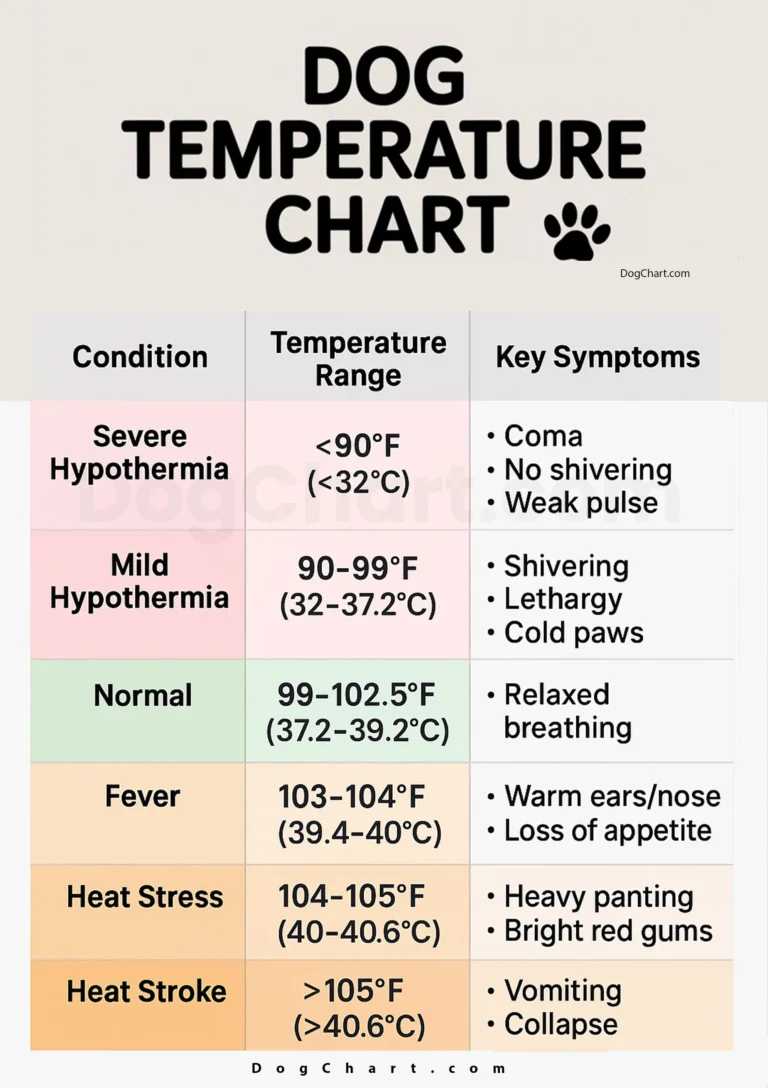
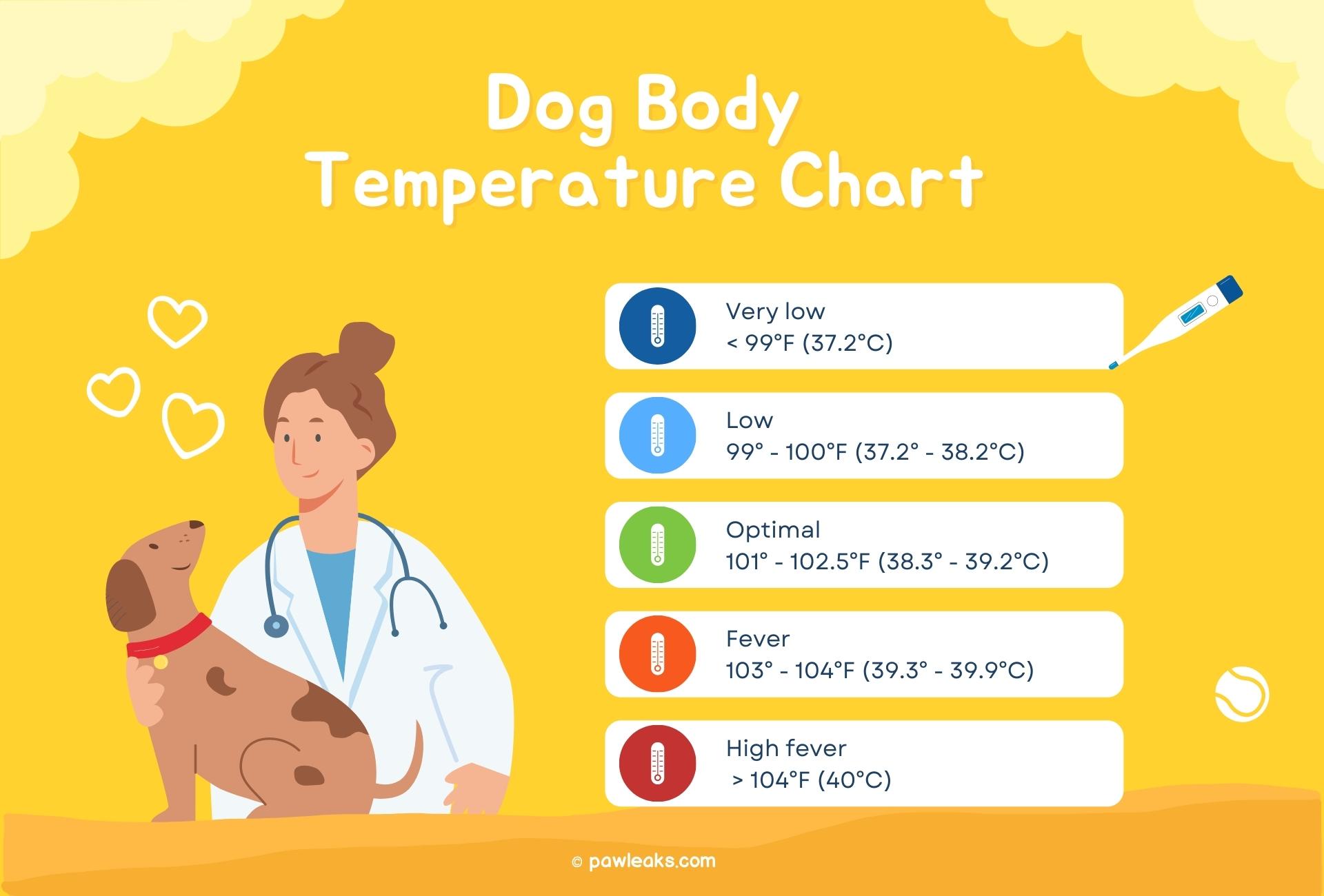
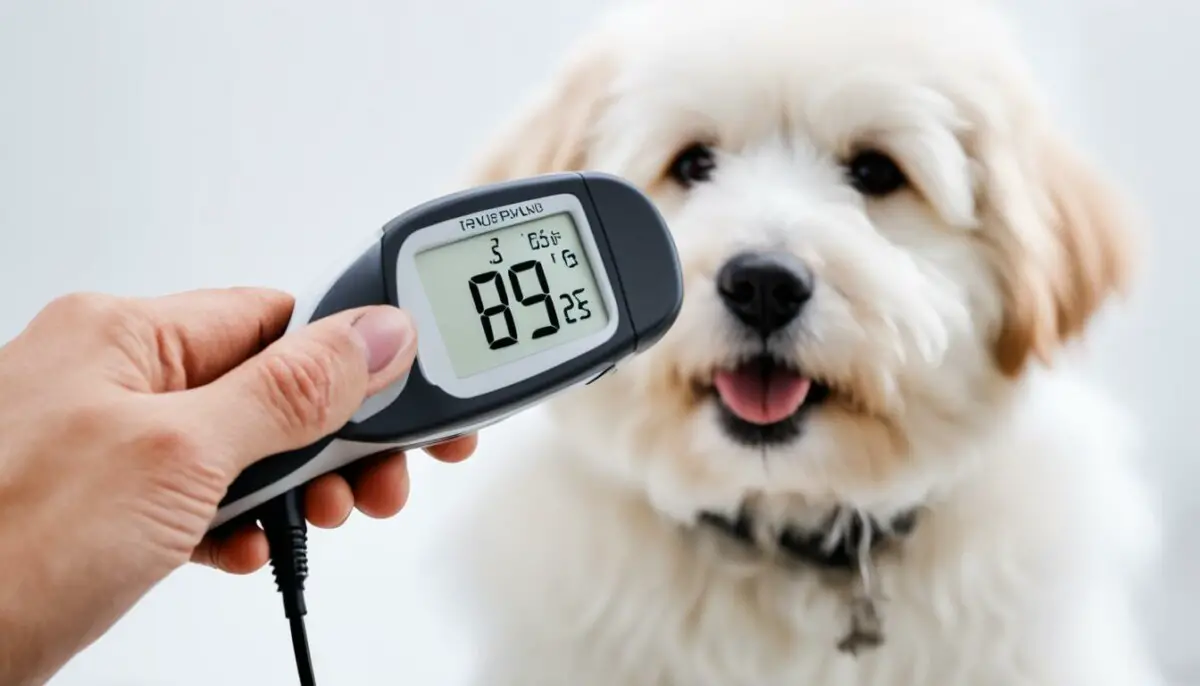
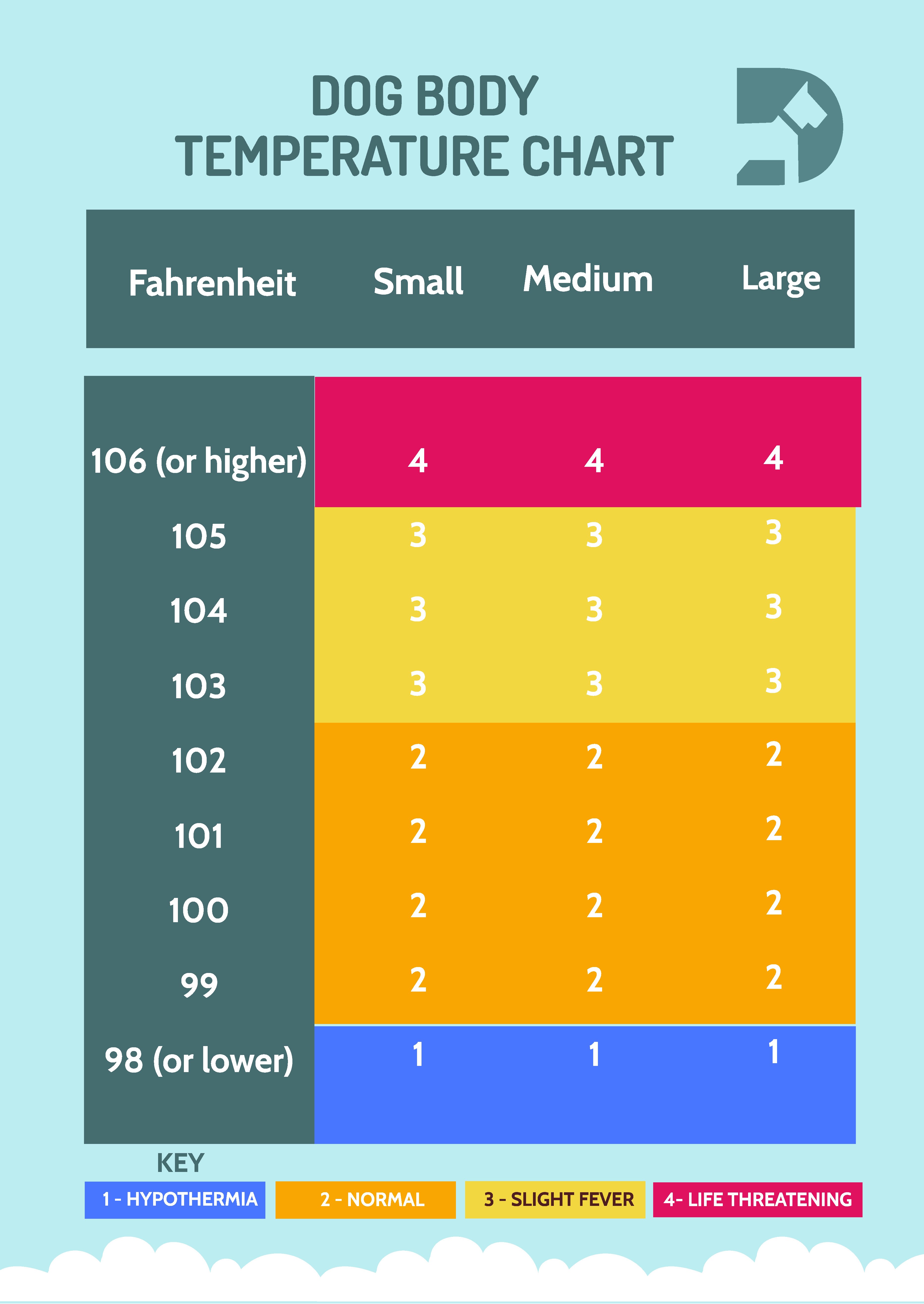
A dog’s normal body temperature is higher than a human’s average temperature. If illness is suspected, a veterinary thermometer provides more reliable information than touching the nose or ears.
Owners should contact a veterinarian when temperature changes appear with other symptoms.
Factors That Change Dog Temperature Perception
Dog temperature perception is not the same for every dog. Many factors affect how a dog reacts to heat and cold.
Understanding these factors helps owners create safer routines for walks, travel, and outdoor time.
- ✦ Age
Young puppies and older dogs often have less ability to manage temperature changes.
- ✦ Health
Medical conditions can affect a dog’s ability to regulate body heat.
- ✦ Coat type
Long, thick coats and short coats create different levels of protection.
- ✦ Environment
Humidity, wind, sunlight, and surface materials change how temperatures feel.
