
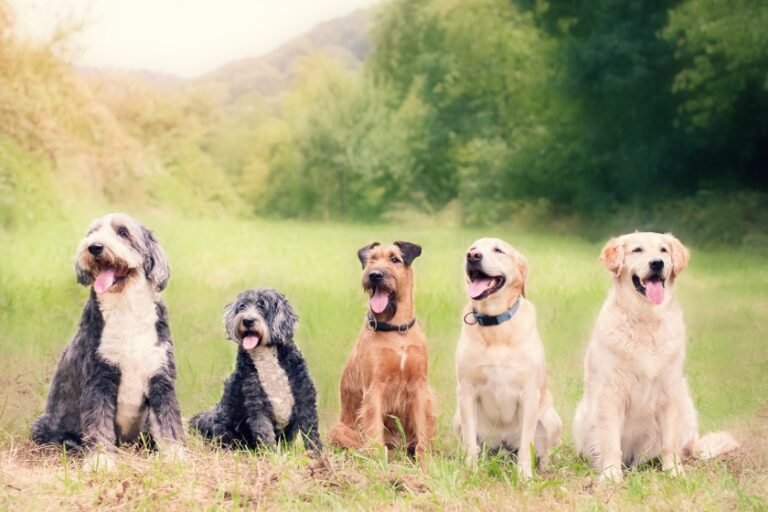
Dogs depend on daily patterns to feel safe and understand their world. A change in walking time, feeding schedule, home environment, or family routine can create confusion. The way a dog reacts often depends on breed traits, personality, age, and previous experiences.
From working with dog behavior topics, one lesson is clear: sudden changes often create more stress than the change itself. Most dogs can learn new routines when owners introduce changes in small steps and keep important habits stable.

Understanding why dog breed routine changes affect behavior
Dogs are creatures of habit. They learn when meals happen, when walks start, and when family members leave or return. When these patterns change, dogs may need time to understand the new rhythm.
Dog breed routine changes can look different across breeds. A highly active breed may become restless when exercise times move, while a relaxed companion breed may show mild stress through changes in sleep or appetite.

- ✦ Predictability
Regular routines help dogs know what happens next and reduce uncertainty.
- ✦ Breed instincts
Herding, sporting, guarding, and companion breeds may respond differently to schedule changes.
- ✦ Emotional security
Stable daily habits help dogs feel comfortable during life transitions.
How breed traits influence routine adaptation
A Border Collie may notice small schedule changes because it is bred for focus and activity. A Bulldog may adjust differently because it usually has lower exercise needs. Understanding natural breed tendencies helps owners create better transitions.
- ✦ High-energy breeds
These dogs often need consistent activity and mental challenges during routine changes.
- ✦ Companion breeds
These dogs may focus more on social connection and family presence.
Common situations that cause dog breed routine changes
Many American dog owners experience routine changes because of work schedules, moving homes, family changes, or seasonal activities. Even positive events can create adjustment periods for dogs.
The key is not avoiding every change. Dogs need flexibility. The goal is to teach them that new routines are safe and manageable.
- ✦ Moving to a new home
A new location changes smells, sounds, walking routes, and familiar spaces.
- ✦ Owner schedule changes
New work hours or travel patterns can affect feeding and attention times.
- ✦ New family members
Babies, roommates, or other pets can change household routines.
Seasonal routine changes
Weather changes can affect outdoor activities, especially in areas with hot summers or cold winters. Dogs may need different walk times, exercise levels, and indoor enrichment options.
- ✦ Summer adjustments
Walks may move to cooler morning or evening hours.
Signs your dog is struggling with a new routine
Dogs communicate through behavior. When dog breed routine changes happen too quickly, some dogs show stress signals that owners can notice early.
Small changes do not always mean a serious problem. However, repeated behavior changes deserve attention and careful observation.
- ✦ Changes in appetite
Some dogs eat less when they feel uncertain about changes around them.
- ✦ Restlessness
Pacing, whining, or increased activity may show difficulty adjusting.
- ✦ Bathroom changes
Stress can sometimes affect normal elimination habits.
When to seek professional help
If a dog shows extreme fear, aggression, or long-lasting behavior changes, a veterinarian or qualified dog behavior professional can help identify the cause.
- ✦ Long-term stress
Persistent changes may need expert guidance.
How to introduce dog breed routine changes successfully
A gradual approach works best for most dogs. Instead of changing everything at once, adjust one part of the routine at a time.
Owners should keep familiar signals during transitions. A favorite bed, regular command words, or normal feeding tools can provide comfort.
- ✦ Change slowly
Move schedules by small amounts over several days when possible.
- ✦ Keep core habits stable
Maintain consistent meals, sleep areas, and positive interactions.
- ✦ Reward calm behavior
Positive reinforcement helps dogs connect new routines with good experiences.
Creating a transition plan
A simple plan can include the old routine, the new routine, and small steps between them. This approach makes dog breed routine changes easier for both dogs and owners.
- ✦ Track progress
Write down changes in eating, sleep, and behavior patterns.
The role of exercise, enrichment, and mental stimulation
Exercise is one of the strongest tools for helping dogs handle change. Physical activity reduces boredom and gives dogs a healthy outlet for energy.
Mental enrichment also matters. Puzzle toys, scent games, and training sessions can help dogs feel confident when their environment changes.
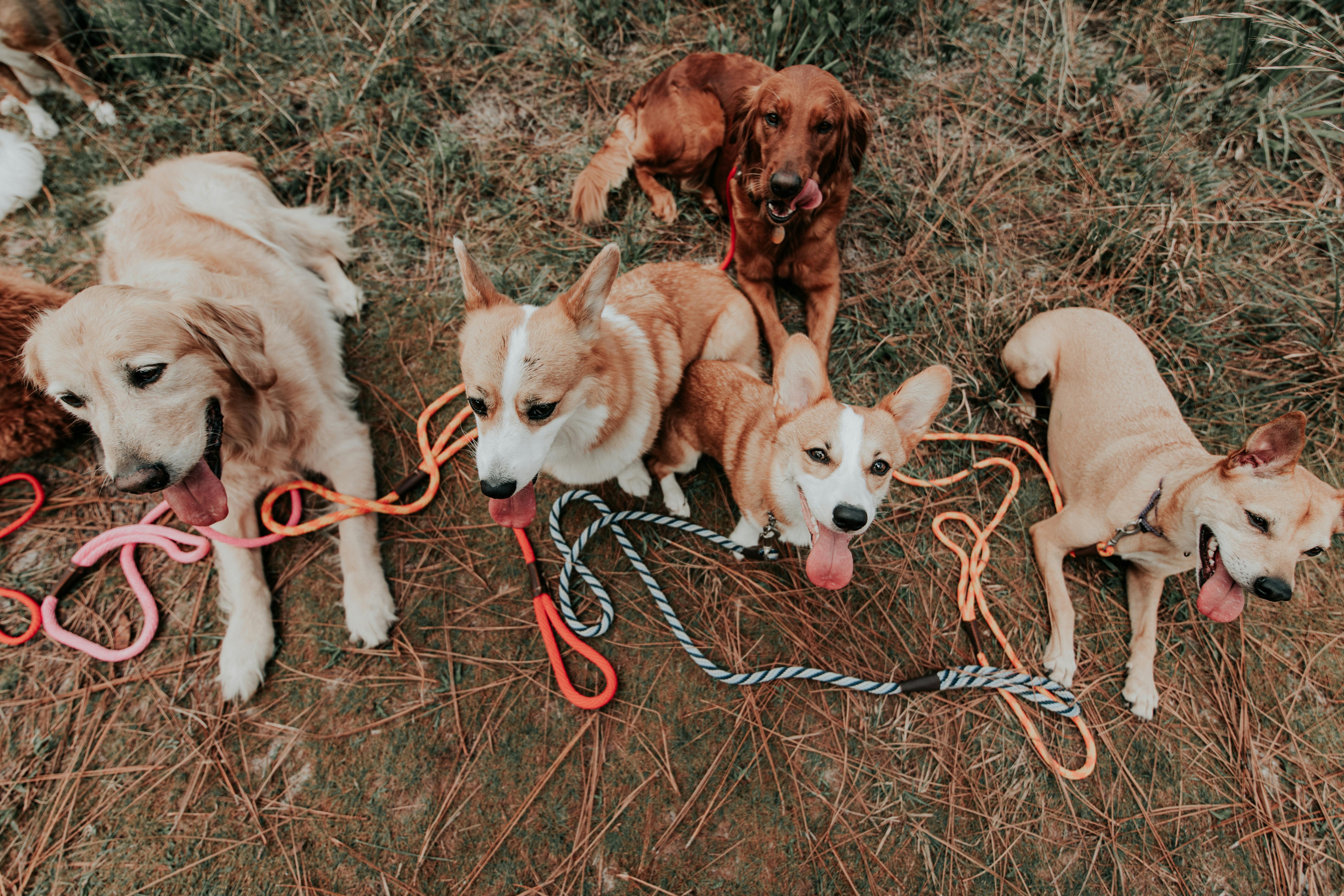
- ✦ Daily movement
Regular walks and play support physical and emotional balance.
- ✦ Brain activities
Training and problem-solving games help dogs adapt.
Matching activities to breed needs
Different breeds need different levels of activity. A working breed may need more structured tasks, while a smaller companion dog may benefit from shorter activities with more social interaction.
- ✦ Breed-based planning
Choose activities that match natural energy levels and abilities.
