
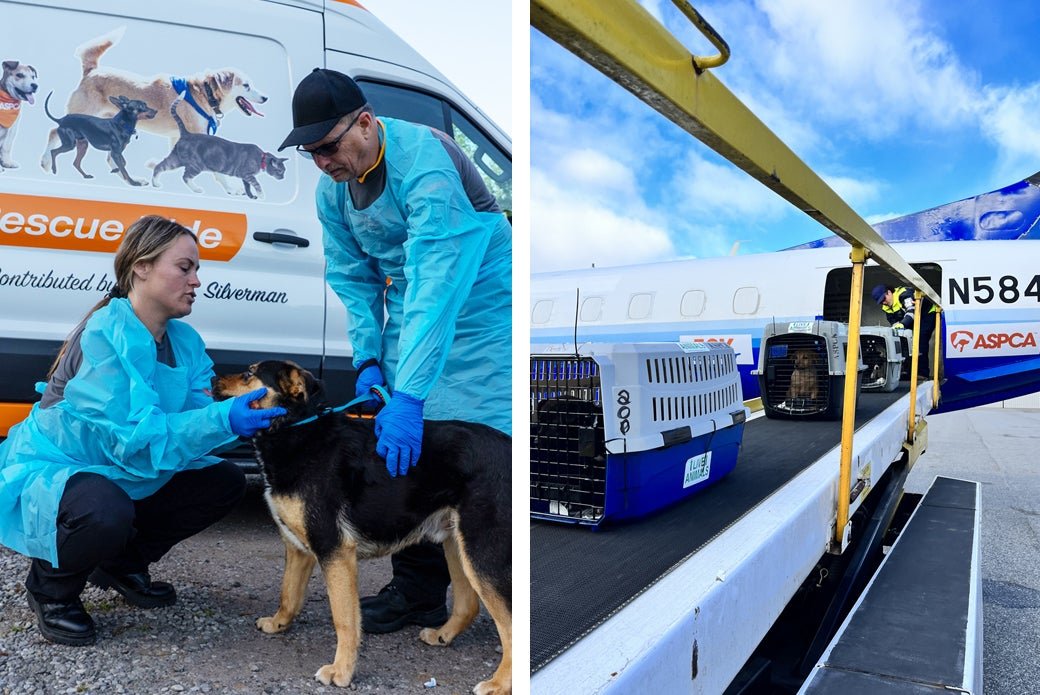
Dog breed relocation adjustment means helping dogs adapt to a new home, routine, and environment after moving.
Moving can be exciting for people, but it can feel confusing for dogs. Dogs rely on familiar smells, sounds, places, and daily habits. When those things change, many dogs need time to understand that their new home is safe.
From my experience studying dog behavior and pet care topics, I have found that successful Dog breed relocation adjustment is less about the distance of the move and more about how owners manage the transition. A calm plan, familiar items, and steady routines can make a major difference.
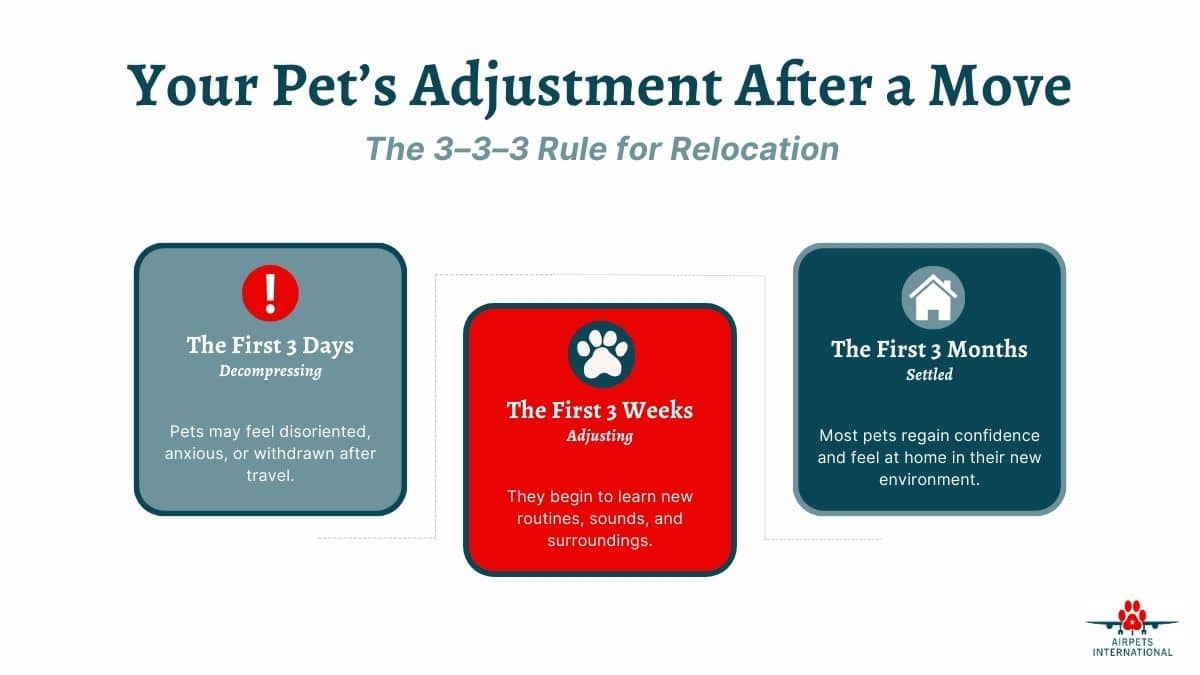
Understanding Dog Breed Relocation Adjustment
Dog breed relocation adjustment describes the process a dog goes through after leaving a familiar place and entering a new environment. This change can include a new house, city, climate, family routine, or neighborhood.
Every dog reacts differently. Some dogs explore a new home within minutes, while others hide, bark, or show stress for several weeks. Breed history can influence these reactions because different breeds were developed for different tasks and environments.
- ✦ Breed background
Working breeds may need more activity and purpose after relocation, while companion breeds may focus more on staying close to their owners.
- ✦ Individual personality
A confident dog may adjust quickly, while a sensitive dog may need extra time and support.
Why Moving Changes Dog Behavior
Dogs understand the world through scent, routine, and familiar patterns. A new home removes many signals that helped them feel secure.
Common changes include sleeping differently, eating less, following owners closely, or showing unusual vocal behavior.
- ✦ Loss of familiar signals
New smells and sounds can make a dog feel uncertain until they learn the area.
How Different Dog Breeds Handle Relocation
Breed traits can affect Dog breed relocation adjustment because dogs have different energy levels, social needs, and sensitivity levels. A high-energy herding breed may struggle without activity, while a relaxed breed may need less change.
Owners should look at the individual dog instead of assuming every dog of the same breed will react the same way.
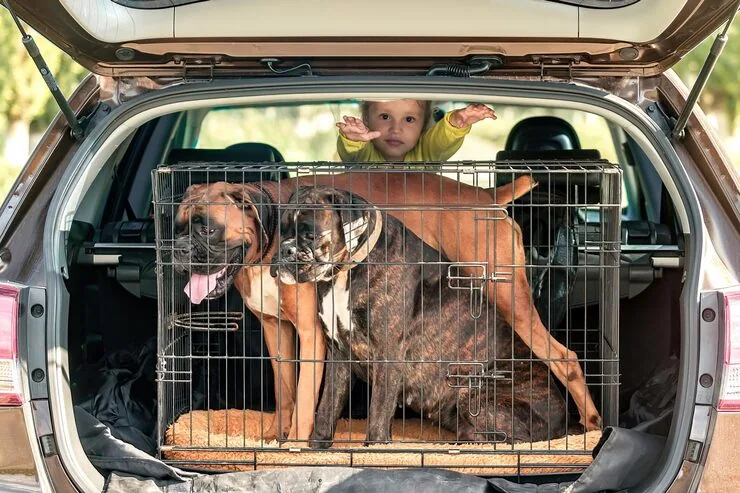
- ✦ High-energy breeds
Dogs such as Border Collies or Australian Shepherds often need exercise and mental stimulation during relocation.
- ✦ Sensitive breeds
Some dogs need a quiet space and gradual introductions to new people and places.
Small Dogs and Relocation
Many small dogs form strong attachments to their owners. A familiar person, blanket, or toy can help them feel secure during a move.
- ✦ Comfort objects
Keeping familiar items nearby can reduce uncertainty.
Common Signs Your Dog Is Struggling After a Move
A dog may show stress after relocation through changes in behavior. These signs do not always mean a serious problem, but they show that your dog needs support.
Good owners watch patterns instead of reacting to one small behavior change.

- ✦ Eating changes
Some dogs eat less during the first days because stress affects appetite.
- ✦ Hiding or avoiding
A dog may seek quiet spaces while learning about the new home.
- ✦ New habits
Whining, pacing, or extra barking may appear during adjustment.
Steps to Improve Dog Breed Relocation Adjustment
The best Dog breed relocation adjustment plans create safety before expecting confidence. Dogs learn through repeated positive experiences.
A simple routine helps dogs understand that meals, walks, and family time will continue even in a new location.
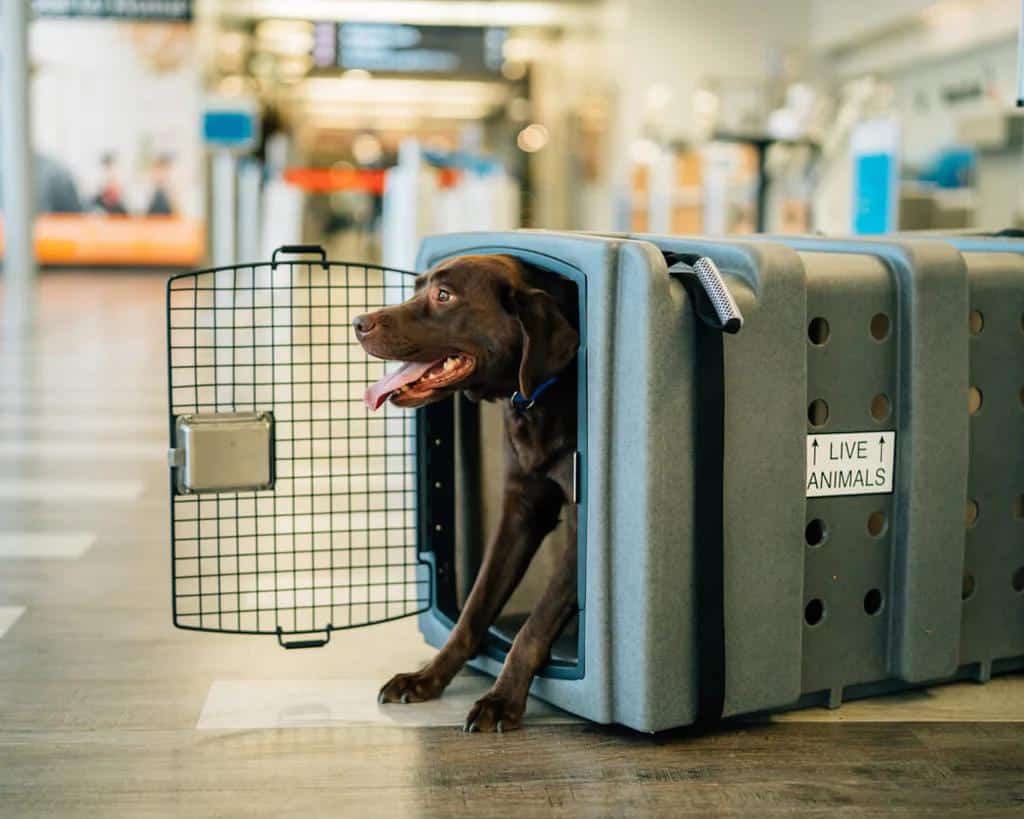
- ✦ Create a safe area
Set up a quiet place with your dog’s bed, toys, and familiar smells.
- ✦ Keep daily routines
Maintain regular feeding, walking, and sleeping schedules.
- ✦ Explore slowly
Allow your dog to discover new rooms and outdoor areas at a comfortable pace.
Preparing Before the Move
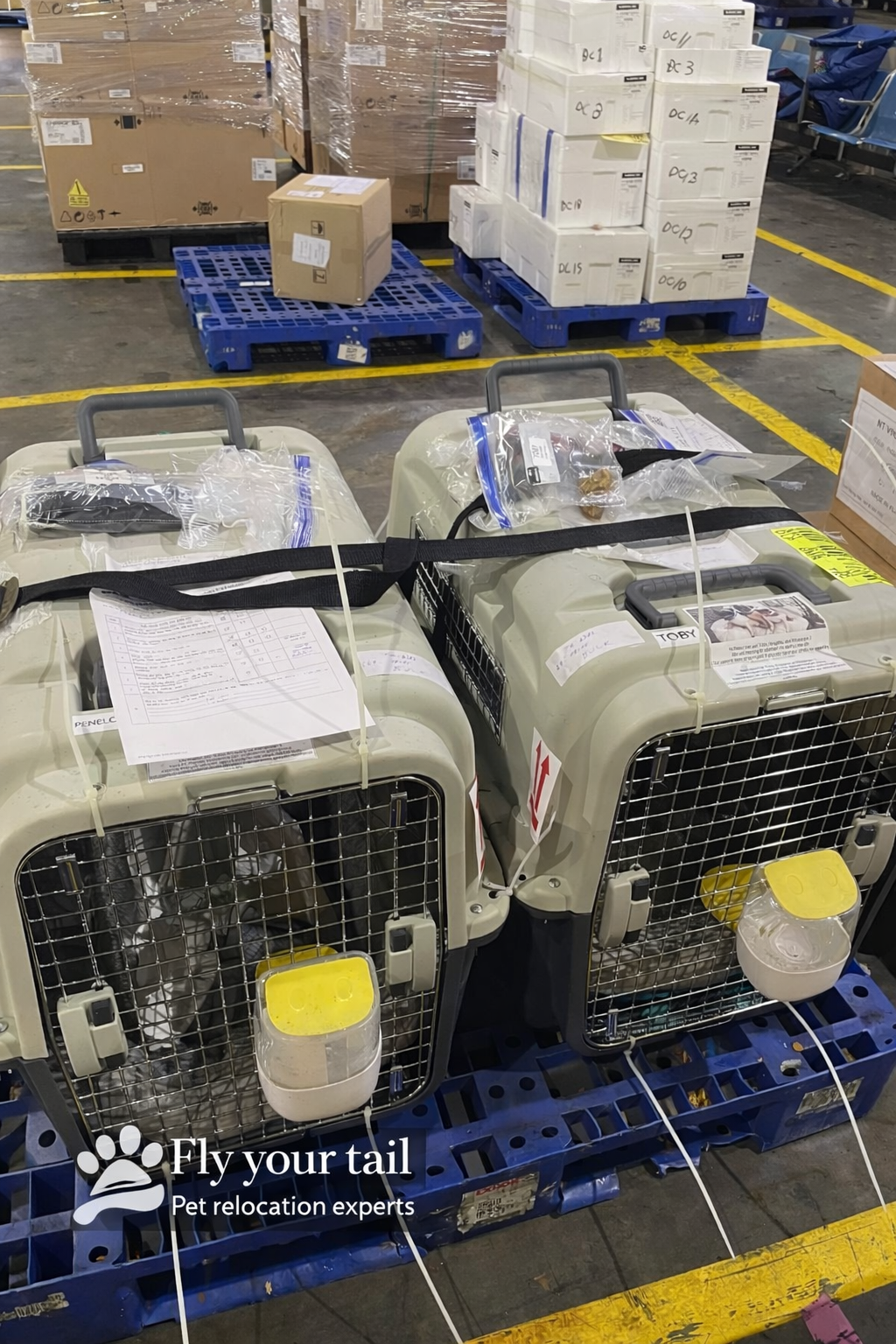
Preparation can reduce stress before relocation day. Practice with travel carriers, car rides, and new routines when possible.
A planned transition gives dogs more confidence when the actual move happens.
- ✦ Update records
Keep veterinary information, identification tags, and important documents ready.
Helping Dogs Adjust to a New Environment in the USA
In the United States, relocation often means major lifestyle changes. A dog may move from a quiet rural home to a busy city apartment or from a warm region to a colder climate.
Owners should consider local weather, walking areas, noise levels, and nearby services when planning Dog breed relocation adjustment.
- ✦ Climate changes
Dogs may need time and care when adapting to different temperatures.
- ✦ New neighborhoods
Short walks help dogs learn new smells and safe routes.
