
Every dog has a unique way of playing. A Border Collie may love chasing and solving puzzles, while a Labrador Retriever may prefer fetching a ball for hours. These differences come from breed history, natural instincts, and life experiences.
After observing many dogs in training and daily routines, one lesson stands out: the best play happens when owners understand what their dogs enjoy. The right game can build trust, reduce boredom, and support a healthier relationship.

What Are Dog Breed Play Styles?
Dog breed play styles describe the common ways dogs choose to interact during fun activities. Some dogs love chasing, some enjoy wrestling, and others prefer using their noses or solving problems.
A dog’s breed can influence its natural play habits, but breed alone does not decide everything. A dog’s age, health, past experiences, and training also shape how it plays.
- ✦ Chase play
Many herding and sporting breeds enjoy running after moving objects because movement activates their natural instincts.
- ✦ Object play
Some dogs enjoy carrying, chewing, fetching, or solving toys because they like working with objects.
- ✦ Social play
Some dogs gain the most enjoyment from playing with people or other dogs through friendly interaction.
Why Play Style Matters
Understanding dog breed play styles helps owners avoid frustration. A dog that ignores a ball may not be lazy. It may simply prefer scent games or food puzzles.
Matching activities to a dog’s natural preferences creates better learning and stronger engagement.
Common Types of Dog Breed Play Styles
Dogs show many forms of play. Some styles are linked to breed purpose, such as retrieving, guarding, hunting, or herding. Others are personal choices developed over time.
Knowing these patterns helps American dog owners choose activities that fit home life, parks, and outdoor adventures.
- ✦ The Chaser
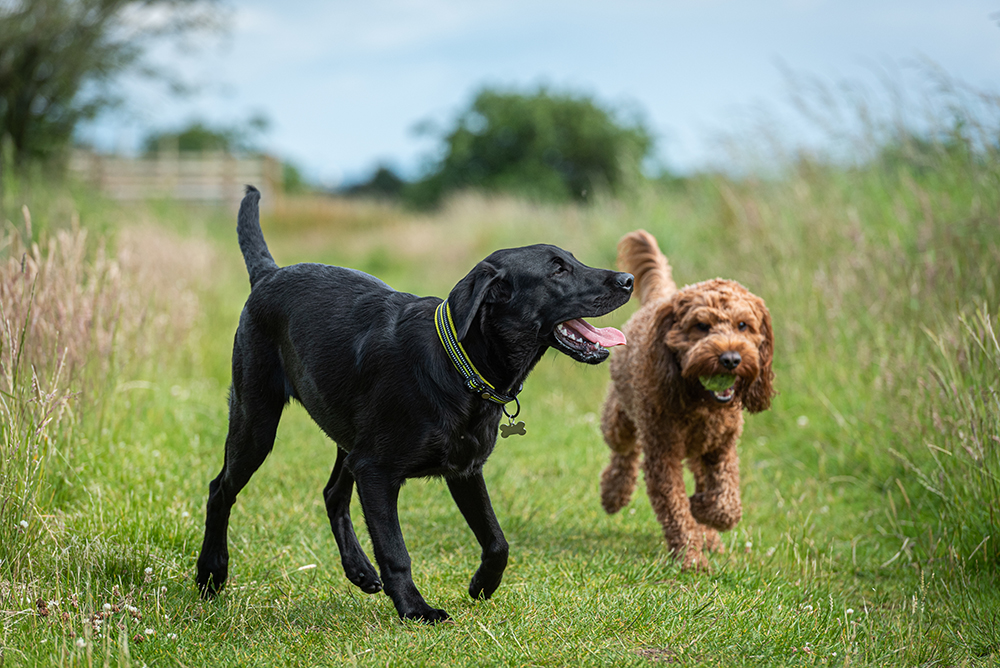
Chasers enjoy running games, flirt poles, and moving toys. Many energetic breeds show this style.
- ✦ The Retriever
Retrievers often enjoy bringing items back and repeating the same game many times.
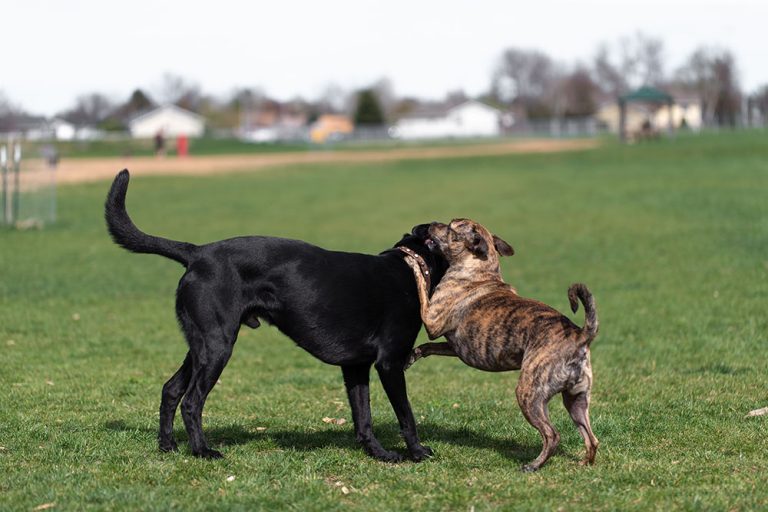
- ✦ The Wrestler
Wrestlers enjoy body movement, gentle pushing, and playful interactions with suitable partners.
- ✦ The Explorer
Explorers prefer sniffing, searching, and discovering new environments.
Breed Examples and Play Preferences
Labradors often enjoy fetch because retrieving was part of their original working role. Border Collies often enjoy games that involve movement and problem solving.
Terriers may enjoy digging, chasing, and interactive toys because many were bred for hunting small animals. These are common tendencies, not strict rules.
How Genetics Influence Dog Play Behavior
Many dog breeds were created for specific jobs. Those jobs shaped instincts that still appear during play today.
A herding dog may try to control movement during games. A hunting breed may follow scents. A guardian breed may prefer watching and interacting calmly.
- ✦ Working background
A breed’s historical purpose can influence the activities that feel rewarding.
- ✦ Energy level
High-energy dogs often need more physical and mental play each day.
- ✦ Problem-solving needs
Smart breeds may enjoy puzzles and training games more than simple repetition.
Reading Your Dog’s Play Signals
Safe play depends on understanding body language. Dogs communicate through posture, movement, facial expressions, and sounds.
Healthy play usually includes relaxed bodies, role changes, and short breaks. Problems can happen when one dog feels trapped or overwhelmed.

- ✦ Play bow
A dog lowers the front body while keeping the rear raised. This often invites friendly play.
- ✦ Taking turns
Balanced dogs switch roles during chasing or wrestling games.
- ✦ Break signals
Turning away, hiding, or freezing may show a dog needs space.
Play Versus Conflict
Fast movement does not always mean aggression. Many dogs play loudly with barking, running, and dramatic movements.
Owners should look at the full picture, including body tension, willingness to continue, and whether both dogs enjoy the interaction.
Choosing Games Based on Your Dog’s Play Style
The best games match what a dog naturally enjoys. Owners do not need expensive equipment to create meaningful play.
Simple activities can provide exercise, mental stimulation, and bonding time when they fit the dog’s preferences.

- ✦ For chase lovers
Try recall games, safe running activities, and moving toys.
- ✦ For thinkers
Use puzzle feeders, scent games, and training challenges.
- ✦ For social dogs
Plan controlled play sessions with suitable people or dogs.
How Age Changes Dog Play Styles
Puppies often play with high energy because they are learning social skills and exploring the world. Adult dogs may develop more specific preferences.
Senior dogs may still enjoy play but often need slower games that protect joints and support comfort.

- ✦ Puppies
Need gentle play that teaches confidence and good manners.
- ✦ Adult dogs
Usually have clearer preferences based on personality and experience.
- ✦ Senior dogs
Often benefit from calm enrichment and low-impact activities.
