
Dog breed toy preferences are not random. A Border Collie may enjoy puzzle toys because of its problem-solving nature, while a Labrador Retriever may prefer fetching toys because of its retrieving background. Understanding these patterns helps dog owners choose toys that feel natural and rewarding.
In my experience studying dog behavior and daily pet routines, the best toy is not always the most expensive one. It is the toy that matches how a dog thinks, moves, and plays. A good match can reduce boredom, support training, and create stronger human-dog connections.
American dog owners often have busy schedules, so choosing the right toys can help dogs stay active and engaged when families are away. This guide explains how Dog breed toy preferences work and how to select better options for different breeds.

How genetics influence Dog breed toy preferences
A dog’s breed history plays a major role in its favorite activities. Many breeds were created for specific jobs, and their toy choices often reflect those old tasks.
Dogs bred for hunting may enjoy toys that mimic chasing or finding prey. Herding breeds often like toys that require movement and quick decisions. Companion breeds may prefer soft toys and interactive games with their owners.

- ✦ Working instincts
Dogs developed for jobs often enjoy toys that let them practice natural skills like chasing, carrying, searching, or problem solving.
- ✦ Breed personality
Some breeds are naturally more playful, independent, focused, or gentle, which changes their preferred toy types.
- ✦ Individual differences
Even dogs from the same breed can have different favorites based on age, experiences, and personality.
Why two dogs of the same breed may like different toys
Breed gives clues, but it does not decide everything. A young Golden Retriever may love a tennis ball, while another Golden Retriever may prefer a soft stuffed toy.
Owners should watch how their dog interacts with toys. The way a dog grabs, carries, chews, or ignores a toy reveals its true preference.
- ✦ Observe play habits
Notice whether your dog enjoys chewing, chasing, solving, shaking, or carrying toys.
Common toy categories and the dogs that prefer them
Different toys serve different purposes. Some dogs need physical exercise, while others need mental challenges. Matching the toy type with the dog’s needs creates better play sessions.
Dog breed toy preferences often become clearer when owners understand the main categories of dog toys.
- ✦ Fetch toys
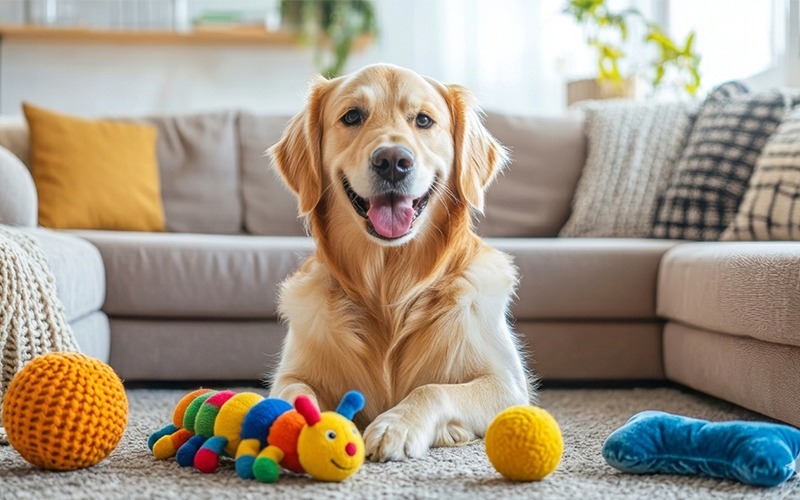
Balls, frisbees, and retrieval toys are often popular with breeds that enjoy running and carrying objects.
- ✦ Puzzle toys
Interactive toys that hide treats can keep intelligent and curious dogs mentally active.
- ✦ Chew toys
Durable chew toys may suit strong chewers and dogs that need a safe outlet for chewing behavior.
- ✦ Comfort toys
Soft toys can provide comfort for puppies, small breeds, and dogs that enjoy carrying objects.
Toy preferences among popular dog breed groups
Each breed group has common traits that can influence toy choices. These patterns help owners make better first choices when buying toys.
However, every dog should be treated as an individual. Breed information is a starting point, not a strict rule.

- ✦ Sporting breeds
Retrievers and similar breeds often enjoy balls, water toys, and toys they can carry.
- ✦ Herding breeds
These dogs often enjoy puzzle toys, training games, and activities that require focus.
- ✦ Terrier breeds
Many terriers enjoy chase games and toys that allow digging, shaking, or problem solving.
- ✦ Toy breeds
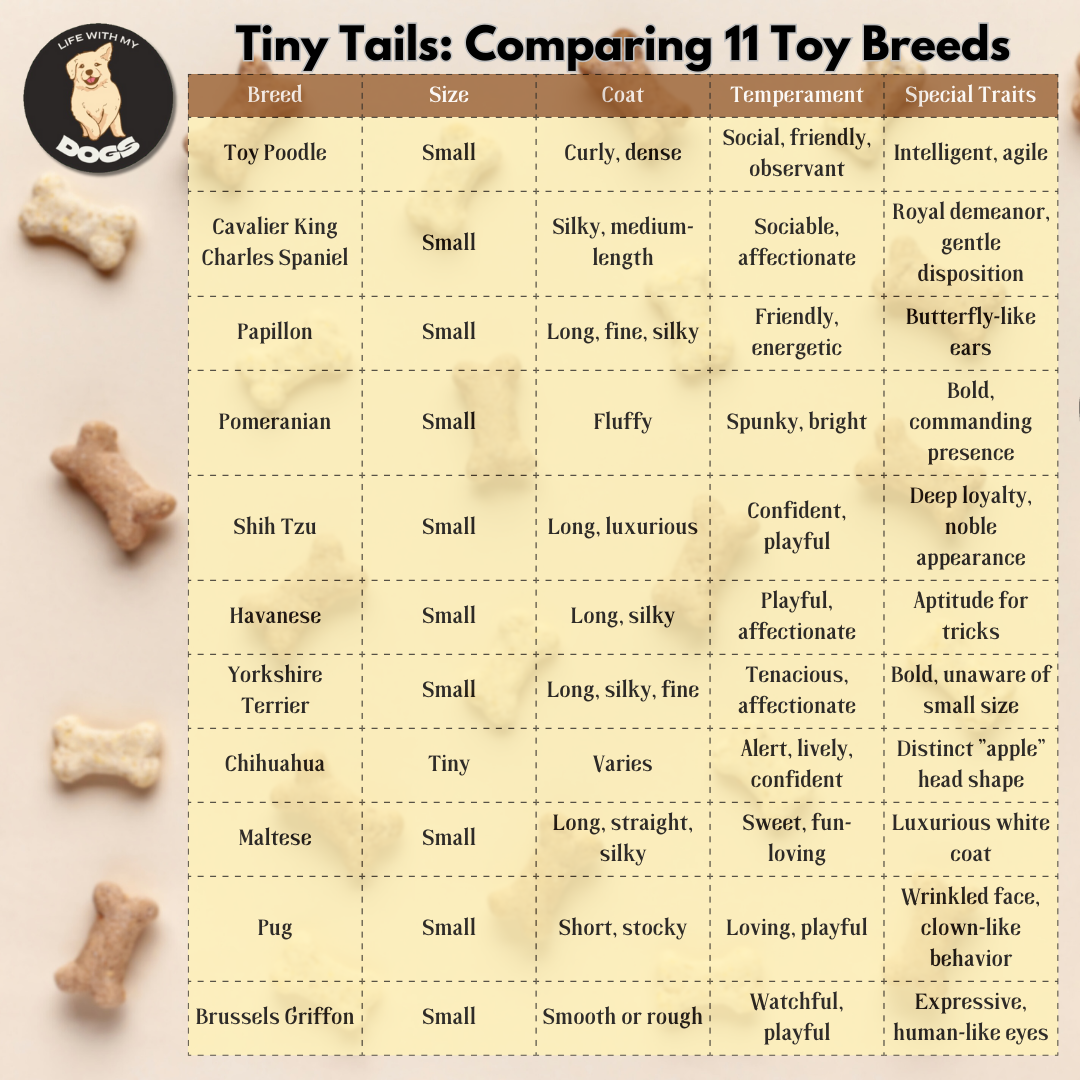
Small companion dogs may prefer lightweight toys that are easy to carry and interact with.
Small dogs and toy selection
Small dogs need toys that fit their mouths and body size. A large toy may feel difficult or frustrating for a small breed.
Many small breeds enjoy soft toys, gentle chew toys, and interactive games that involve their owners.
- ✦ Size matters
Choose toys that are large enough to be safe but small enough for comfortable play.
How age and life stage change dog toy preferences
Dog breed toy preferences can change throughout a dog’s life. Puppies often explore with their mouths, while adult dogs may develop stronger preferences.
Senior dogs may enjoy slower games and softer toys that match their changing energy levels.
- ✦ Puppies
Puppies often need safe chew toys that support exploration and teething.
- ✦ Adult dogs
Adult dogs usually benefit from a mix of exercise toys and mental enrichment toys.
- ✦ Senior dogs
Older dogs often prefer comfortable toys and gentle activities.
How to choose the right toy for your dog’s personality
Personality is one of the strongest factors behind Dog breed toy preferences. A calm dog may enjoy quiet chewing, while an energetic dog may need active games.
Owners should test different toy styles and track which ones create excitement and healthy engagement.
- ✦ For active dogs
Choose toys that encourage running, chasing, and movement.
- ✦ For smart dogs
Use puzzle toys and training-based games to challenge the mind.
- ✦ For heavy chewers
Select durable toys designed for strong chewing habits.
