
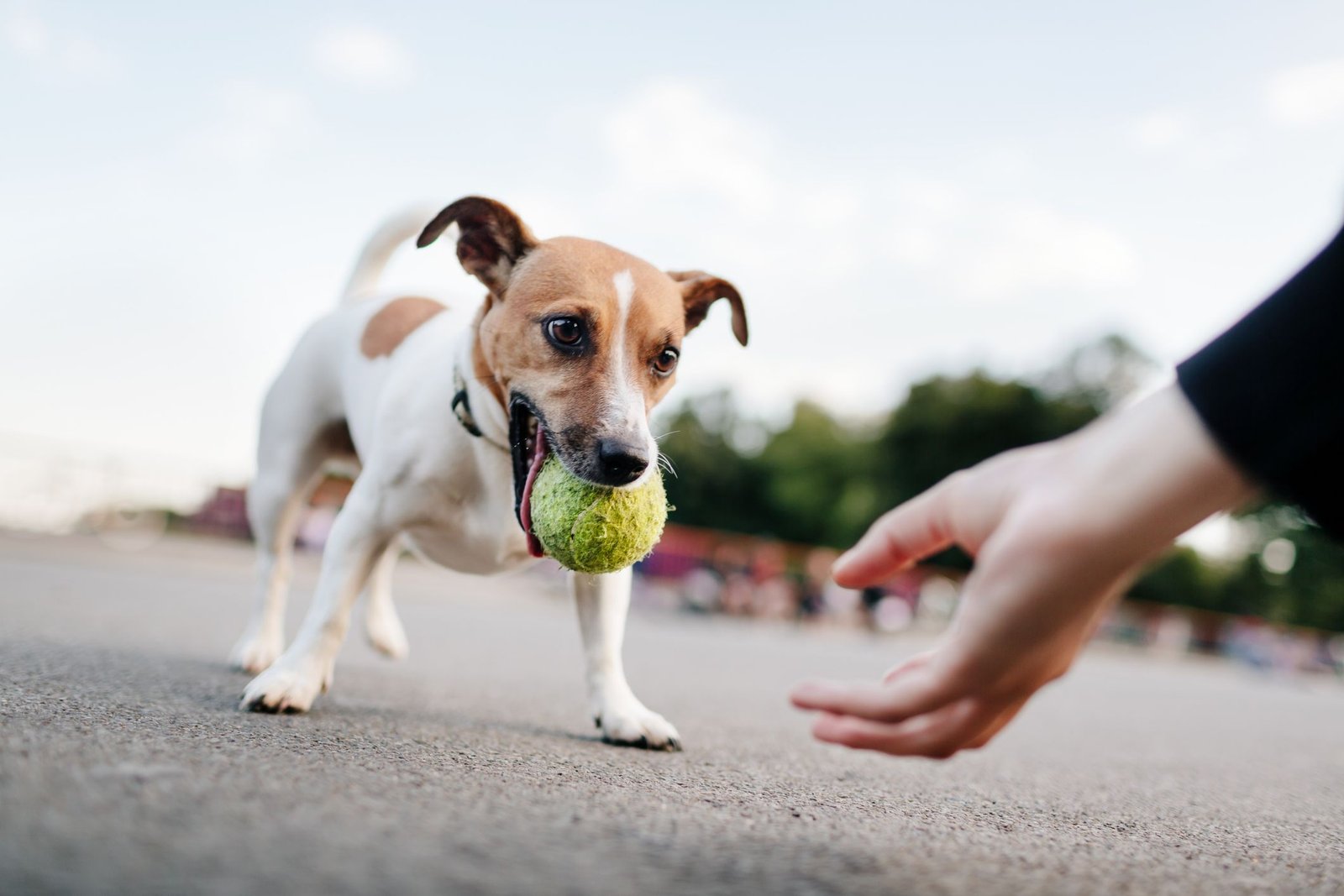
Fetch is one of the most popular games for dogs in the United States. Many owners use it as a simple way to provide exercise, mental stimulation, and bonding time. However, not every dog reacts to a thrown ball in the same way.
Through studying dog behavior and training methods, I have found that fetch success often comes from understanding the dog’s natural drives. A Border Collie may chase because of movement control, while a Labrador Retriever may retrieve because carrying objects matches its original purpose.
Understanding **Dog breed fetch behavior** helps owners choose better games, avoid frustration, and create activities that fit their dog’s needs.
 display: block; margin: 0 auto; border-radius: 12px; box-shadow: 0 8px 25px rgba(0, 0, 0, 0.12);”>
What Is Dog Breed Fetch Behavior?
Dog breed fetch behavior describes how different breeds respond to retrieving games. It includes chasing, grabbing, carrying, returning, and repeating the activity.
Some dogs naturally complete the full fetch cycle. Others enjoy only parts of the game, such as chasing the toy but not bringing it back. This difference comes from instinct, learning history, and motivation.
- ✦ Chase drive
Many dogs enjoy fast movement and will naturally run after balls, toys, or flying objects.
- ✦ Retrieval instinct
Some breeds were developed to carry items gently, making them more likely to enjoy returning objects.
- ✦ Social motivation
Some dogs fetch because the game creates interaction and attention with their owner.
Why Some Dog Breeds Are Better at Fetch
Breed history plays a major role in **Dog breed fetch behavior**. Humans developed many dog breeds for specific jobs, and some jobs required carrying or retrieving objects.
Retrieving breeds often show strong interest in fetch because the activity connects with their original work. Still, breed tendencies do not guarantee behavior. Every dog has its own personality.
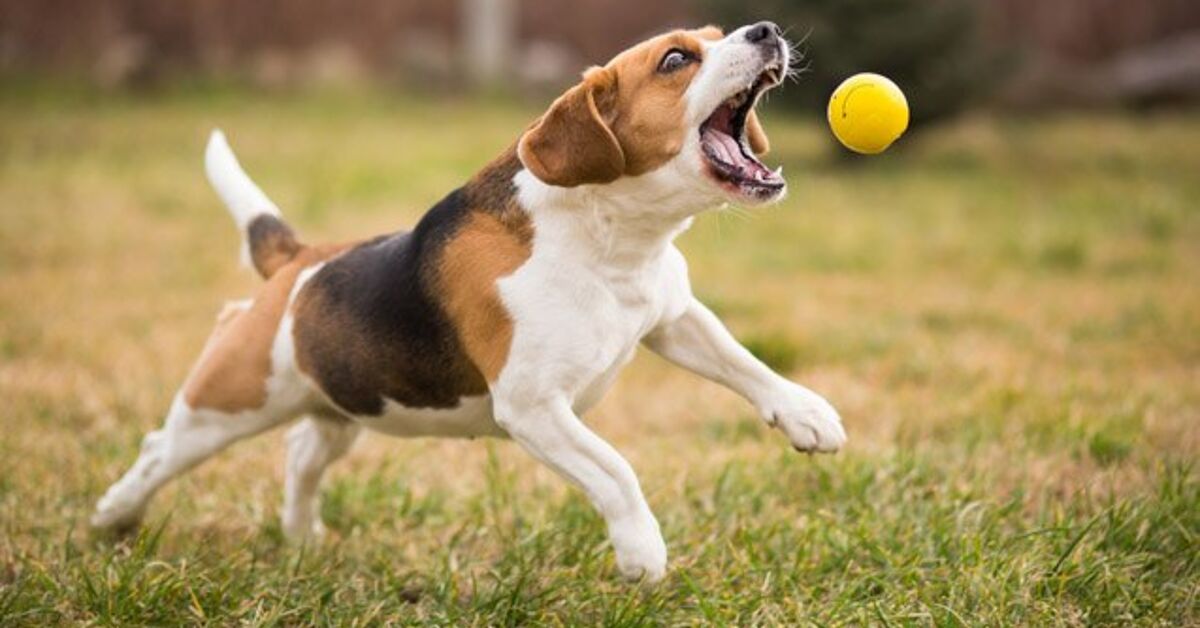
- ✦ Labrador Retrievers
Labs often enjoy carrying toys and bringing objects back because retrieving was part of their historical working role.
- ✦ Golden Retrievers
Golden Retrievers commonly enjoy cooperative games and may respond well to reward-based fetch training.
- ✦ Border Collies
Border Collies may enjoy fetch because it combines movement, focus, and problem solving.
The Role of Genetics and Training
Genes influence natural tendencies, but training shapes the final behavior. A dog with little retrieving instinct can still learn to enjoy fetch.
Early positive experiences matter. Dogs that learn fetch as a fun activity often develop stronger interest over time.
- ✦ Natural ability
Some dogs understand retrieving games faster because the behavior matches their instincts.
- ✦ Learned skill
Training can teach dogs how to chase, hold, return, and release a toy.
Common Fetch Styles Among Different Dogs
Dogs show different fetch styles based on energy level, confidence, and motivation. Learning these styles helps owners create better play sessions.
A dog that refuses to return a toy is not always being stubborn. The dog may need clearer training, a different reward, or a more exciting toy.

- ✦ The natural retriever
This dog quickly chases, grabs, returns, and waits for another throw.
- ✦ The chaser
This dog loves running after toys but may lose interest after catching them.
- ✦ The collector
This dog gathers toys and keeps them instead of bringing them back.
- ✦ The beginner
This dog needs simple steps and rewards to understand the game.
How to Teach Fetch to Any Dog Breed
Teaching fetch works best when owners break the game into small steps. Dogs learn faster when each action receives a clear reward.
A common mistake is throwing the toy too far too soon. Start close, build confidence, and increase distance slowly.
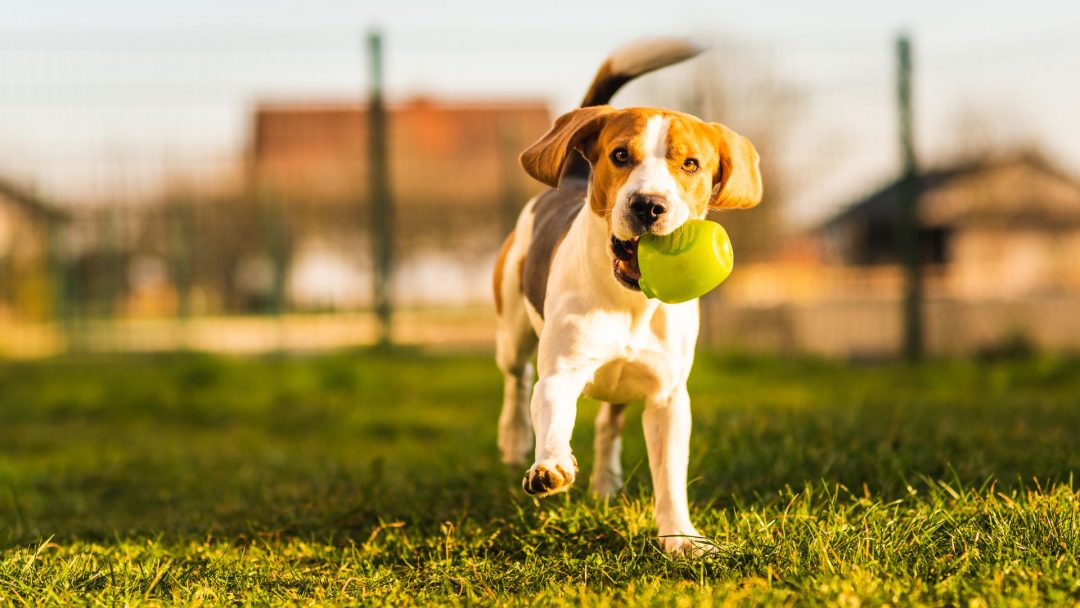
- ✦ Start with interest
Use a toy your dog already enjoys and reward attention toward the object.
- ✦ Reward the return
Give praise or treats when your dog brings the toy back near you.
- ✦ Practice short sessions
Several short games are often better than one long session.
Choosing the Right Fetch Toy
Toy choice can change **Dog breed fetch behavior**. Some dogs prefer balls, while others enjoy soft toys, ropes, or flying discs.
Safety matters. Choose toys that match your dog’s size and chewing habits.
- ✦ Small dogs
Use lightweight toys that are easy to carry and do not overwhelm the dog.
- ✦ Large dogs
Use durable toys that can handle stronger jaws and active play.
Benefits of Fetch for Dogs
Fetch provides more than physical exercise. It also gives dogs a chance to solve problems, practice impulse control, and interact with people.
For many American households, fetch is an easy backyard or park activity that fits into a daily routine.

- ✦ Physical activity
Running and carrying improve daily movement and help release energy.
- ✦ Mental stimulation
Finding, tracking, and returning toys create thinking challenges.
- ✦ Stronger bonding
Shared play builds trust between dogs and owners.
Problems That Affect Fetch Behavior
Not every dog enjoys fetch immediately. Fear, low interest, age, health limits, or past experiences can change how a dog responds.
Owners should focus on understanding the reason behind the behavior instead of forcing the game.
- ✦ No interest in toys
Some dogs need time to discover that toys can be rewarding.
- ✦ Resource guarding
Some dogs hold toys because they feel protective. Training should encourage safe sharing.
- ✦ Physical limits
Older dogs or dogs with health concerns may need shorter and gentler play.
