
Nitrite poisoning occurs when nitrite builds up, preventing fish blood from carrying oxygen.
I have kept and managed dozens of freshwater and brackish aquariums for years. I’ve seen tanks recover from sudden nitrite spikes and tanks fail when nitrite went unchecked. This guide explains what nitrite is, how nitrite poisoning happens, how to test and treat it, and practical tips to prevent future problems. Read on to learn clear, field-tested steps you can use today to protect your fish and keep nitrite under control.

What is nitrite and why it matters in aquariums
Nitrite is a dissolved nitrogen compound formed during the biological breakdown of fish waste, uneaten food, and decaying plant matter. In a healthy, cycled aquarium, bacteria convert ammonia to nitrite and then to relatively harmless nitrate. If that middle step stalls, nitrite accumulates and poses a direct oxygen-transport threat to fish. Monitoring nitrite keeps your tank safe and tells you when the nitrogen cycle is out of balance.
Causes of aquarium nitrite poisoning
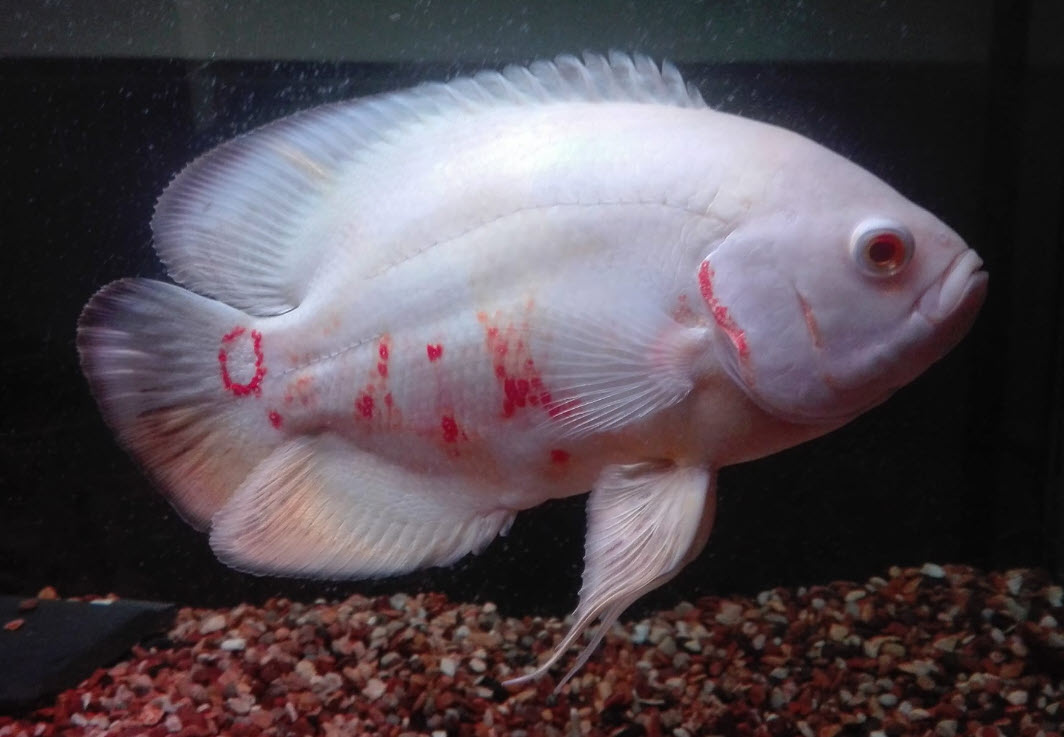
Nitrite buildup follows predictable patterns. A new tank often shows nitrite as bacteria establish. A sudden loss of beneficial bacteria or a boost in waste input can also cause nitrite to spike. Common triggers include filter cleaning mistakes, overfeeding, adding too many fish, medication that kills bacteria, and dying plants or animals in the tank.
- Cycling a new tank: Nitrite naturally rises after ammonia appears and before sufficient bacteria form to finish the cycle.
- Filter or media cleaning: Scrubbing or replacing filter media can remove nitrite-eating bacteria and cause a spike.
- Overfeeding and overcrowding: Extra food and waste raise ammonia, which converts to nitrite if bacteria cannot keep up.
- Medications and chemicals: Some antibiotics and copper treatments kill beneficial bacteria and disrupt the cycle.
 Source: reddit.com
How nitrite harms fish (physiology explained)
Nitrite enters fish through gills and binds to hemoglobin, forming methemoglobin. This reduces oxygen transport in the blood and causes a form of oxygen starvation called methemoglobinemia. Fish may gasp at the surface or show lethargy even in well-oxygenated water. Chronic low nitrite can stress immune systems, making fish more vulnerable to disease.
Signs and symptoms of nitrite poisoning
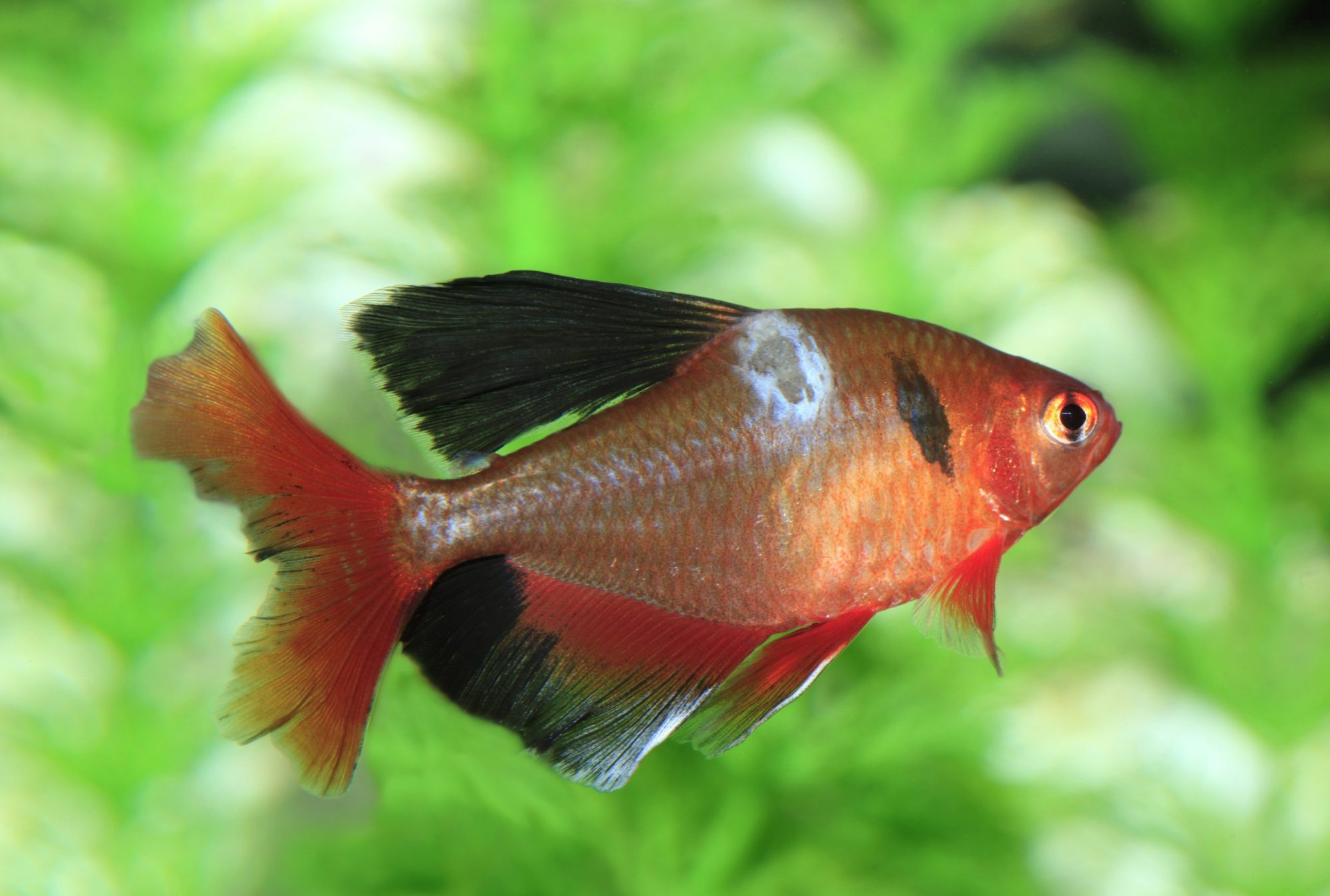
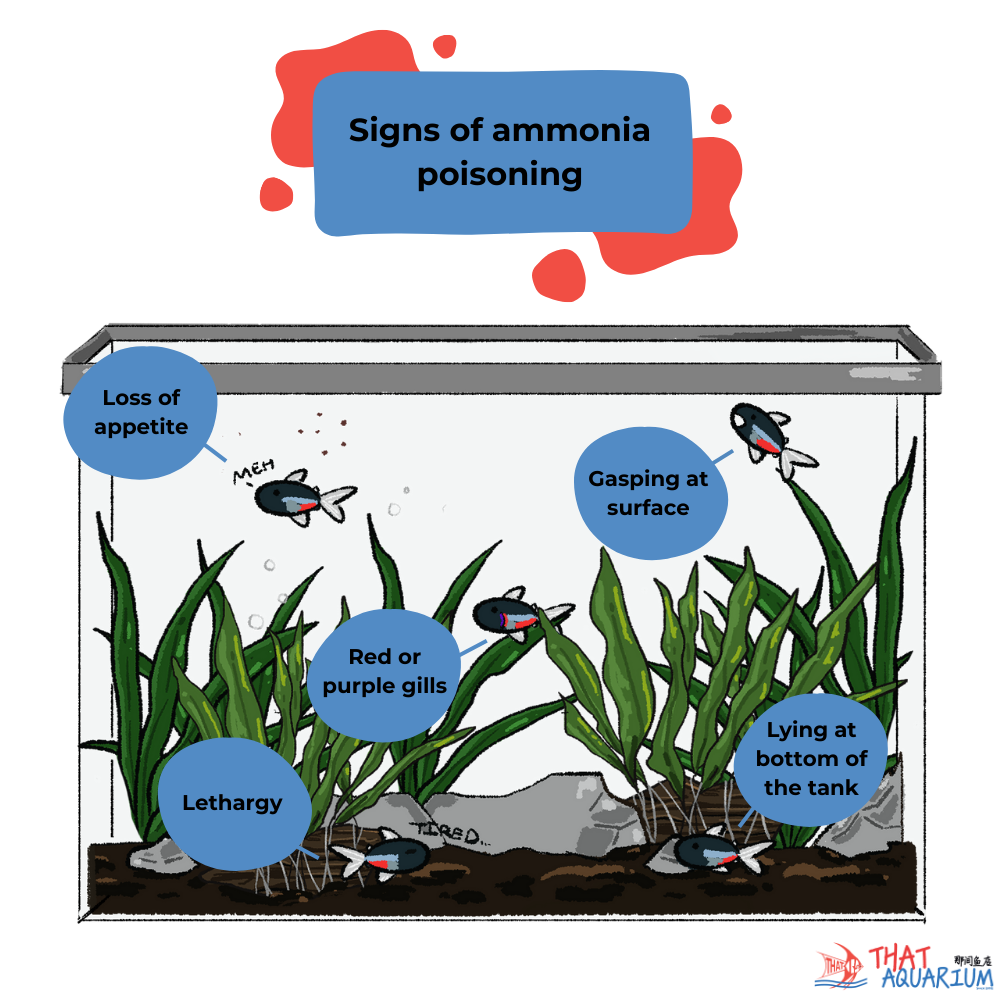
Symptoms can look like oxygen deprivation or general stress. Watch for rapid gill movement, gasping at the surface, pale or brownish gills, lethargy, and loss of appetite. Young or sensitive species show symptoms faster and at lower nitrite levels. If several fish show similar symptoms at once, test nitrite immediately.
- Gasping at the surface: A classic sign of impaired oxygen transport from nitrite.
- Brown or discolored gills: Hemoglobin changes can cause brownish gill tissue.
- Lethargy and clamped fins: Fish reduce activity as oxygen demand increases.
- Sudden deaths: Severe nitrite spikes can lead to rapid losses, especially in fry and smaller fish.
 Source: reddit.com
Testing and monitoring nitrite levels
Regular testing is the only reliable way to know nitrite levels. Use liquid test kits or high-quality strips; read results promptly and record them. Test more often after changes like adding fish, cleaning filters, or medication treatments. Keep a log with date, nitrite, nitrate, ammonia, and water changes to spot trends early.
- Test schedule: Test weekly in stable tanks and daily after a problem or during cycling.
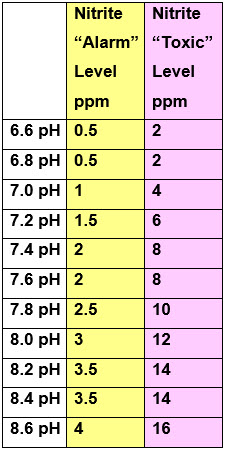
- Safe levels: Aim for nitrite at 0 ppm; anything above 0.25 ppm needs attention.
- Tools: Use accurate liquid kits for best results; reserve strips for quick checks.
 Source: aquariumscience.org
Emergency treatment and step-by-step fixes
Act fast when nitrite is elevated. The two immediate goals are to reduce nitrite and improve oxygen delivery to fish. Follow these steps calmly and in order to minimize stress and losses.
- Do a large partial water change: Replace 25–50% of tank water with dechlorinated water to dilute nitrite quickly.
- Add salt cautiously for freshwater tanks: 1 teaspoon per gallon (about 0.2%) can reduce nitrite uptake and ease stress; reduce or avoid for sensitive or brackish species.
- Increase aeration and flow: Use air stones or powerheads to improve oxygen at the gills.
- Suspend feeding for 24–48 hours: Reduce waste input while the system recovers.
- Add commercial nitrite binders or biological supplements: These can quickly lower nitrite or boost beneficial bacteria, but follow product instructions carefully.
- Monitor closely: Test nitrite daily and repeat water changes until nitrite reads 0 ppm.
 Source: reddit.com
Prevention and long-term control
Preventing nitrite problems is easier than fixing them. Build stable bacterial colonies and limit sudden shocks to the system. Adopt simple routines that protect the nitrogen cycle and lower nitrite risk.
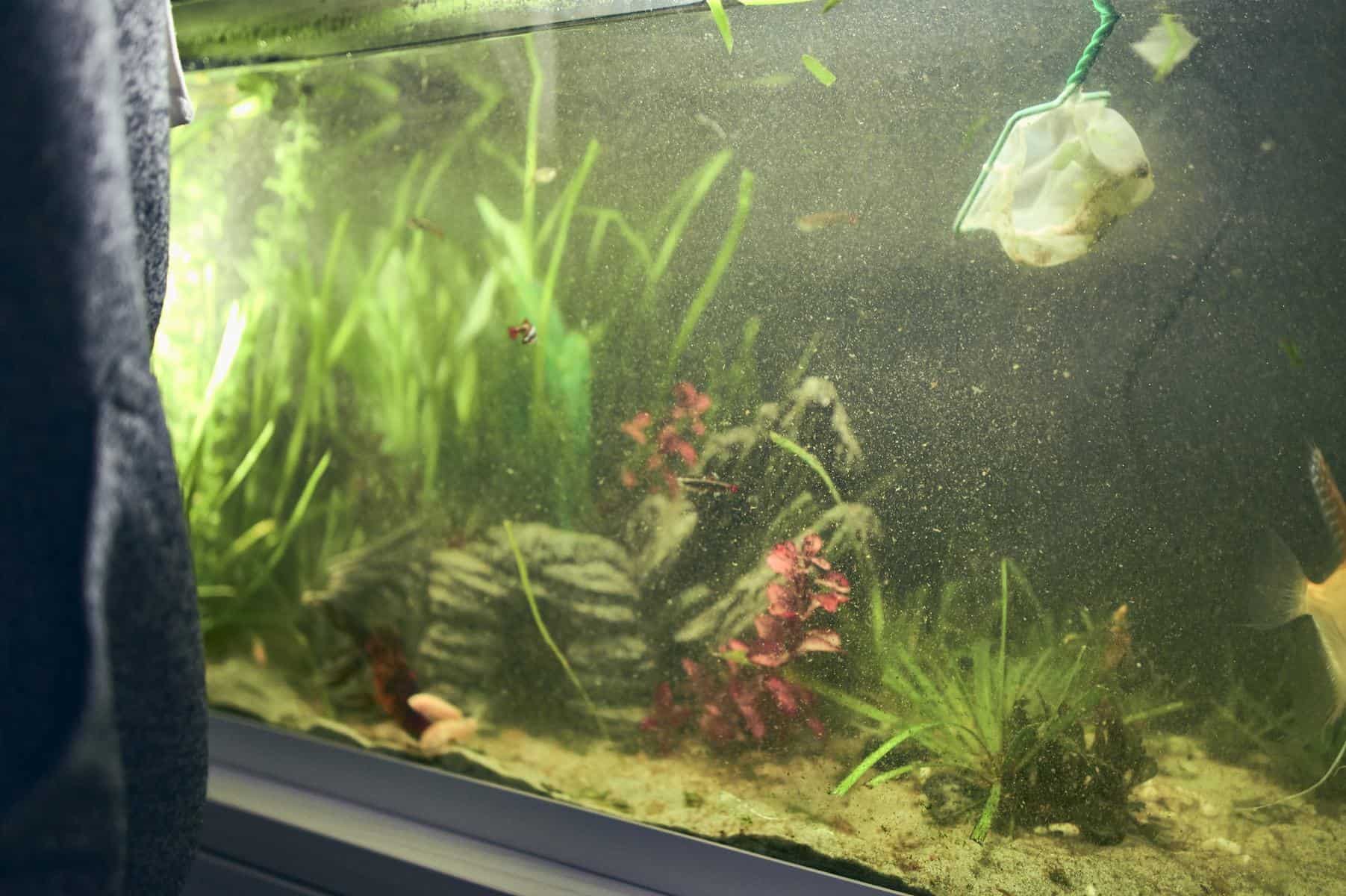
- Cycle new tanks fully: Wait until both ammonia and nitrite are consistently 0 before adding many fish.
- Maintain filters gently: Rinse filter media in tank water only and avoid replacing all media at once.
- Feed sparingly: Give only what fish eat in two minutes to prevent excess waste.
- Quarantine new fish: Reduce disease and avoid adding heavy waste or infections that stress bacteria.
- Use live plants: Plants take up nitrogen and can help stabilize nitrite and nitrate.
 Source: aquariadise.com
My experience and practical tips
I once introduced a group of fast-growing tetras to a community tank after a major filter clean. Nitrite spiked overnight and several fish gasped at the surface. A 50% water change, added aeration, and a dose of bacterial booster saved the tank within three days. Lesson: keep a small spare filter media and do staggered cleanings. Also, test kits and a simple logbook are the best early-warning tools I’ve used.
- Mistake to avoid: Never replace all filter media at once; do partial swaps over weeks.
- Quick tip: Keep aquarium salt and an air stone on hand for emergencies.
- Routine: Test weekly, and test daily whenever you change tank conditions.
 Source: thataquarium.com
Frequently Asked Questions of aquarium nitrite poisoning
What nitrite level is safe for fish?
Safe nitrite is effectively 0 ppm for most species. Levels above 0.25 ppm can stress sensitive fish and require action.
How quickly can nitrite kill fish?
Nitrite can cause serious harm within 24–48 hours at high levels. Young and small fish are affected faster than large adults.
Can I treat nitrite poisoning with salt?
Yes, moderate aquarium salt can reduce nitrite uptake in freshwater fish and provide short-term relief. Use salt cautiously and research species tolerance before dosing.
How do I prevent nitrite spikes during cycling?
Allow beneficial bacteria to establish before adding many fish and perform small water changes while cycling. Add bacterial supplements if needed and monitor nitrite daily.
Does activated carbon remove nitrite?
Activated carbon does not remove dissolved nitrite; it removes organic compounds and odors. Use biological media and water changes to lower nitrite effectively.
Will plants remove nitrite quickly?
Live plants uptake some nitrogen and can help lower nitrite over time. Relying solely on plants is slow; combine plants with bacteria and water maintenance for best results.
Should I remove fish during a nitrite spike?
You can move very sensitive or valuable fish to a temporary quarantine tank with clean, dechlorinated water and aeration. Otherwise, perform water changes and oxygenation in the main tank while monitoring closely.
Conclusion
Nitrite poisoning is a common but manageable problem when you know what to watch for and how to act. Test often, protect the biological filter, and respond quickly with water changes, aeration, and targeted treatments. Take action early, keep simple emergency supplies handy, and learn from small mistakes to build a resilient tank. Try the testing and maintenance tips above, subscribe for more aquarium care guides, or leave a comment with your nitrite questions — I’ll respond with practical advice.
