
Keep aquarium nitrate levels below 20–40 ppm for most freshwater tanks; test and act weekly.
I’ve kept aquariums for years and seen how nitrate quietly shapes fish health, plant growth, and algae battles. This guide explains aquarium nitrate levels from the ground up. I’ll show what nitrates are, why they matter, how to test, and how to lower and manage levels with simple steps you can use today. Expect clear tips, real mistakes I made, and a practical routine you can follow.
What are aquarium nitrate levels?
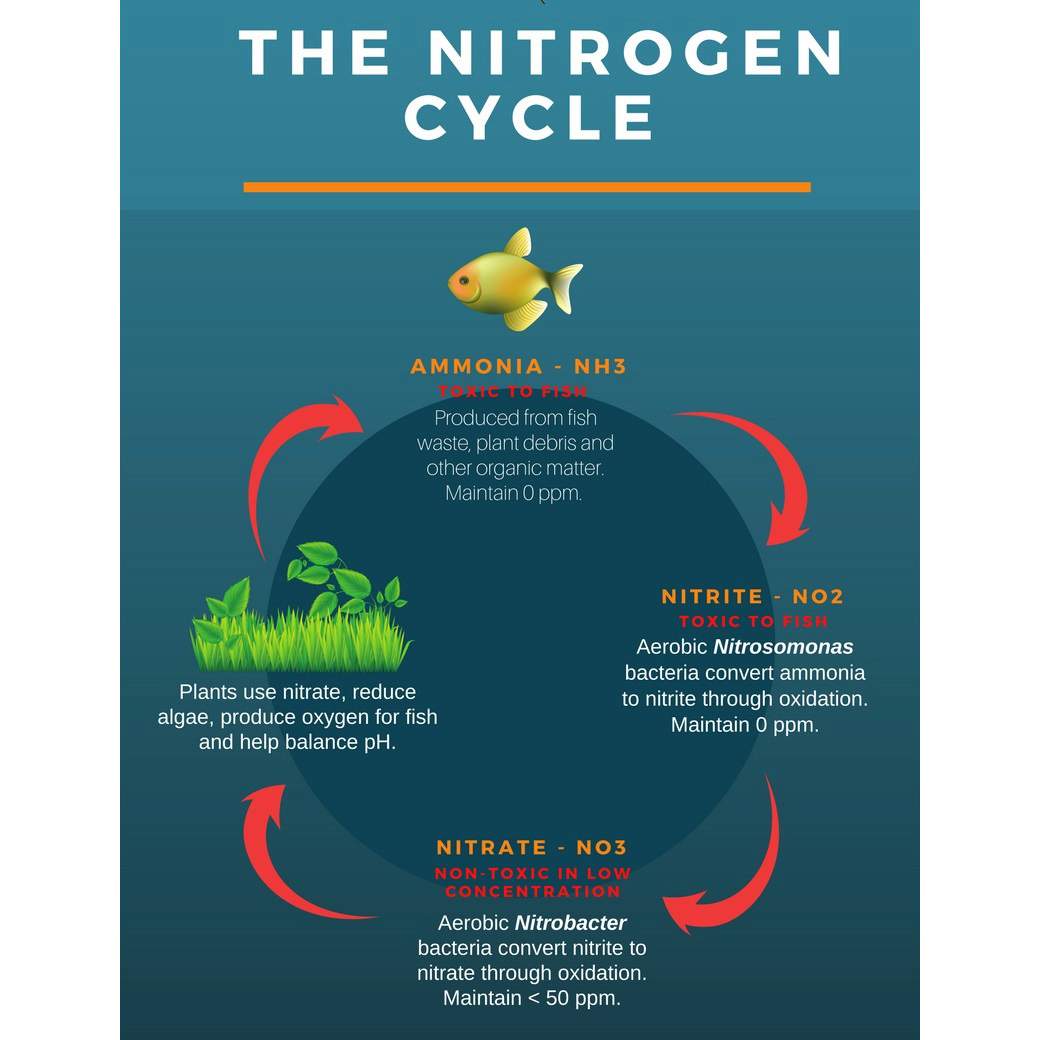
Nitrate is a nitrogen compound that forms during the natural breakdown of fish waste, uneaten food, and dead plant matter. Aquarium nitrate levels measure how much nitrate is dissolved in the tank water, usually in parts per million (ppm). High nitrate means there is a lot of processed waste in the water. Low nitrate can be fine for reef tanks, but many freshwater plants and fish can tolerate moderate nitrate. Knowing your aquarium nitrate levels helps you keep a safe and stable tank.
Why nitrates matter in aquariums
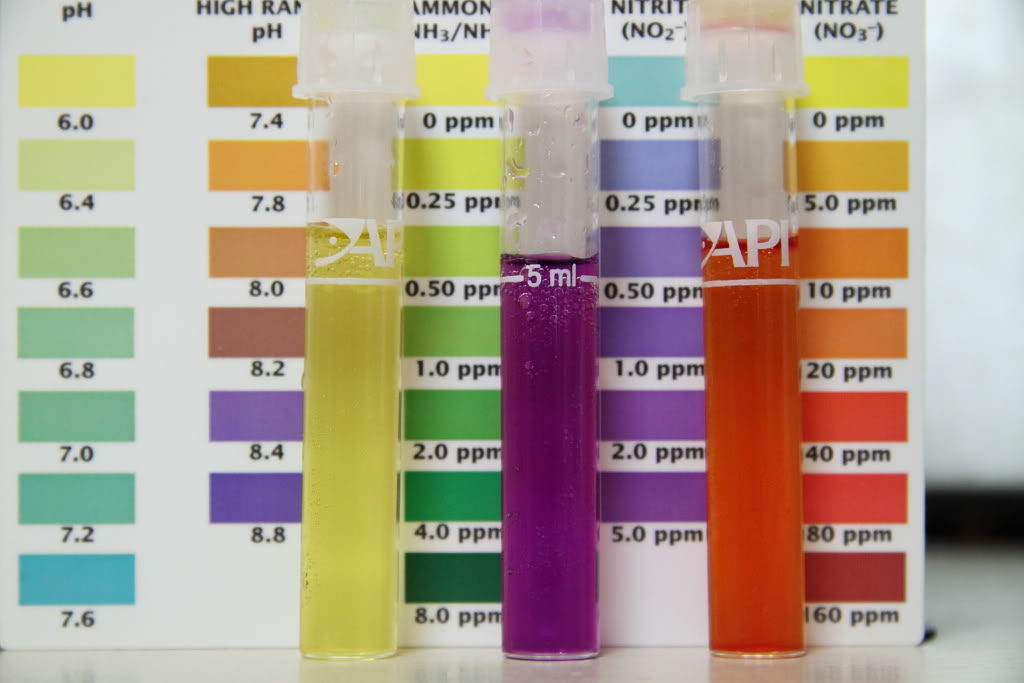
Nitrate is less toxic than ammonia and nitrite, but it still affects fish and plants over time. Long-term high aquarium nitrate levels stress fish, lower immunity, and cause slow growth. High nitrate also fuels algae blooms that make tanks ugly and hard to manage. For planted tanks, moderate nitrate can act as a nutrient. For reef tanks, nitrate should be very low to keep corals healthy. In short, tracking aquarium nitrate levels helps you act before problems start.
Common causes of high aquarium nitrate levels
- Overfeeding. Leftover food decays into ammonia, then into nitrate.
- Overstocking. More fish means more waste. That raises aquarium nitrate levels fast.
- Poor maintenance. Irregular water changes let nitrates build up.
- Dead plants or animals. Decay spikes nitrate quickly.
- Old or clogged filter media. Poor biofiltration reduces nitrate conversion.
- Tap water. Some source water contains nitrate and adds to tank levels.
How to test aquarium nitrate levels
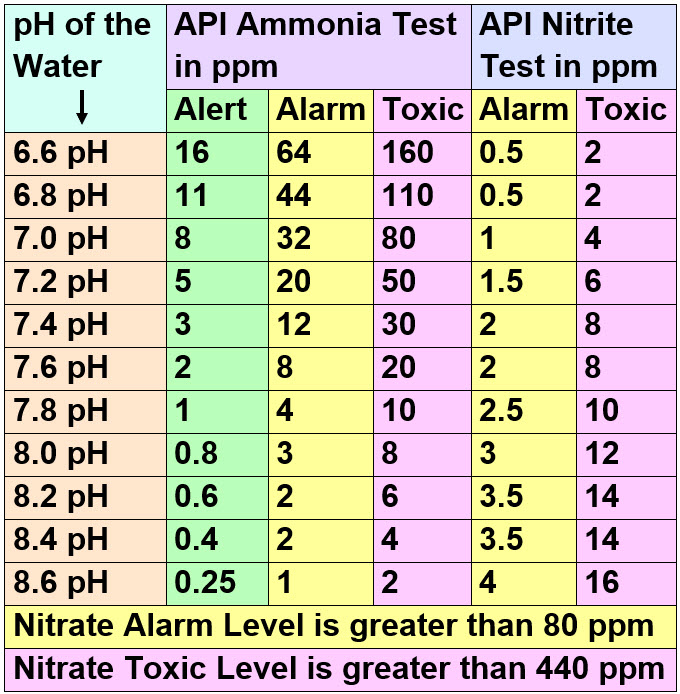
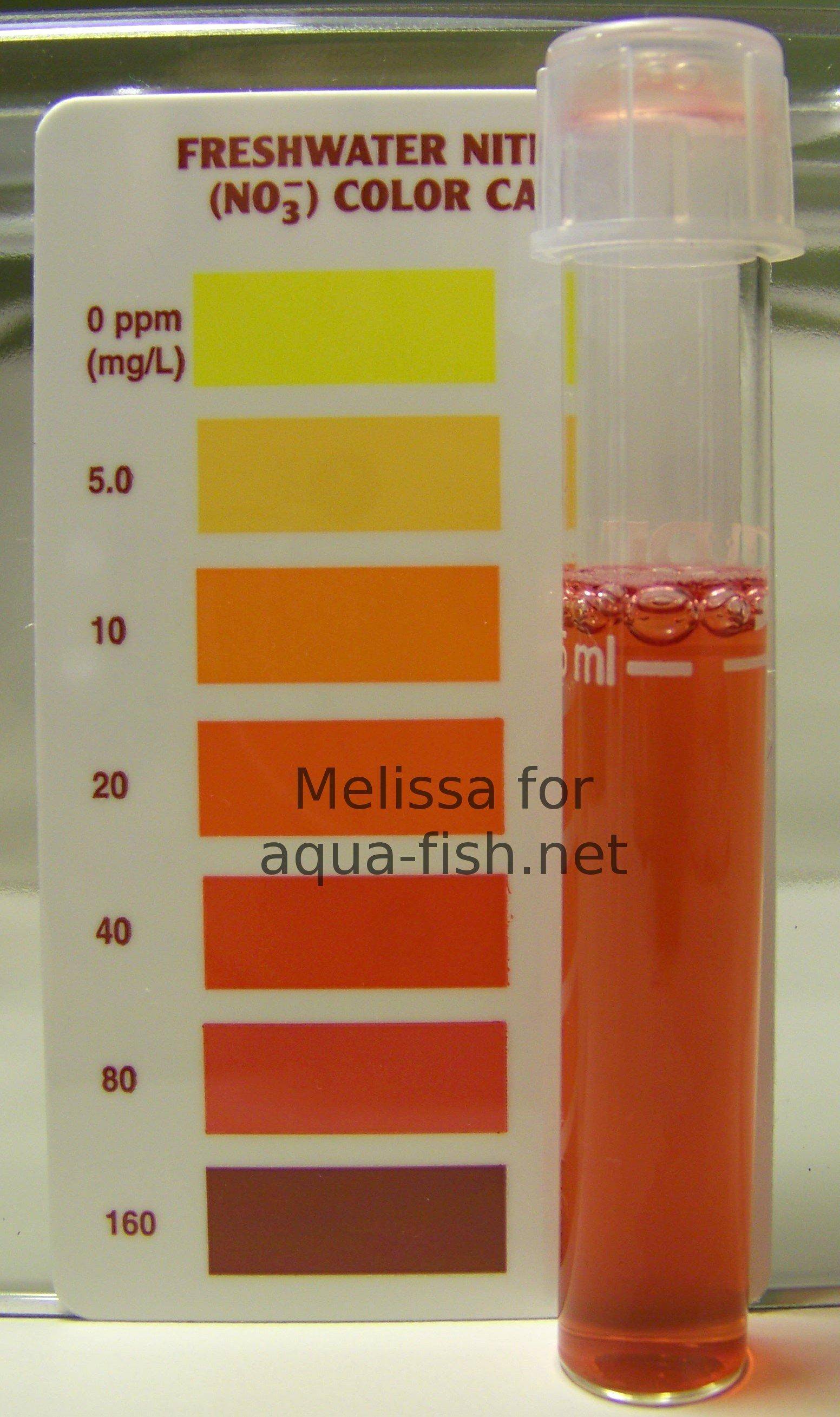
- Test strips. Quick and cheap, but less precise. Good for fast checks.
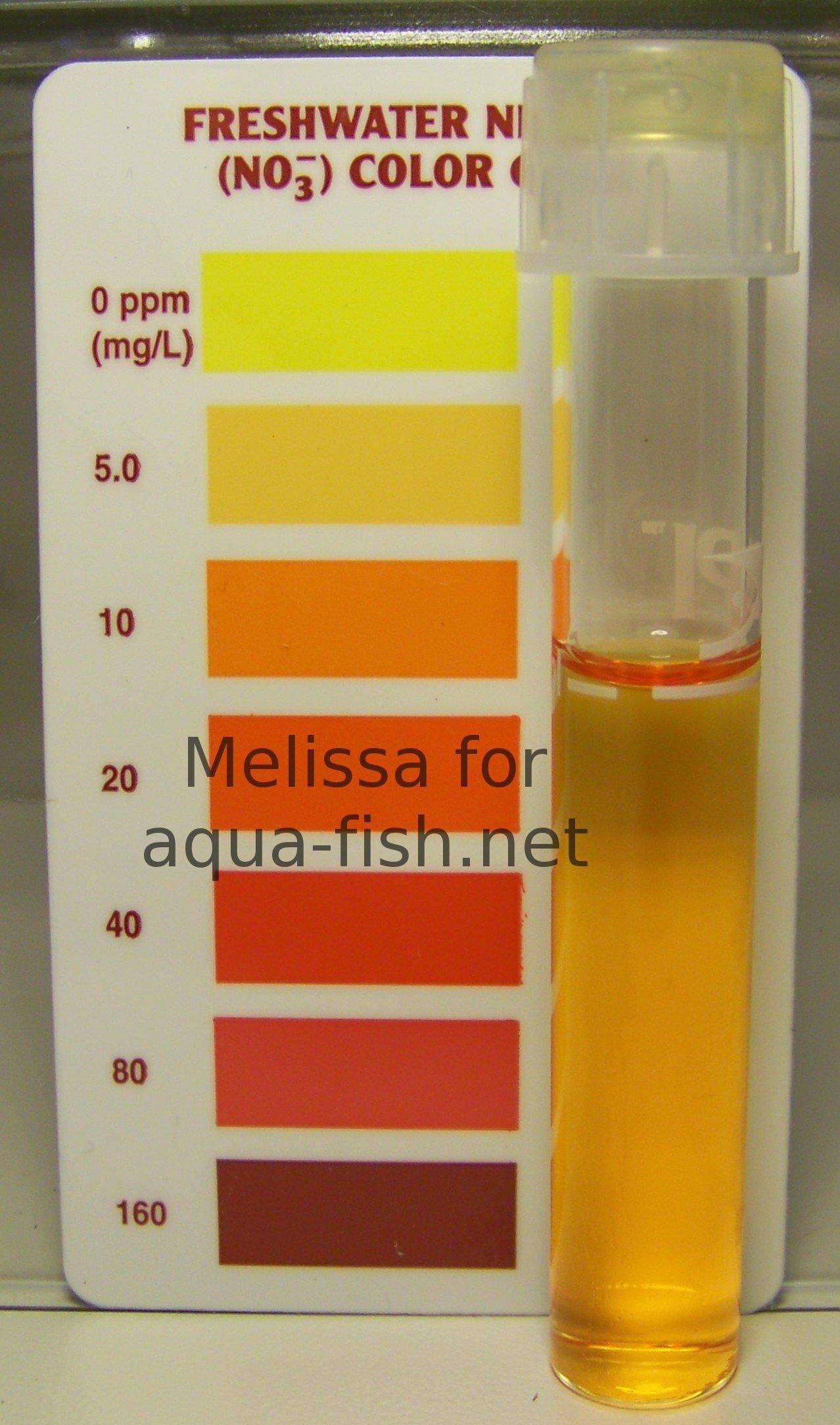
- Liquid test kits. More accurate for home use. Read color at the right time.
- Digital meters. Fast and repeatable, often used by pros.
Test frequency suggestions:
- New tanks: test every 2–3 days for the first month.
- Established tanks: test weekly or after big changes.
- Suspect problems: test daily until stable.
Target ranges (general):
- Freshwater community tanks: keep aquarium nitrate levels under 20–40 ppm.
- Planted freshwater tanks: 10–20 ppm often works well for growth.
- Reef/saltwater tanks: aim for under 5 ppm for best coral health.
If your test reading differs a lot between methods, repeat the test and check kit expiry. I once trusted an old strip and missed a nitrate spike. Since then I use a fresh liquid kit for verification.
How to lower aquarium nitrate levels — step-by-step
Short-term fixes:
- Do a partial water change of 25–50 percent to dilute nitrates quickly. Repeat over days if needed.
- Vacuum the substrate to remove settled detritus and uneaten food.
- Remove any dead fish or decaying plants immediately.
Long-term controls:
- Keep a regular water change schedule to prevent nitrate build-up.
- Reduce feeding. Feed less, feed slower, and remove uneaten food.
- Improve filtration. Add biological media for good bacteria. Clean mechanical filter media often.
- Add live plants in freshwater tanks to consume nitrate as a nutrient.
- Use nitrate-removing media or resins for targeted reduction.
- For saltwater, use a refugium with macroalgae or a denitrator device. Protein skimmers help remove organics before they become nitrate.
Safe chemical solutions:
- Nitrate-absorbing resins can help temporarily. Use as directed and monitor nitrate closely.
- Avoid relying only on chemicals. Combine them with water changes and better husbandry.
Practical plan I used:
- Week 1: 40 percent water change, substrate vacuum, reduce feeding by 50 percent.
- Week 2: Add fast-growing plants and a nitrate resin in the filter.
- Week 3 onward: 25 percent weekly water changes and weekly tests.
This plan dropped my aquarium nitrate levels from 80 ppm to 20 ppm in three weeks. Be patient; slow, steady fixes prevent stress to fish.

Maintaining stable aquarium nitrate levels
- Set a testing routine. Test weekly and log results.
- Keep a fixed water change schedule. Many hobbyists use 25 percent weekly.
- Feed fish only what they eat in two minutes. Fewer leftovers means less nitrate.
- Trim plants and remove plant waste promptly.
- Clean mechanical filter media on a regular but partial schedule. Do not clean all media at once to preserve bacteria.
- Avoid sudden stock increases. Add fish slowly and test more often after new additions.
Small habits prevent sudden spikes in aquarium nitrate levels. A stable routine keeps fish calm and algae down.
Common mistakes and troubleshooting
- Panic water changes. Large, sudden changes can harm fish. Use 25–50 percent and repeat if needed.
- Over-relying on chemicals. Resins and products help, but they are not a permanent fix.
- Cleaning all filter media at once. This kills beneficial bacteria and can raise nitrate later.
- Ignoring source water. Test tap water; if it contains nitrate, treat or use alternate water.
- Letting algae cover the tank. Algae hide the root cause and make nitrate control harder.
Troubleshooting flow:
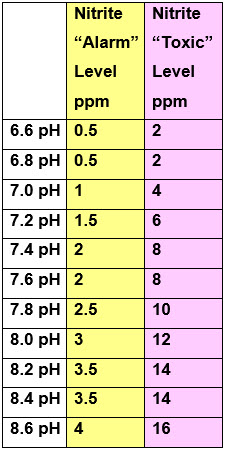
- Test nitrate, ammonia, and nitrite.
- If nitrate high and others low, do staged water changes and clean substrate.
- If ammonia or nitrite present, reduce feeding, and consider partial water changes and boosting biofiltration.
- Re-test daily until readings stabilize.
:strip_icc()/nitrates-in-the-aquarium-1381883_sourcefile-7bb5b3a043c843f2807555f605cf31b4.jpg)
PAA-style quick questions answered in-line
What level is safe for most freshwater fish? Most freshwater fish do well under 40 ppm, but aim for 20 ppm or below for best health.
How fast can I lower nitrate? Partial water changes give the fastest drop; repeated small changes are safer than one huge change.
Do live plants remove nitrate? Yes, fast-growing plants use nitrate as food and can lower aquarium nitrate levels naturally.
Frequently Asked Questions of aquarium nitrate levels
What is a safe nitrate level for community freshwater tanks?
A safe nitrate level for most community freshwater tanks is under 20–40 ppm. Aim for 20 ppm or lower for long-term health and to reduce stress on fish.
Can nitrate cause fish death immediately?
Nitrate rarely causes immediate death; it causes chronic stress and lowers immune response over time. Very high levels above 100 ppm can be harmful and should be reduced quickly.
How often should I test aquarium nitrate levels?
Test weekly in a stable tank and more often after changes or if fish show stress. New tanks need more frequent testing during the first month.
Will plants always fix high nitrate?
Plants can lower nitrate, but they need light, nutrients, and pruning. Fast-growing plants work best, and you still need water changes and good husbandry.
Is nitrate worse than nitrite or ammonia?
Nitrate is less toxic than ammonia and nitrite, but it still harms long-term health. Ammonia and nitrite should be zero or near zero, while some nitrate is often acceptable.
How quickly should I do water changes to lower nitrate safely?
Do staged water changes of 25–50 percent and monitor fish for stress. Repeat over several days if needed instead of a single huge change.
Conclusion
Managing aquarium nitrate levels is about steady care, testing, and simple habits. Test regularly, feed less, clean wisely, and use water changes and plants to keep nitrate in range. Little actions each week prevent big problems later. Start today: test your tank, log the results, and set a simple routine. Share your progress or questions below and keep your aquarium healthy and clear.
