
Aquarium water parameters keep fish healthy, stable, and stress-free in any tank environment.
I have managed freshwater and reef tanks for over a decade. I know aquarium water parameters inside out. This guide explains which numbers matter, how to test them, and how to fix issues. Read on to build steady water conditions and a thriving aquarium.
Why aquarium water parameters matter
Water is the home of your fish. Small changes in aquarium water parameters can stress fish fast. Stress makes fish sick. It also fuels algae and disease.
Healthy aquarium water parameters cut illness risk. Stable numbers help plants and beneficial bacteria. Good water keeps your tank clear and calm.

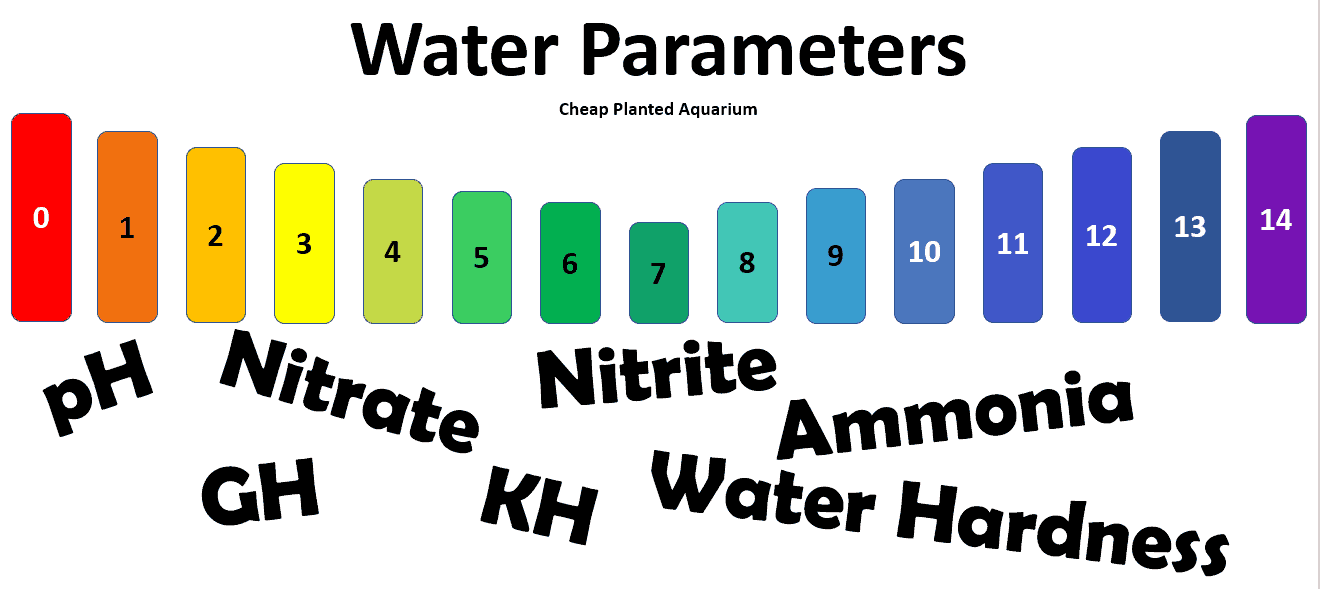
Key aquarium water parameters to monitor
Below are the key aquarium water parameters to watch. Learn what each does and the safe ranges to aim for.
Ammonia (NH3/NH4+)
Ammonia is toxic. It comes from fish waste and decaying matter. Safe level: 0 ppm. Any reading above 0 needs action.
Nitrite (NO2-)
Nitrite is produced by bacteria that eat ammonia. It is also toxic. Safe level: 0 ppm. Nitrite spikes show an uncycled or stressed tank.
Nitrate (NO3-)
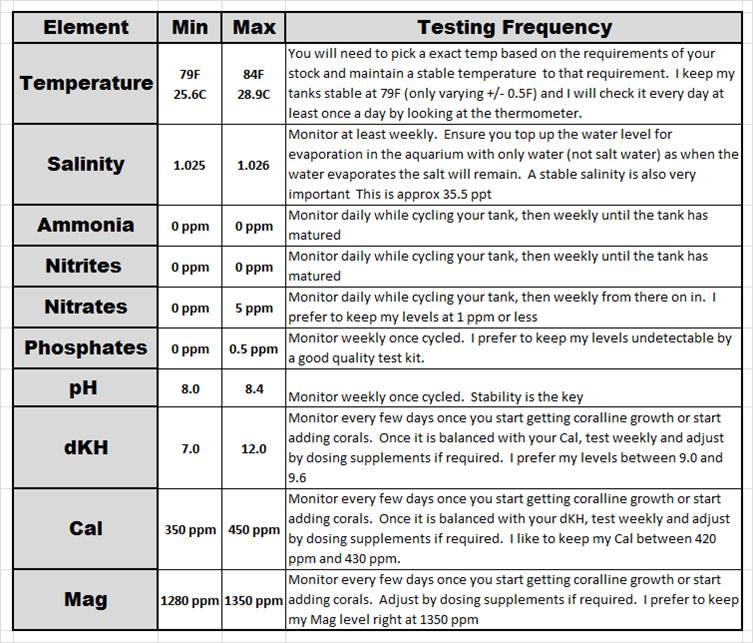
Nitrate is the end product of the nitrogen cycle. Low levels are OK. Aim for under 20 ppm in planted freshwater tanks and under 5 ppm for sensitive species or reefs.
pH
pH measures acidity. Each species likes a range. Most freshwater community tanks do well at pH 6.5–7.5. Marine tanks sit around pH 8.0–8.4. Rapid swings are the main danger.
General Hardness (GH)
GH measures dissolved calcium and magnesium. It affects fish osmoregulation and plant growth. Many tropical fish prefer moderate GH (4–12 dGH).
Carbonate Hardness (KH)
KH stabilizes pH. Low KH leads to pH swings. Aim for 3–8 dKH in many freshwater tanks and 8–12 dKH in reef systems.
Temperature
Fish are cold- or warm-blooded in behavior. Keep temperature steady. Most tropical fish like 75–82°F (24–28°C). Small changes stress fish more than a slow, steady set point.
Dissolved Oxygen (DO)
Oxygen supports life. Warmer water holds less oxygen. Good flow, surface agitation, and plants can help keep DO high.
Salinity (for marine and brackish tanks)
Salinity controls species compatibility. Measure with a refractometer or hydrometer. Keep marine tanks at specific gravity 1.025 ± 0.001 unless you maintain a different system.
Total Dissolved Solids (TDS)
TDS shows dissolved salts and organics. It can help spot water quality drift. Use it as a trend tool, not a single-proof test.
How to test aquarium water parameters
Testing is simple when you make a routine. Test often in new tanks and after changes.
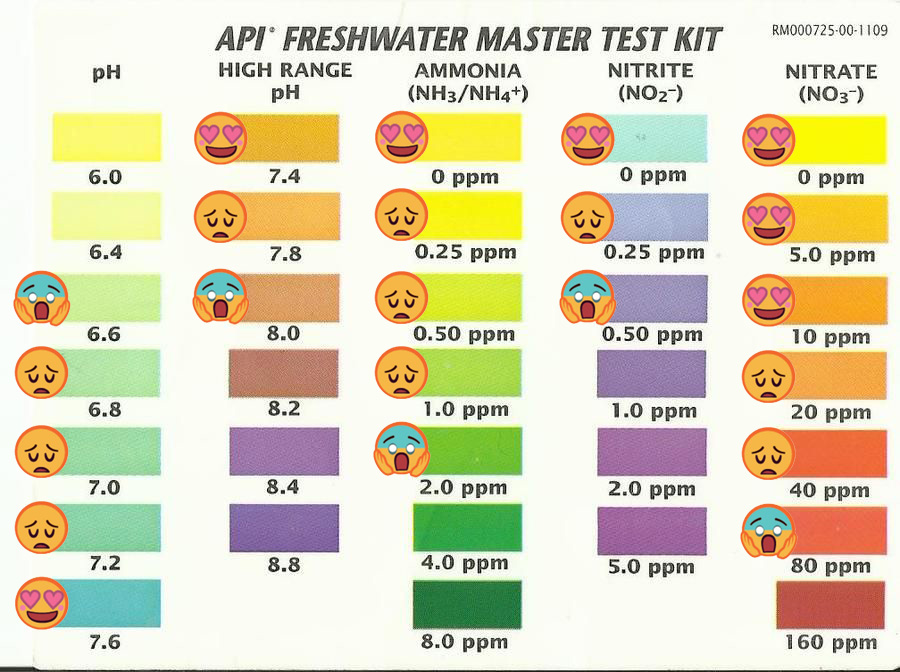
- Use a liquid test kit for ammonia, nitrite, nitrate, and pH. These are most accurate.
- Use a digital meter for pH or temperature when you need fine control.
- Use a refractometer for salinity in marine tanks.
- Test weekly for stable tanks. Test daily during cycling, new fish, or after problems.
Q: How often should I test aquarium water parameters?
Test weekly for stable tanks. Test daily during setup or when you see stress signs.
Q: What is the best test kit?
Liquid colorimetric kits are reliable and cheap. Digital probes add speed and precision.
Q: How to take a good sample?
Collect water away from filters and the surface. Use a clean cup. Test within minutes for best results.

How to adjust and maintain aquarium water parameters
Fixing numbers requires slow, steady steps. Sudden fixes can cause harm.
- Water changes
- Replace 10–30% weekly for many tanks. Larger changes help spikes but do them slowly.
- Control feeding
- Feed less to limit waste. Uneaten food raises ammonia and nitrate.
- Improve filtration
- Use mechanical and biological media. Clean media in tank water only.
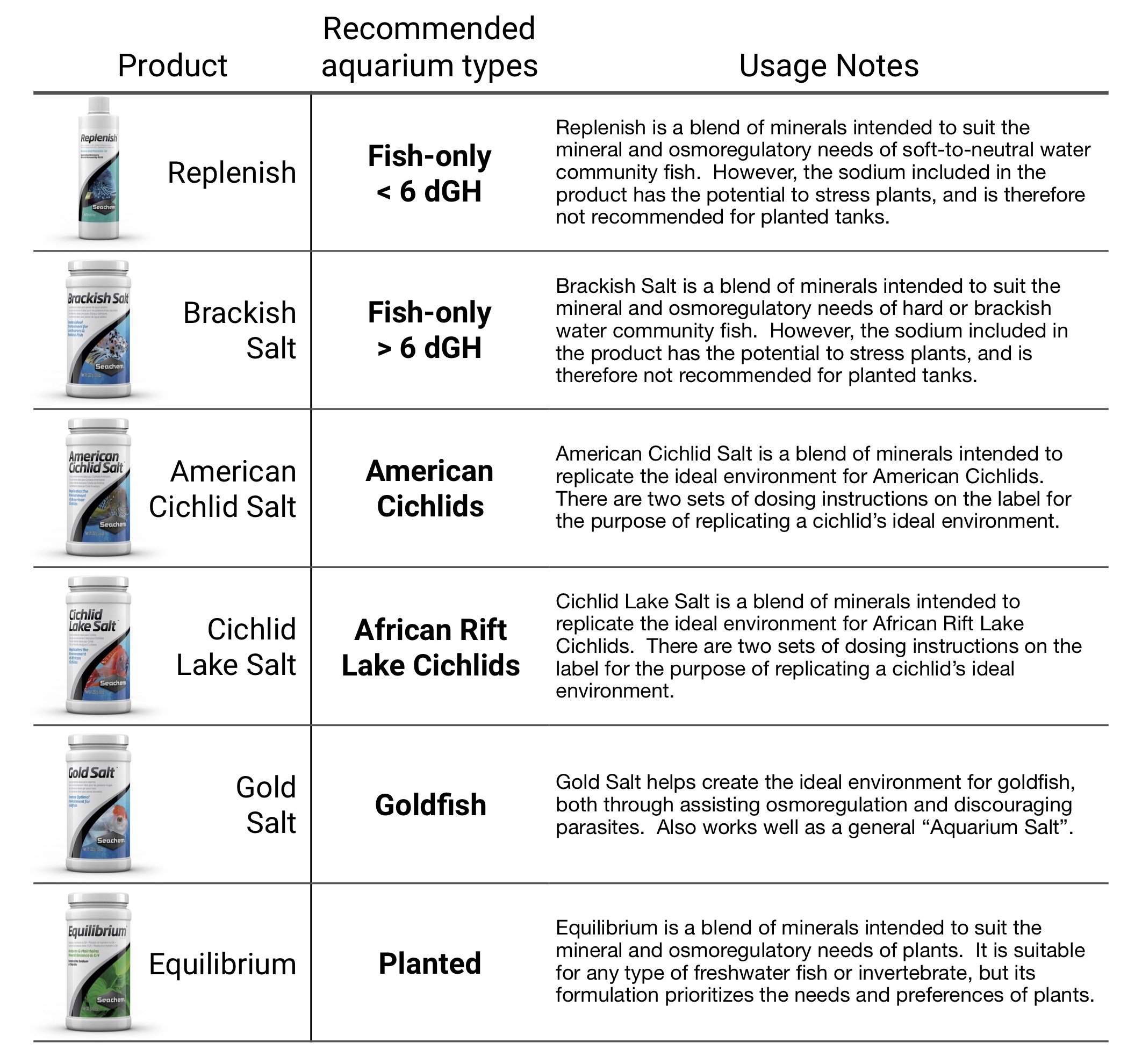
- Use buffers and additives carefully
- Raise KH slowly to stabilize pH. Dose trace elements for planted or reef tanks per instructions.
- Add plants
- Live plants absorb nitrate and improve oxygen during light hours.
- Adjust temperature gradually
- Change by 1–2°F per hour if needed. Use a heater with a reliable thermostat.
- Use RO/DI water for sensitive species
- Mix with reef salt or re-mineralize for freshwater if needed.
When ammonia or nitrite rises, do an immediate 25–50% water change. Check filter flow and remove decaying matter. If pH drifts, raise KH first to avoid swings.
Common problems and troubleshooting
Here are frequent issues and fixes based on real cases.
- Ammonia spike
- Cause: overfeeding, new fish, filter crash. Fix: water change, reduce feed, add ammonia-removing media.
- pH crash or swing
- Cause: low KH or decaying organics. Fix: raise KH slowly and remove the source of decay.
- Persistent algae
- Cause: high nitrate or light imbalance. Fix: reduce light duration, lower nitrate via water change, add plants or algae eaters.
- Cloudy water
- Cause: bacterial bloom or suspended particles. Fix: small water changes, improve filtration, avoid overfeeding.
- Salt creep in marine tanks
- Cause: evaporation leaves salt deposits. Fix: wipe surfaces, top up with fresh water, monitor salinity.

Personal experience and practical tips
I once cycled a new 40-gallon tank and saw a nitrite spike on day 10. I did a quick 25% water change and added aeration. The fish bounced back in days. Lesson: test early and act calm.
I also learned to never chase pH with harsh chemicals. Slow fixes work best. I use a small notebook to log tests. Trends are clearer than single numbers.
Practical tips from my tanks:
- Keep a test log. Note date, values, and actions.
- Quarantine new fish. This prevents hidden infections and parameter shocks.
- When changing large amounts of water, match temperature and pH to avoid shock.

Tools and supplies checklist
Stock these basics to monitor and control aquarium water parameters.
- Liquid test kits for ammonia, nitrite, nitrate, and pH
- pH meter or reliable test kit
- Refractometer for marine tanks
- Gravel vacuum and siphon for water changes
- Heater and thermometer with good accuracy
- Powerhead or air stone for added oxygen
- RO/DI unit if you keep sensitive species
- Water conditioner and trace supplements as needed
Frequently Asked Questions of aquarium water parameters
What are the most critical aquarium water parameters to test?
Ammonia, nitrite, nitrate, pH, temperature, and hardness are the core tests for most tanks. These tell you about fish safety and tank stability.
How often should I test aquarium water parameters?
Test weekly for an established tank. Test daily during cycling, after adding fish, or when problems appear.
Can I rely on strips for testing aquarium water parameters?
Strips are quick and easy but less accurate than liquid kits. Use strips for trends but confirm important readings with a liquid kit.
What is a safe nitrate level in a freshwater tank?
Aim for under 20 ppm for general community tanks. Lower levels under 10 ppm are better for sensitive species.
How do I lower ammonia or nitrite quickly?
Do a 25–50% water change, reduce feeding, and ensure good aeration. Use biological media and avoid adding more fish until levels are stable.
Conclusion
Keep testing simple and steady. Focus on ammonia, nitrite, nitrate, pH, temperature, and hardness. Small, regular water changes and careful feeding prevent most problems. Track trends, not single readings, and make slow adjustments. Start today: test your water, note the numbers, and take one small step to improve stability. Share your results or questions below and subscribe for more tank care tips.
