

Raising a Dachshund puppy takes patience, clear rules, and daily guidance. These small dogs have big personalities. They are smart, curious, and often very determined. Good training helps your puppy understand what you expect while keeping their natural confidence.
From my experience studying dog behavior and training methods, the best results come from starting early and making lessons fun. Dachshunds were bred as hunting dogs, so they enjoy problem-solving. A training plan that uses rewards and trust can turn their strong will into a positive strength.
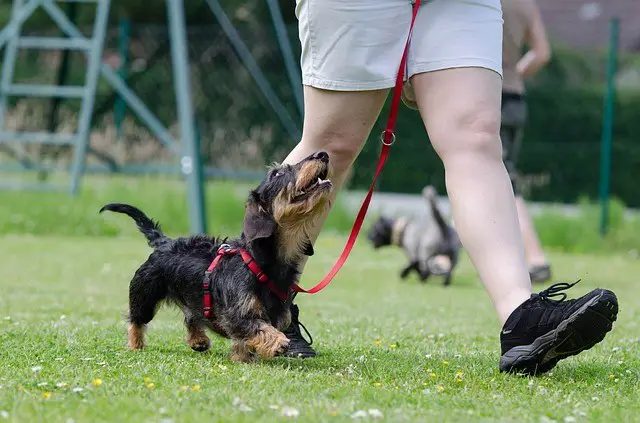
Understanding Dachshund Puppy Training and Socialization Needs
Dachshund puppy training and socialization should begin as soon as your puppy comes home. The first months are a key time for learning habits and building trust. Puppies are more open to new experiences when they feel safe.
Dachshunds are clever dogs, but they can also be independent. They may test limits because they like making their own choices. Consistent training helps them learn that following commands brings rewards.
- ✦ Intelligence
Dachshunds learn quickly when training uses treats, praise, and games.
- ✦ Independent nature
Clear routines help prevent stubborn behavior and confusion.
- ✦ Strong instincts
Their hunting background makes scent games and problem-solving activities useful.
Why Early Training Matters
Early lessons create a foundation for good behavior. A puppy that learns basic rules early is easier to manage at home, during walks, and around guests.
Waiting too long can allow habits like excessive barking, chewing, or jumping to become harder to change.
- ✦ Start simple
Teach basic behaviors like name recognition, sit, and coming when called.
The Best Training Methods for Dachshund Puppies
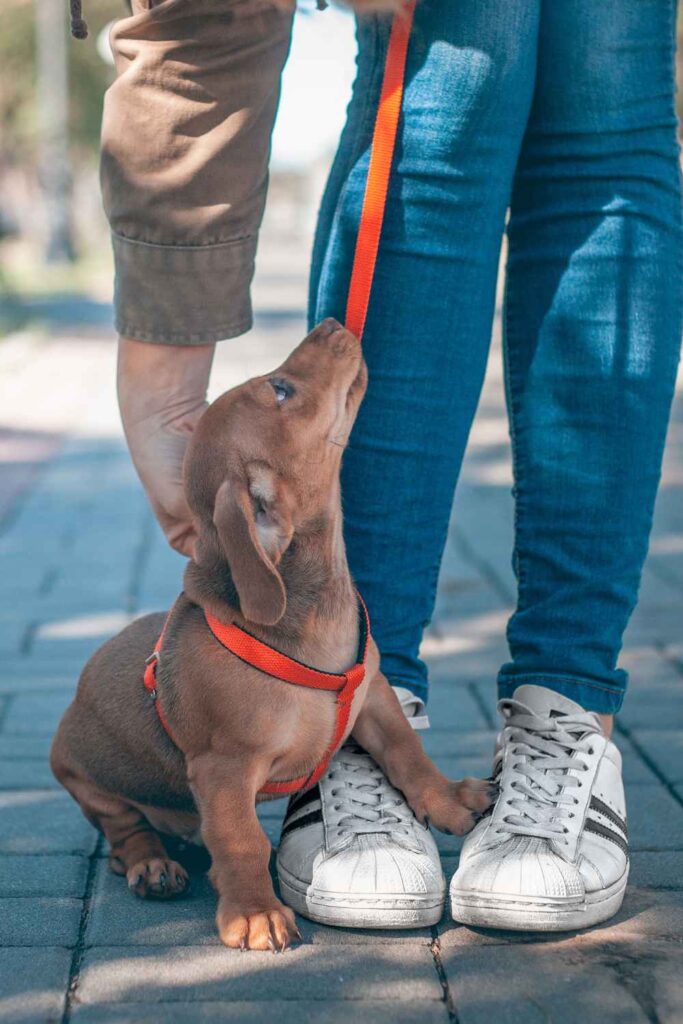
The most effective Dachshund puppy training and socialization approach uses positive reinforcement. Reward your puppy when they do something right instead of focusing only on mistakes.
Short training sessions work better than long sessions. A five to ten minute lesson several times each day can keep your puppy interested and prevent boredom.
- ✦ Use rewards
Give small treats, praise, or playtime when your puppy follows a command.
- ✦ Stay consistent
Use the same words and rules every day so your puppy understands clearly.
- ✦ Avoid harsh methods
Fear-based training can damage trust and create anxiety.
Teaching Basic Commands
Basic commands improve safety and communication. Start with simple cues like sit, stay, come, and leave it.
Practice commands in quiet areas first. Slowly add distractions as your Dachshund becomes more confident.
- ✦ Come command
A reliable recall helps keep your puppy safe outdoors.
- ✦ Leave it command
This helps prevent chewing or picking up unsafe items.
House Training and Daily Routines for Dachshund Puppies
House training is one of the most important parts of Dachshund puppy training and socialization. Dachshunds can take time to learn bathroom habits, so patience is important.
A predictable schedule helps your puppy understand when and where to go. Take your puppy outside after waking, eating, drinking, and playing.

- ✦ Create a schedule
Regular feeding and potty times make learning easier.
- ✦ Reward success
Praise your puppy immediately after they use the correct bathroom area.
Preventing Common Puppy Mistakes
Accidents are normal during puppy training. Avoid punishment because your puppy may become confused or afraid.
Clean accidents properly to remove smells that may encourage repeat behavior.
- ✦ Supervise closely
Watch your puppy when they are learning new habits.
How to Socialize a Dachshund Puppy Correctly
Dachshund puppy training and socialization is not only about commands. Socialization teaches your puppy that new people, animals, sounds, and places are safe.
A well-socialized Dachshund is usually more relaxed during walks, vet visits, and family events. The goal is not to force interaction but to create positive experiences.

- ✦ Meet new people
Introduce friendly adults and children in calm situations.
- ✦ Explore new places
Take your puppy to safe locations with different sights and sounds.
- ✦ Experience sounds
Help your puppy become comfortable with cars, doorbells, and household noises.
Socializing Around Other Dogs
Controlled meetings with friendly, vaccinated dogs can teach your Dachshund proper social skills. Choose calm dogs that respect boundaries.
Avoid overwhelming your puppy with crowded dog parks before they are ready.
- ✦ Watch body language
Look for signs of fear, stress, or excitement during interactions.
Managing Barking, Chewing, and Other Dachshund Behaviors
Dachshunds often use their voice because they were bred to alert hunters. Barking is natural, but training can teach them when it is appropriate.
Chewing is also common in puppies. Provide safe toys and mental activities to reduce boredom and unwanted chewing.

- ✦ Reduce barking
Reward quiet behavior and avoid giving attention to unnecessary barking.
- ✦ Control digging
Provide approved digging activities because digging is part of their natural instincts.
- ✦ Prevent separation problems
Teach independence through short periods alone with positive experiences.
Building Confidence in a Sensitive Dachshund
Some Dachshunds can become nervous around strangers or new situations. Confidence grows when exposure happens slowly.
Reward calm behavior and allow your puppy time to adjust.
- ✦ Use patience
Slow progress creates stronger confidence than forced exposure.
Creating a Long-Term Training Plan for Your Dachshund
Dachshund puppy training and socialization should continue beyond puppyhood. Dogs keep learning throughout their lives, and regular practice keeps skills strong.
Mix training with daily activities. Ask your Dachshund to sit before meals, wait before opening doors, and come during play.

- ✦ Keep practicing
Regular short sessions maintain good behavior.
- ✦ Add challenges
Increase distractions slowly as your puppy improves.
Training Tools That Help
Useful tools include treats, a comfortable harness, puzzle toys, and a safe crate. Choose tools that support learning without causing stress.
Every Dachshund has a different personality, so adjust your approach based on your puppy’s needs.
- ✦ Puzzle toys
Mental games help satisfy a Dachshund’s natural problem-solving instincts.
