
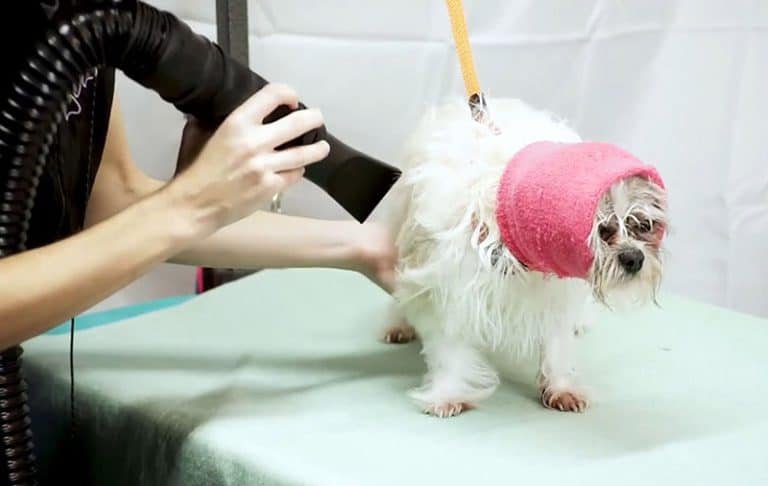
Choosing the right dog drying methods can make bath time easier for both you and your pet. A wet coat can trap moisture close to the skin, which may lead to discomfort, bad smells, or coat problems if it stays damp for too long.
In my experience working with grooming routines, the best results come from combining simple steps. Start with a good towel dry, remove extra water, and then choose a safe drying method that matches your dog’s needs.

Why Proper Dog Drying Matters After a Bath
Drying your dog is more than removing water from the fur. Good dog drying methods protect the skin, keep the coat healthy, and help your pet feel comfortable after bathing.
Dogs have different coats, from short and smooth fur to thick double coats. Each coat type holds moisture differently, so the drying process should be adjusted instead of using one method for every dog.
- ✦ Prevents skin issues
Removing extra moisture helps reduce the chance of damp skin, irritation, and unpleasant odors.
- ✦ Protects the coat
Proper drying keeps fur softer and reduces knots, mats, and tangles.
Towel Drying: The First Step in Dog Drying Methods
Towel drying is one of the easiest and safest dog drying methods for most pets. It should always come before using a dryer because it removes a large amount of water quickly.
Use a highly absorbent pet towel and gently press the coat instead of rubbing hard. Strong rubbing can create tangles, especially in long-haired dogs.

- ✦ Choose the right towel
Microfiber towels work well because they absorb water fast and are gentle on the coat.
Using a Dog Dryer Safely at Home
A pet dryer can make dog drying methods faster, especially for dogs with thick fur. However, the dryer must be designed for pets because human hair dryers can become too hot.
Keep the airflow moving and avoid holding the dryer close to the skin. Watch your dog’s body language and stop if they show stress.

- ✦ Use low heat
Gentle airflow protects your dog’s skin and prevents overheating.
- ✦ Introduce slowly
Let your dog hear and smell the dryer before using it on the coat.
Air Drying: When It Works and When It Does Not
Air drying can work for some short-haired dogs in a warm and clean environment. It is one of the simplest dog drying methods when your pet does not stay wet for long.
However, air drying is not ideal for thick-coated breeds. Moisture can remain hidden under the top layer of fur and create a damp environment close to the skin.

- ✦ Good for short coats
Short-haired dogs often dry faster with towel drying followed by natural air.
Professional Dog Grooming Drying Techniques
Professional groomers use advanced dog drying methods to handle different breeds and coat conditions. These methods often combine high-velocity dryers, brushing, and careful coat separation.
A professional drying routine can remove loose hair and help create a clean, fluffy finish. It is especially useful for breeds with heavy coats or regular grooming needs.

- ✦ High velocity drying
This method pushes water away from the coat instead of relying only on heat.
- ✦ Fluff drying
Brushing during drying helps separate fur and improve coat appearance.
Best Dog Drying Methods for Different Coat Types
The best dog drying methods depend on your dog’s fur. A Chihuahua and a Golden Retriever may both need a bath, but their drying routines are very different.
Understanding your dog’s coat helps you avoid problems like mats, trapped moisture, and unnecessary stress during grooming.

- ✦ Short-haired dogs
Use a soft towel and gentle airflow if needed.
- ✦ Long-haired dogs
Combine towel drying, brushing, and controlled dryer use.
- ✦ Double-coated dogs
Spend extra time removing moisture from the undercoat.
Common Mistakes to Avoid When Drying Your Dog
Many owners rush the drying process and miss hidden wet areas. Careful dog drying methods are safer and create better grooming results.
Avoid using high heat, rough towel movements, or forcing a nervous dog to stay near a dryer. Comfort should always come first.

- ✦ Avoid human hair dryers
They may become too hot and can damage sensitive skin.
- ✦ Do not leave thick coats damp
Dense fur can hold moisture longer than expected.
