
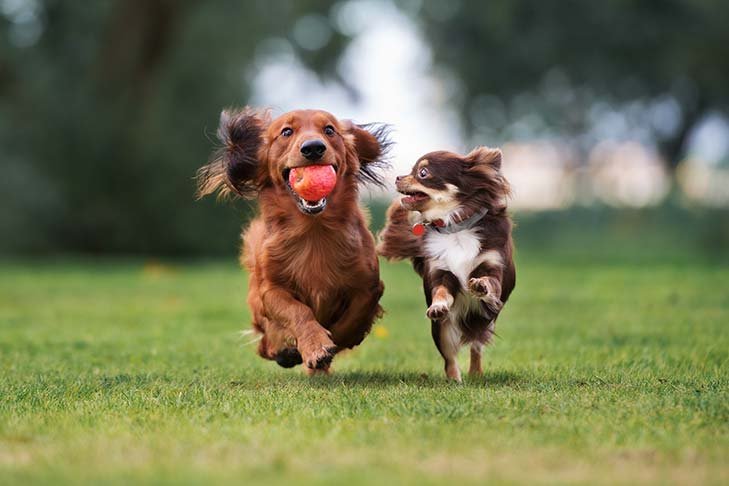
A consistent play routine can change how a dog behaves at home. In my experience working with dog care content, many behavior problems come from dogs that lack enough activity, attention, or mental challenges. A simple daily plan often helps dogs become calmer and more confident.
Dog play routines are not only about throwing a ball or giving a toy. They include activities that support your dog’s body, brain, and relationship with you. For families across the United States, a planned play schedule can fit into busy mornings, work breaks, and evening family time.

What Are Dog Play Routines and Why Do They Matter?
Dog play routines are planned periods of activity that give dogs regular chances to move, think, and interact. Instead of random play, a routine creates a predictable pattern that dogs can understand.
Dogs are naturally active animals. Without enough play, some dogs may develop unwanted habits such as chewing furniture, barking more often, digging, or seeking constant attention. A balanced routine helps reduce boredom and supports better behavior.
- ✦ Physical health support
Regular play helps dogs maintain healthy muscles, joints, weight, and energy levels.
- ✦ Mental stimulation
Games that require problem-solving keep a dog’s mind active and engaged.
- ✦ Stronger human-dog bond
Shared play builds trust and creates positive communication between dogs and owners.
How Routine Helps Dog Behavior
Dogs often feel more secure when they know what happens during the day. A regular play time can reduce stress because the dog learns when to expect attention and activity.
- ✦ Predictable schedule
A consistent routine helps dogs understand daily expectations.
How to Create the Right Dog Play Routine for Your Pet
Every dog needs a different play plan. A young Labrador may enjoy long games of fetch, while an older dog may prefer gentle walks and puzzle toys. The goal is to match activities with your dog’s needs.
When building Dog play routines, start with short sessions and adjust based on your dog’s response. Watch energy levels, excitement, and signs of tiredness.

- ✦ Consider age
Puppies need short, safe play sessions, while adult dogs often need longer activities.
- ✦ Consider breed traits
Working breeds may need more challenging games because they were bred for active tasks.
- ✦ Consider health
Dogs with injuries or health issues may need lower-impact activities.
Example Daily Dog Play Schedule
A simple schedule can include morning movement, midday mental games, and evening bonding time. This structure works well for many American households with busy lifestyles.
- ✦ Morning
Use walks, gentle training, or outdoor games to start the day.
- ✦ Afternoon
Offer puzzle toys or short training sessions for mental activity.
- ✦ Evening
Use interactive games that strengthen your connection.
Best Types of Activities for Dog Play Routines
A strong play routine uses different activities instead of repeating the same game every day. Variety keeps dogs interested and gives them different skills to practice.
The best activities combine movement, thinking, and social interaction. Many dogs enjoy games more when their owner joins the activity.
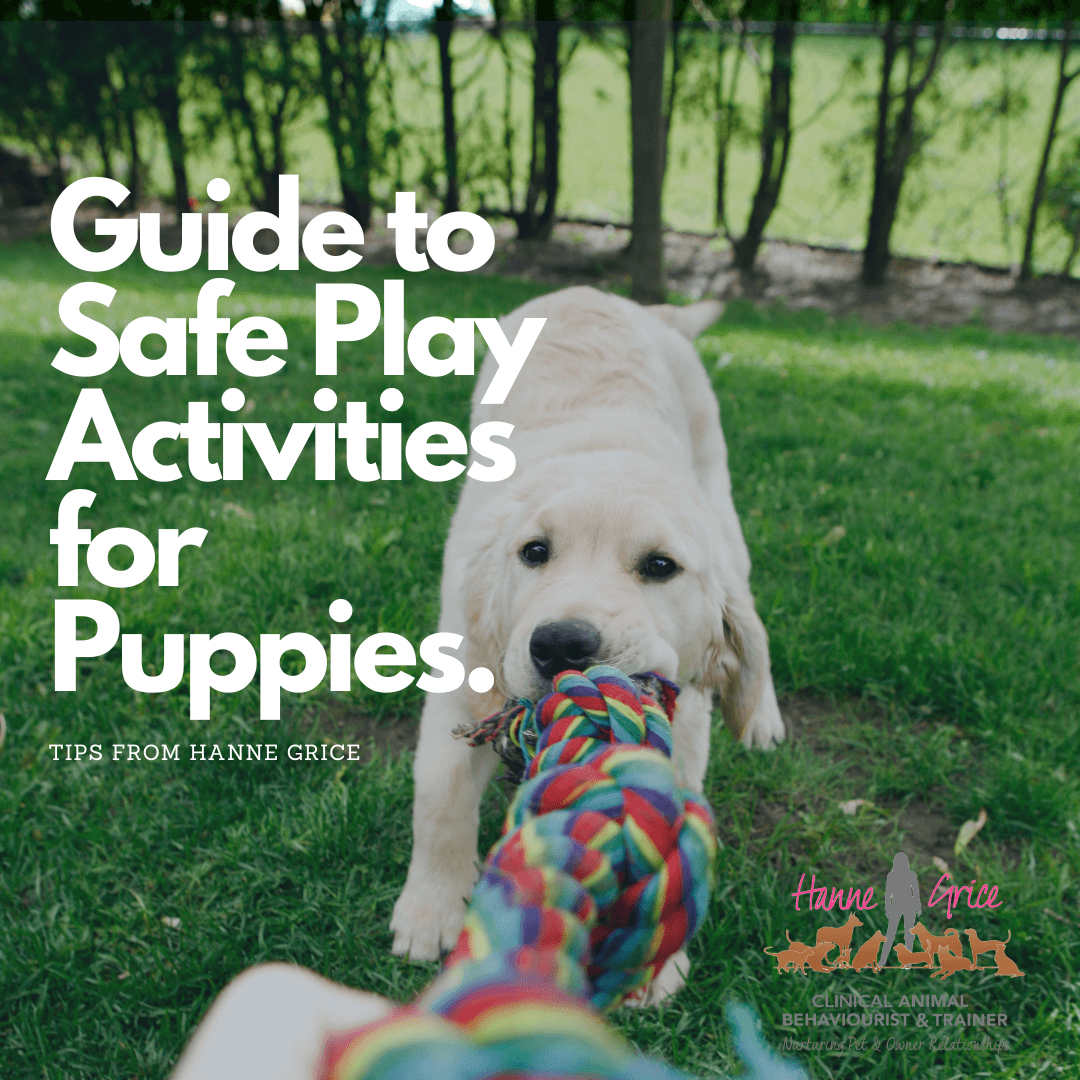
- ✦ Fetch games
Fetching encourages running, focus, and cooperation between dogs and owners.
- ✦ Tug games
Tug can provide exercise and teach dogs impulse control when played safely.
- ✦ Puzzle toys
Puzzle toys challenge dogs to solve problems and find rewards.
- ✦ Training games
Short training sessions turn learning into an enjoyable play experience.
Indoor Play Ideas for Dogs
Indoor activities are useful during bad weather or when outdoor space is limited. Hide-and-seek, toy searches, and simple commands can keep dogs busy inside.
- ✦ Hide treats
Encourage your dog to use scent skills by searching for hidden rewards.
Dog Play Routines for Puppies, Adults, and Senior Dogs
A dog’s age changes how much play they need. Puppies often have high curiosity but limited stamina, while senior dogs may need slower activities that protect their joints.
Good Dog play routines grow with your dog. Owners should update activities as their pet becomes older, stronger, or more comfortable with training.

- ✦ Puppy routines
Focus on safe exploration, basic training, social skills, and short play sessions.
- ✦ Adult dog routines
Combine exercise, games, and learning to maintain physical and mental health.
- ✦ Senior dog routines
Choose gentle movement, scent games, and low-impact activities.
Avoiding Overstimulation
Too much intense play can make some dogs overly excited. Include calm periods after active games so your dog learns how to relax.
- ✦ Watch body language
Signs like hiding, slowing down, or excessive panting may mean your dog needs a break.
Common Mistakes When Building Dog Play Routines
Many owners create good intentions but struggle because the routine does not match their dog’s needs. Understanding common mistakes makes it easier to build a successful plan.
A quality routine should be flexible. Dogs are individuals, and their energy can change from day to day.

- ✦ Only using physical exercise
Dogs also need mental challenges, not just running or walking.
- ✦ Ignoring rest time
Recovery is important for preventing stress and exhaustion.
- ✦ Making play too predictable
Adding new games keeps dogs interested and curious.
How to Improve Your Routine
Track which activities your dog enjoys most. Small changes based on your dog’s reactions can make the routine more effective.
- ✦ Test different games
Try different activities and keep the ones your dog enjoys.
