
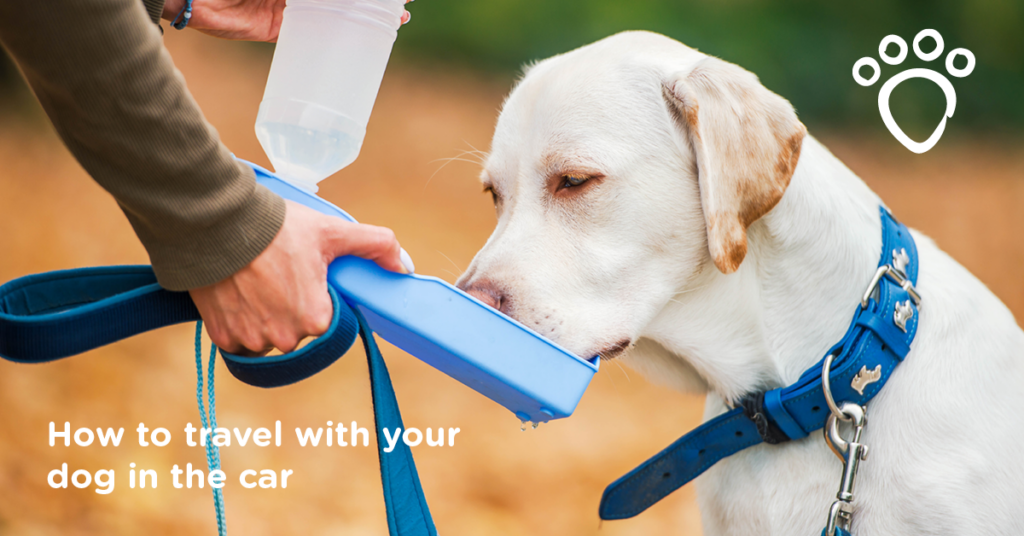
Many dogs in the United States travel by car for vet visits, parks, family trips, and daily errands. A calm car routine does not happen overnight. Dogs need patient training that helps them understand the car is a safe place.
From my experience studying dog behavior and training routines, the biggest mistake owners make is rushing the process. Successful Dog breed car travel training starts with small steps, positive rewards, and careful attention to the dog’s comfort level.

Why Dog Breed Car Travel Training Matters
Car travel can feel strange to dogs because they experience new sounds, movement, smells, and vibrations. Without training, some dogs may bark, shake, drool, or try to escape the vehicle.
Dog breed car travel training creates a positive connection between the dog and the car. A trained dog is easier to handle during emergencies, vacations, and regular trips.

- ✦ Builds confidence
Training helps dogs feel secure instead of viewing the car as a scary place.
- ✦ Improves safety
A calm dog is less likely to distract the driver or move around dangerously.
How Different Dogs React to Car Travel
Breed traits can influence how dogs respond to travel. Some active breeds enjoy adventure, while more sensitive dogs may need extra time before they feel comfortable.
Age and past experiences often matter more than breed alone. A rescue dog with a difficult history may need slower training than a puppy.
- ✦ Puppies
Young dogs often adapt quickly when car rides become part of early social learning.
- ✦ Adult dogs
Older dogs may need patience if they already developed fear or motion sickness.
Preparing Your Dog Before the First Car Ride
Good Dog breed car travel training begins before the engine starts. The first goal is to make the vehicle a comfortable and familiar space.
Let your dog explore the parked car. Allow sniffing, sitting, and relaxing without forcing movement. Reward calm behavior with treats or praise.
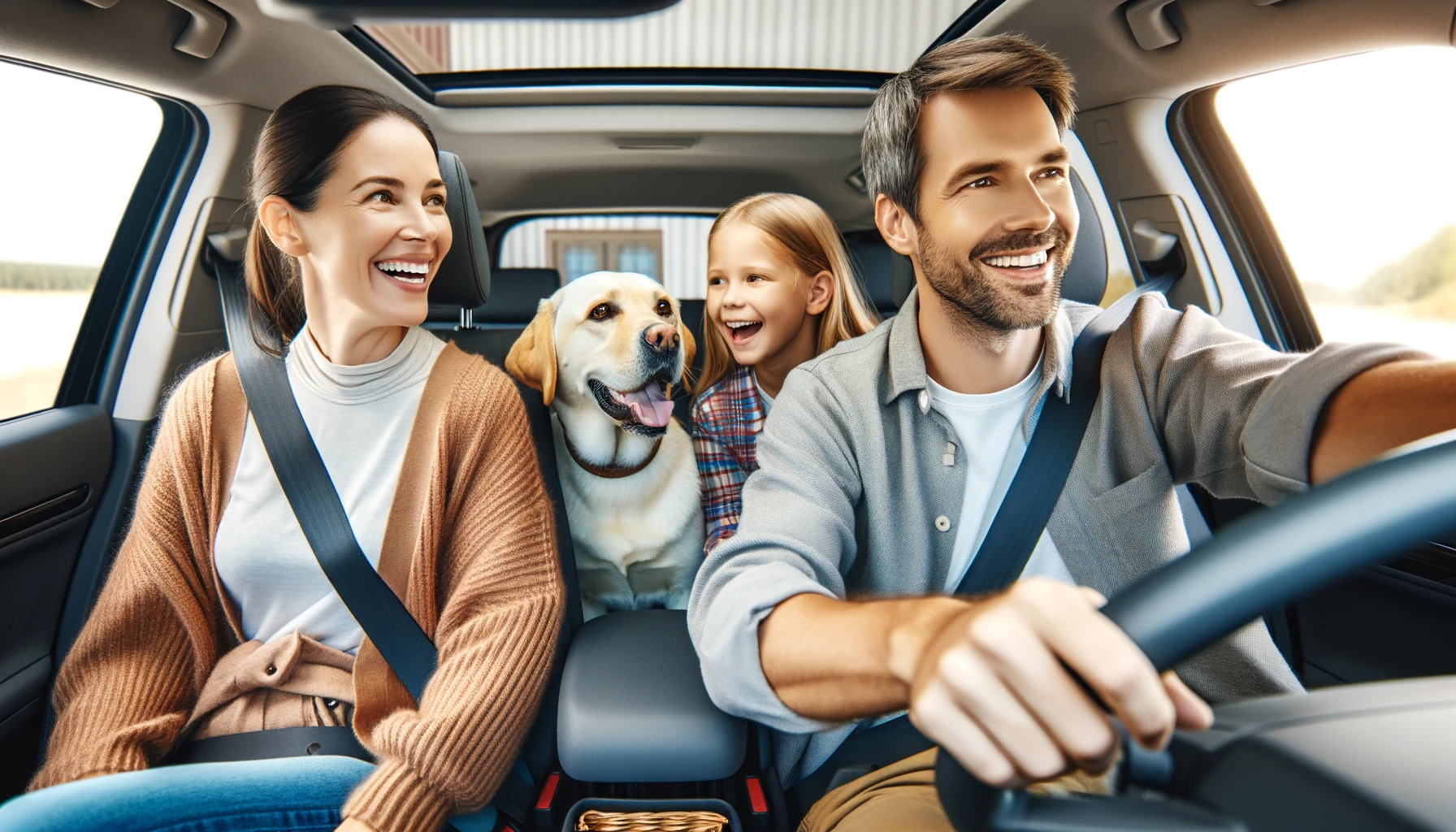
- ✦ Create a safe setup
Use a crate, travel harness, or secured area that fits your dog’s size and needs.
- ✦ Prepare familiar items
A favorite blanket or toy can help your dog feel more relaxed.
Steps for Positive Car Introduction
Start with short sessions inside a parked vehicle. Slowly increase exposure once your dog shows calm behavior.
Avoid pushing fearful dogs into the car. Forced experiences can increase anxiety and make future training harder.
- ✦ Step one
Allow your dog to investigate the car while it is turned off.
- ✦ Step two
Reward your dog for entering and relaxing inside.
Training Techniques for Calm Car Rides
Effective Dog breed car travel training uses repetition and rewards. Dogs learn faster when they understand what behavior earns positive results.
Begin with very short drives around your neighborhood. Slowly add distance as your dog becomes comfortable.

- ✦ Use positive reinforcement
Reward calm sitting, quiet behavior, and relaxed body language.
- ✦ Practice regularly
Frequent short sessions are usually better than rare long trips.
Helping Dogs With Motion Sickness
Some dogs feel sick during car rides because their balance system is still adapting. Puppies experience this more often because their bodies are still developing.
Talk with a veterinarian if your dog shows repeated vomiting or severe discomfort during travel.
- ✦ Before travel
Avoid large meals right before a ride and provide water when needed.
Car Safety Rules Every Dog Owner Should Follow
Training is important, but safety equipment is equally important. Dogs should never ride loose in a moving vehicle because sudden stops can cause injuries.
American dog owners should choose travel solutions that match their dog’s weight, size, and comfort. Safety needs change as dogs grow.
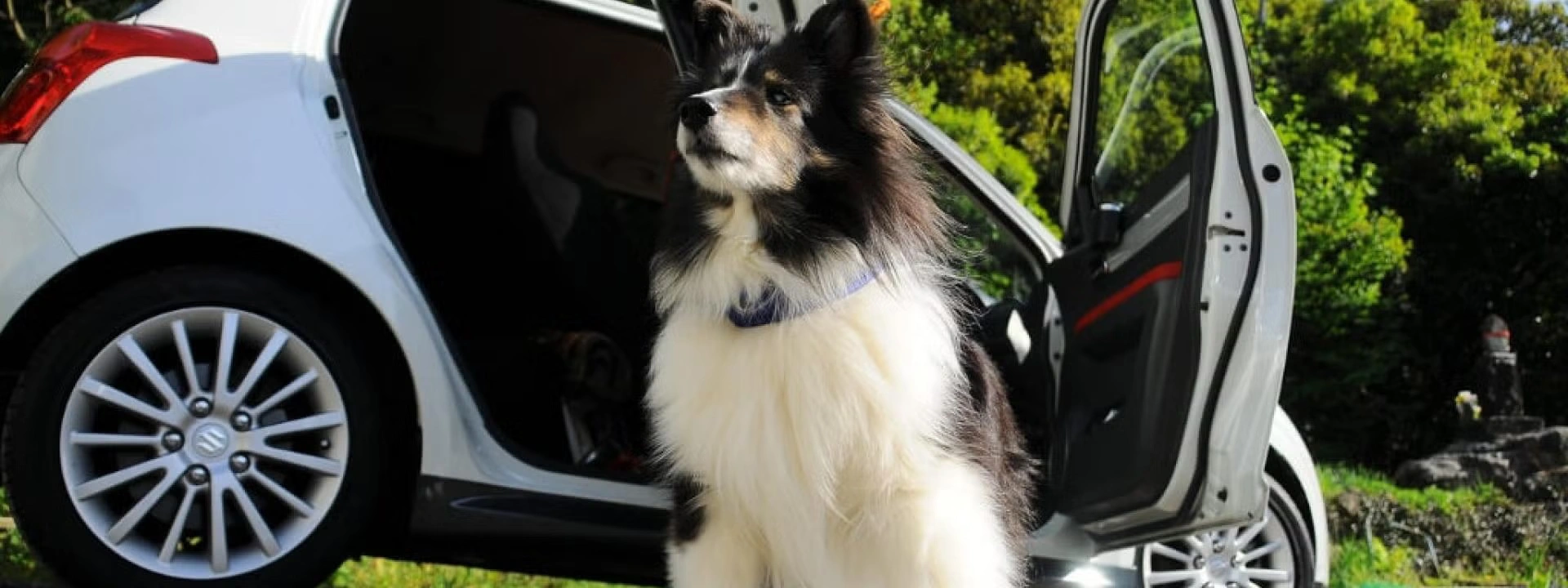
- ✦ Secure your dog
Use crash-tested restraints, travel crates, or barriers designed for pets.
- ✦ Avoid dangerous habits
Never allow dogs to ride on the driver’s lap or hang their head outside the window.
Preparing for Long Road Trips
Long trips require extra planning. Pack food, water, medication if needed, waste bags, and comfort items.
Plan breaks so your dog can stretch, drink water, and relax during the journey.
- ✦ Travel checklist
Prepare supplies before leaving home to reduce stress during the trip.
Common Mistakes in Dog Breed Car Travel Training
Many owners want quick results, but rushing can create stronger fear. Dogs need time to build trust with new experiences.
The best Dog breed car travel training plans focus on progress, not speed. Small improvements create lasting habits.
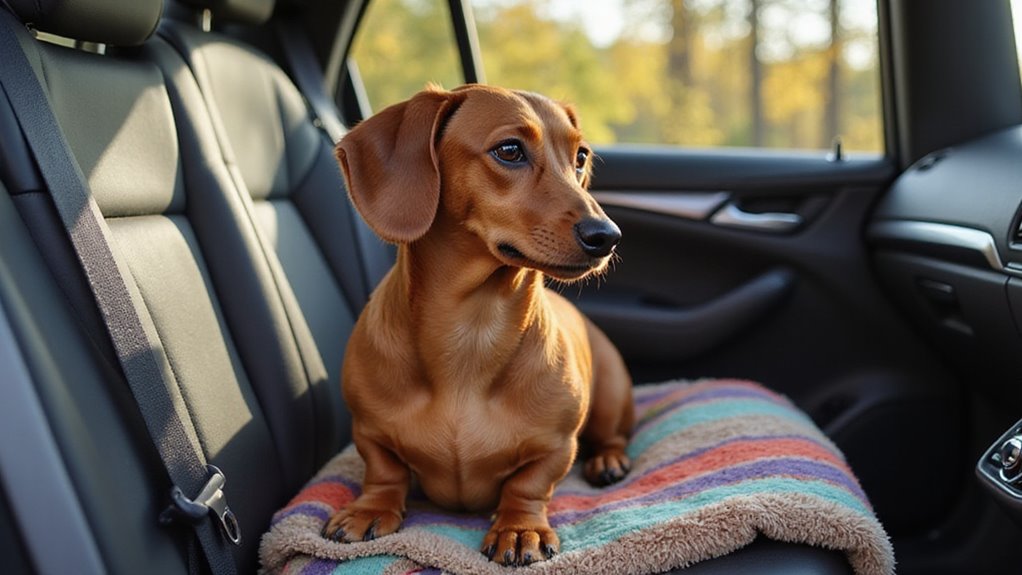
- ✦ Starting with long trips
A first experience should not be a stressful multi-hour journey.
- ✦ Ignoring warning signs
Panting, shaking, whining, and hiding can show that your dog needs slower training.
Building Long-Term Travel Confidence
Continue practicing even after your dog becomes comfortable. Regular positive rides keep travel skills strong.
A confident travel dog can enjoy more experiences with family, from local adventures to road trips.
- ✦ Keep sessions positive
End training sessions before your dog becomes overwhelmed.
