
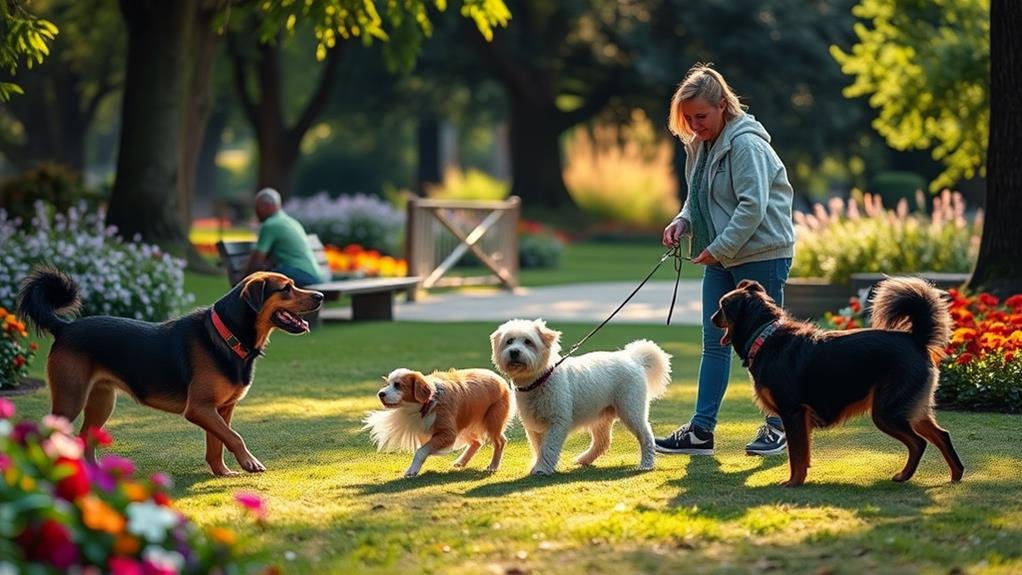
Dogs are highly social animals. They do not learn only through direct training. They also watch, listen, and study what happens around them. This natural ability helps dogs understand people, other animals, and daily routines.
In my experience working with dog behavior topics, many training challenges improve when owners understand how dogs learn socially. A puppy that watches a calm adult dog may become more confident. A dog that sees humans reward calm behavior often repeats that behavior.
What Is Dog Social Learning?
Dog social learning is the process where dogs learn from observing and interacting with other beings. Instead of discovering everything through trial and error, dogs can gain information by watching examples.
This type of learning helps dogs understand household rules, play styles, communication signals, and emotional responses. It plays a major role in puppy development and adult dog behavior.
- ✦ Observation
Dogs watch actions and results, such as seeing another dog sit before receiving a treat.
- ✦ Imitation
Some dogs copy behaviors they see from other dogs or humans.
- ✦ Social feedback
Dogs learn from reactions, rewards, and corrections during interactions.
How Dogs Use Observation to Learn
A dog may notice small details in daily life. It can learn when a family member prepares for a walk, when food arrives, or when calm behavior receives attention.
How Dogs Learn From Other Dogs
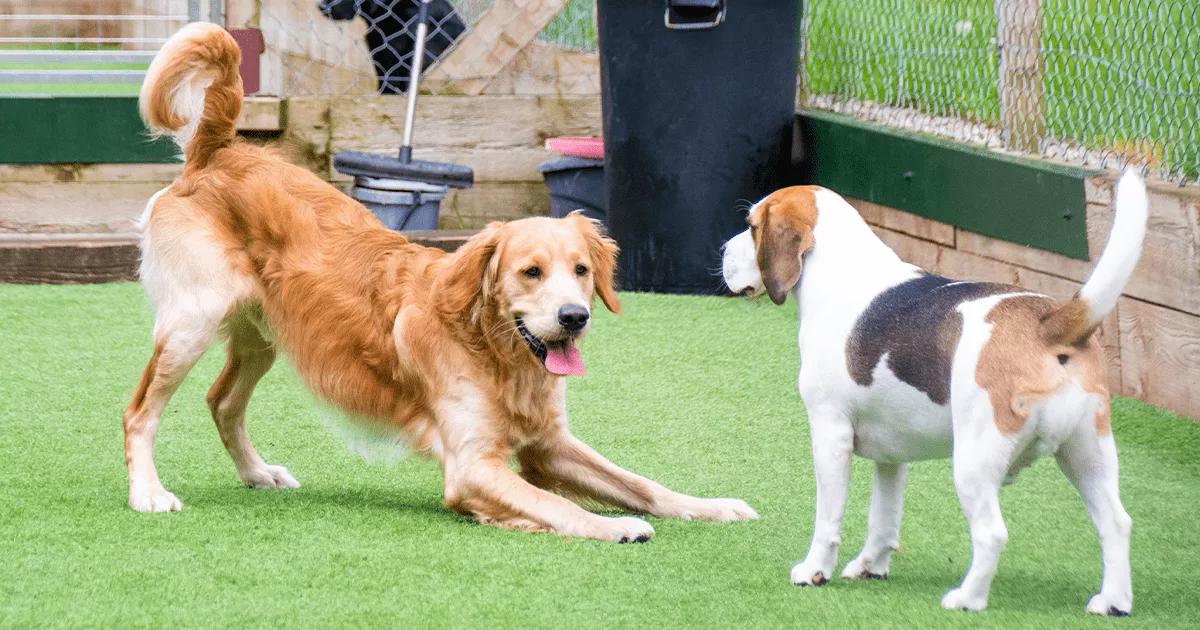
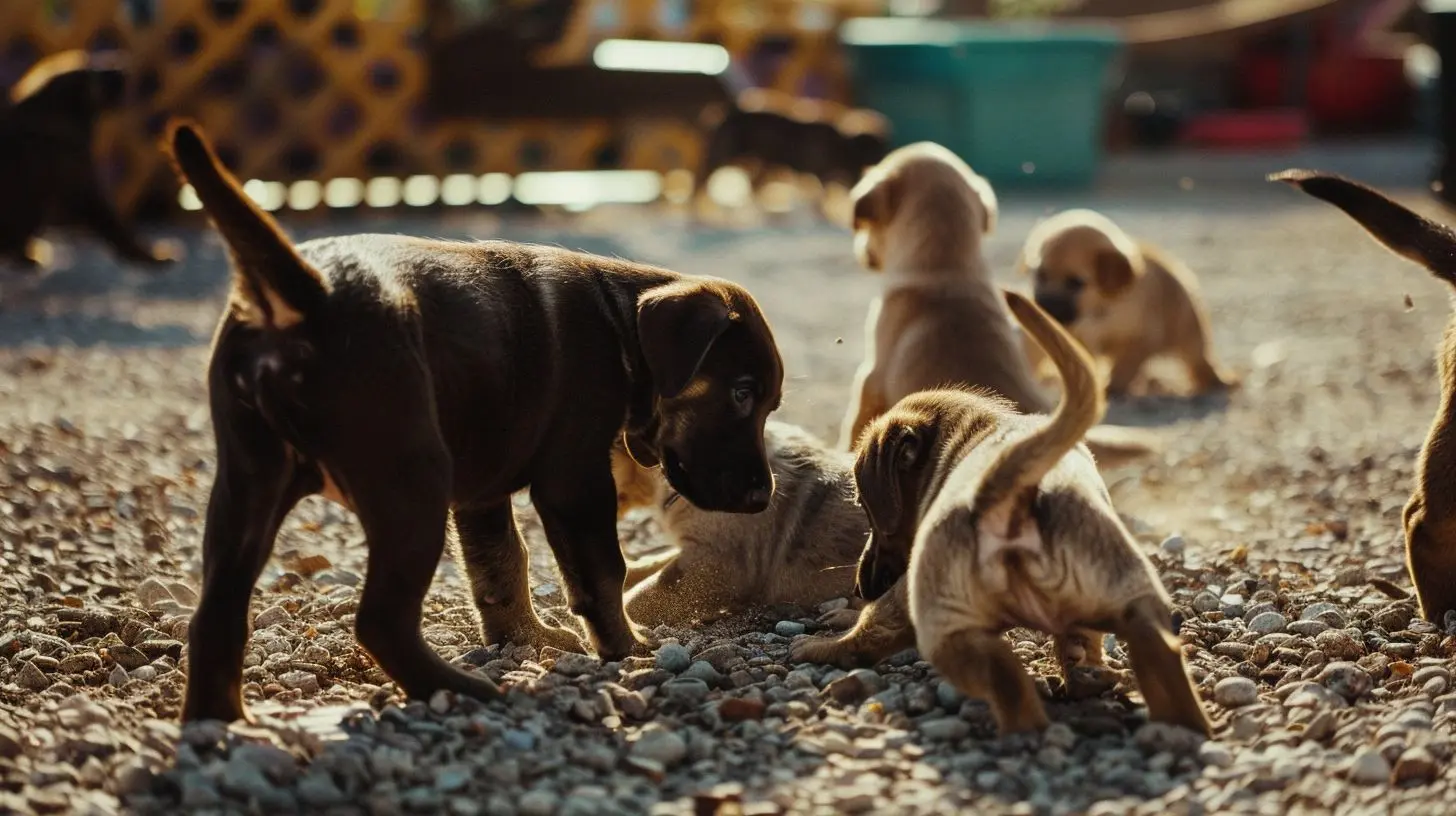
Dogs often learn important social skills from other dogs. Puppies learn bite control, play manners, and body language through safe interactions with suitable companions.
A balanced adult dog can teach puppies useful lessons. However, not every dog interaction creates positive learning. Fearful or aggressive experiences can also influence future behavior.
- ✦ Play behavior
Dogs learn limits and communication through healthy play.
- ✦ Body language
Dogs understand signals such as posture, movement, and facial expressions.
The Role of Group Training Classes
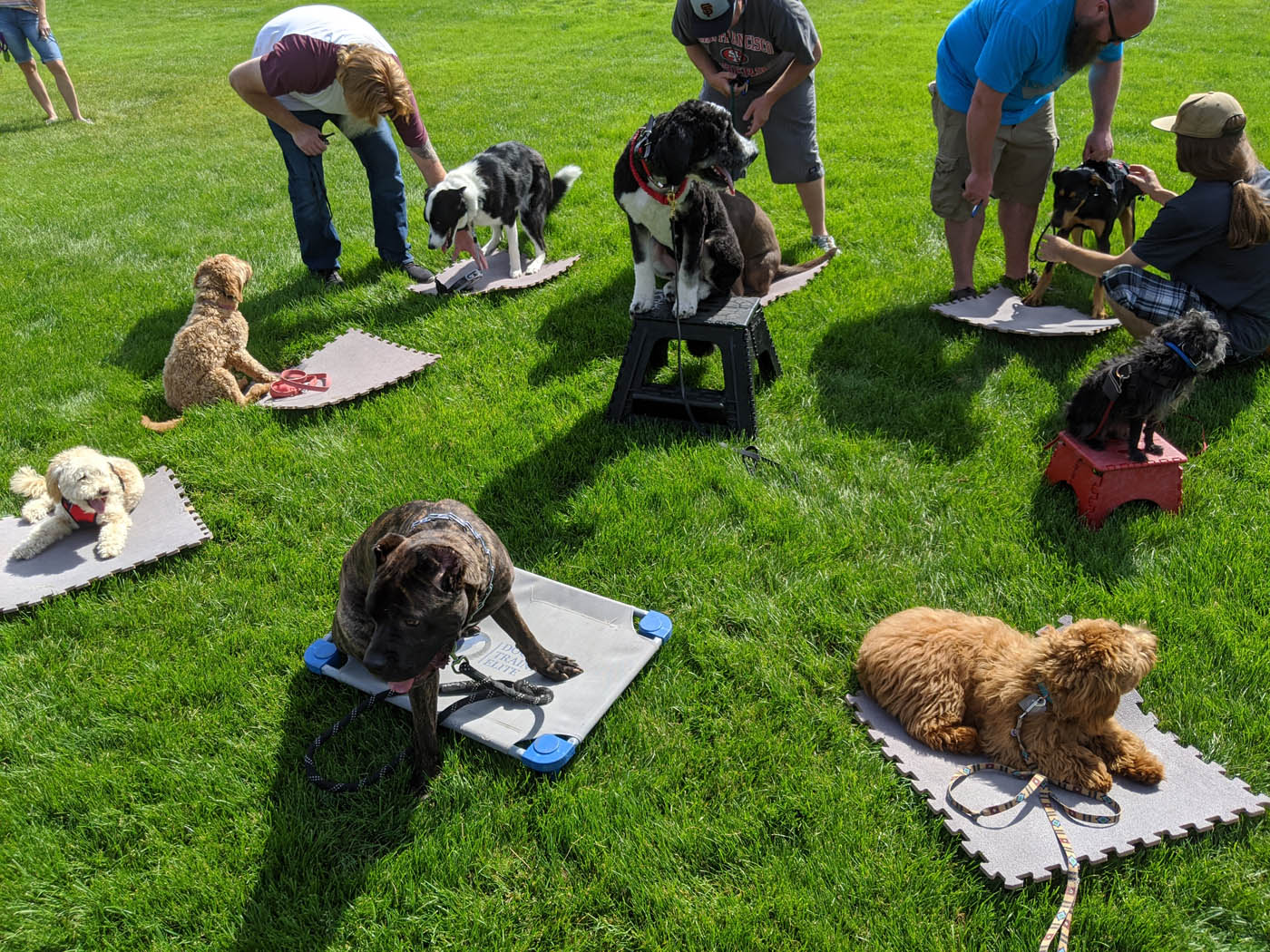
Well-managed group classes can support dog social learning because dogs practice focus around distractions. Trainers guide interactions so dogs learn calm behavior instead of uncontrolled excitement.
How Humans Influence Dog Social Learning
People are one of the strongest sources of social learning for dogs. Dogs notice human habits, emotions, voice tone, and reactions.
Owners can guide learning by showing clear patterns. When calm behavior receives praise and rewards, dogs are more likely to repeat it.

- ✦ Consistent routines
Regular schedules help dogs understand expectations.
- ✦ Positive examples
Calm human behavior can encourage calmer dog responses.
Benefits of Dog Social Learning
Dog social learning can support better behavior when experiences are safe and positive. It helps dogs understand the world and respond with more confidence.
Many owners notice improvements when they combine direct training with real-life social experiences.
- ✦ Builds confidence
Positive experiences can help dogs feel safer in new situations.
- ✦ Improves communication
Dogs learn how to interact better with people and animals.
- ✦ Supports training
Dogs may learn faster when they see successful behaviors.
Factors That Affect Dog Social Learning
Not every dog learns the same way. Age, personality, past experiences, and environment can change how a dog responds to social learning opportunities.
A young puppy may quickly explore new things, while an adult rescue dog may need slower introductions and more patience.

- ✦ Age
Puppies often have important early learning periods.
- ✦ Past experiences
Previous events can shape confidence and reactions.
- ✦ Individual personality
Some dogs are naturally more curious or cautious.
Avoiding Negative Social Learning
Owners should choose safe social settings. Forced interactions can create stress and teach unwanted responses.
