
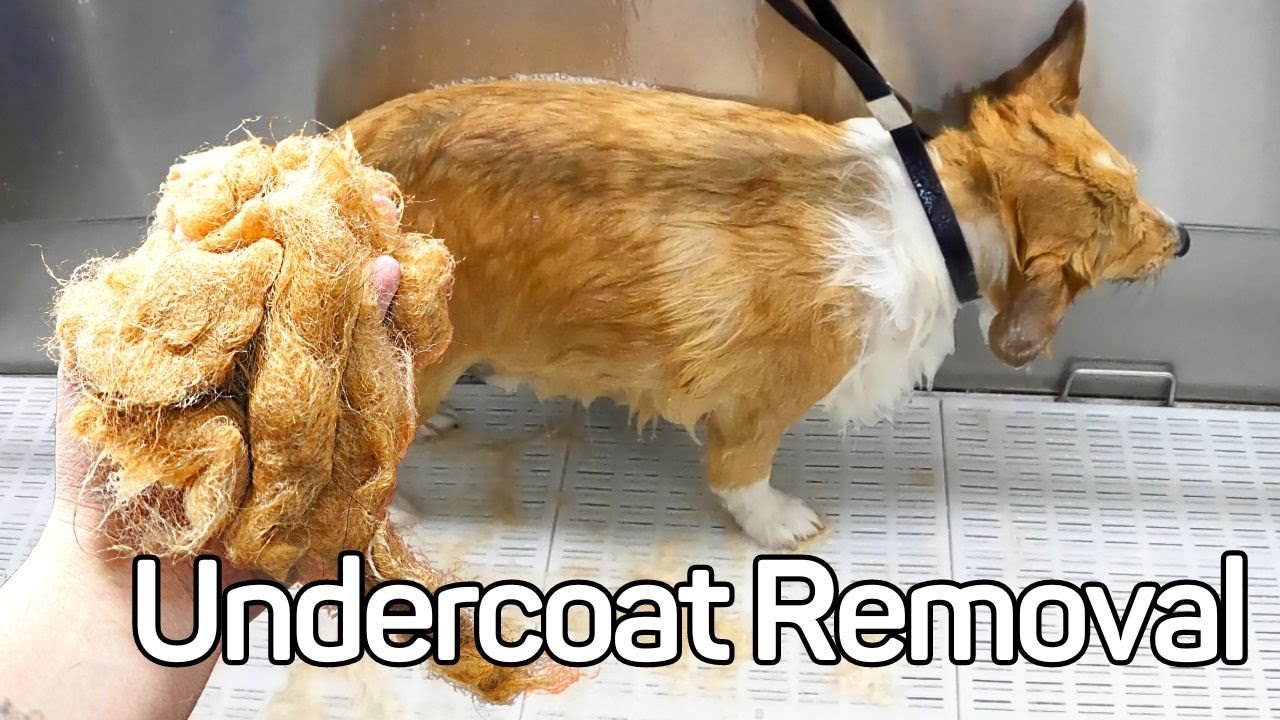
Many dog owners in the United States notice large amounts of fur around their homes during seasonal shedding. Breeds like Huskies, German Shepherds, Golden Retrievers, and Australian Shepherds often release thick layers of undercoat as their bodies adjust to temperature changes.
From a professional grooming perspective, dog undercoat removal is not about stripping away all the soft inner fur. The goal is to remove dead, loose hair while protecting the natural insulation that helps dogs stay warm in winter and cool in summer.
A good grooming routine uses the correct tools, gentle handling, and regular sessions. When done correctly, undercoat care can improve comfort, reduce mats, and make daily brushing easier.

What Is Dog Undercoat Removal and Why Does It Matter?
Dog undercoat removal is the process of removing loose, dead hair from the soft inner layer of a dog’s coat. Many double-coated breeds have two layers: a protective outer coat and a dense undercoat that traps air for insulation.
During shedding seasons, the undercoat can loosen and fall out in large amounts. Removing this loose fur helps prevent excessive shedding around the home and keeps the coat cleaner.
The process should never remove healthy hair that the dog still needs. A balanced approach keeps the coat functional and protects the dog’s skin.

- ✦ Controls loose shedding
Regular grooming removes loose undercoat before it spreads around furniture, floors, and clothing.
- ✦ Supports skin comfort
A clean coat allows better airflow and makes it easier to notice dry skin, irritation, or hidden problems.
- ✦ Maintains natural protection
Proper dog undercoat removal keeps the protective coat structure intact.
Dogs That Commonly Need Undercoat Care
Double-coated dogs usually need more undercoat maintenance than single-coated breeds. Their thick inner layer can collect loose hair that requires regular brushing.
- ✦ Popular double-coated breeds
Huskies, Malamutes, Collies, Corgis, German Shepherds, and Retrievers often benefit from routine undercoat care.
How to Perform Dog Undercoat Removal Safely at Home
Home grooming can be simple when you use the right steps. Start by checking your dog’s coat for tangles, dirt, or skin issues before brushing.
Work slowly and follow the direction of hair growth. Pulling hard against the coat can cause discomfort and may damage healthy fur.
A calm environment helps dogs accept grooming. Short sessions are often better than one long session that creates stress.

- ✦ Step one: Prepare the coat
Remove surface dirt and small tangles before using an undercoat tool.
- ✦ Step two: Brush gently
Use smooth strokes and avoid pressing too hard against the skin.
- ✦ Step three: Check results
Stop when loose fur is removed and the coat looks clean, not thin.
Common Mistakes to Avoid
One common mistake is over-brushing the same area for too long. This can irritate skin and remove more hair than needed.
- ✦ Avoid shaving double-coated dogs
Shaving does not replace dog undercoat removal and may affect the coat’s natural protection.
Best Tools for Dog Undercoat Removal
The right grooming tool makes dog undercoat removal easier and safer. Different coats need different tools, so the best option depends on your dog’s breed, coat length, and shedding pattern.
Many professional groomers use a combination of brushes instead of relying on one tool. This allows them to remove loose hair while protecting the outer coat.

- ✦ Undercoat rake
An undercoat rake reaches loose inner fur in thick coats and works well for heavy shedders.
- ✦ Slicker brush
A slicker brush helps remove smaller loose hairs and smooth the coat surface.
- ✦ Deshedding tool
Deshedding tools can remove loose undercoat when used carefully and correctly.
Choosing Tools Based on Coat Type
Long-haired dogs may need tools that reach deeper layers, while shorter double coats often need gentler brushes.
- ✦ Thick coats
Use tools designed for dense fur and avoid excessive pressure.
How Often Should You Remove a Dog’s Undercoat?
The frequency of dog undercoat removal depends on breed, climate, lifestyle, and shedding cycle. Dogs living in areas with strong seasonal changes may shed more during spring and fall.
Many owners benefit from weekly brushing, while heavy shedders may need more frequent grooming during coat blowout periods.
The goal is consistent maintenance, not removing large amounts of fur at once.

- ✦ Weekly maintenance
Regular brushing keeps loose hair under control for many dogs.
- ✦ Seasonal shedding
Increase grooming during heavy shedding periods when dogs release extra undercoat.
Signs Your Dog Needs Undercoat Removal
Visible loose fur, increased shedding, and small clumps of hair are common signs that your dog may need extra grooming.
- ✦ Heavy shedding
Large amounts of loose hair around your home can indicate an active shedding cycle.
Benefits and Limitations of Dog Undercoat Removal
Dog undercoat removal offers many grooming benefits, but it is not a cure for all shedding problems. Diet, health, genetics, and environment also affect coat condition.
A healthy coat comes from a complete care routine that includes nutrition, regular brushing, proper bathing, and veterinary care when needed.

- ✦ Main benefits
Cleaner coat, reduced loose fur, easier brushing, and improved comfort are common benefits.
- ✦ Important limitation
Undercoat removal cannot stop normal shedding because shedding is a natural biological process.
When to Ask a Professional Groomer
Professional help may be useful for dogs with severe mats, sensitive skin, or difficult grooming behavior.
- ✦ Complex coats
Some breeds need expert handling to avoid coat damage.
