
understanding dog ear anatomy helps owners care for their pets better. A dog’s ear is more complex than it looks. Each part works together to collect sound, protect delicate tissues, and maintain balance.
In my experience studying pet health topics, many ear problems begin because owners only look at the visible ear flap and miss the deeper parts. Learning the basic structure makes daily ear checks easier and more useful.

What Is Dog Ear Anatomy and Why Does It Matter?
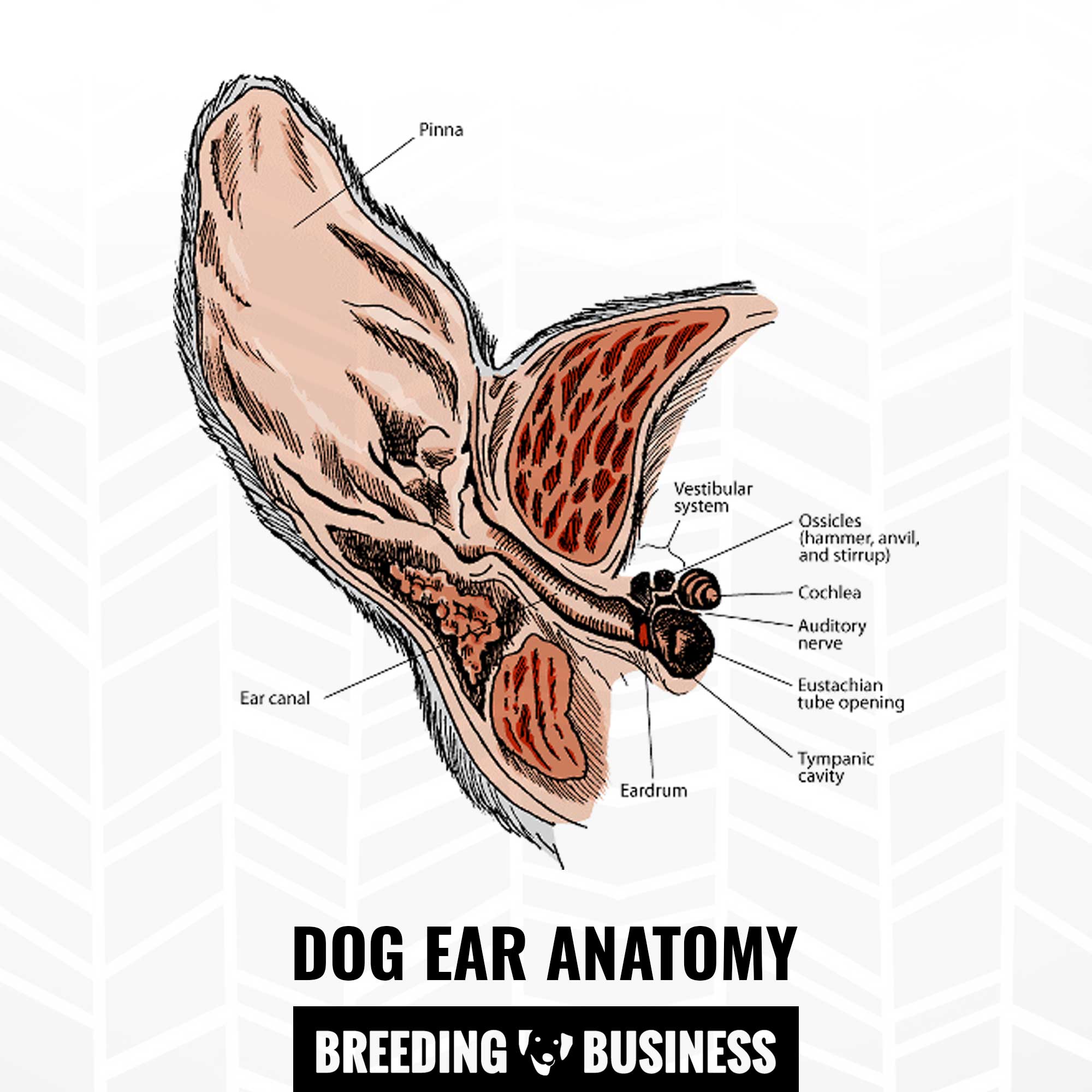
Dog ear anatomy describes the complete structure of a dog’s hearing system. It includes the visible ear flap, ear canal, eardrum, tiny bones, and inner ear organs.
A clear understanding of dog ear anatomy helps explain why dogs hear much better than humans. It also helps owners recognize signs of discomfort before a small issue becomes serious.
- ✦ Better hearing
Dogs use their ears to detect sounds from different directions and distances.
- ✦ Body balance
The inner ear helps dogs control movement and maintain balance.
- ✦ Early health checks
Knowing normal ear structure makes unusual changes easier to notice.
The Three Main Parts of Dog Ear Anatomy
The dog ear has three major sections: the outer ear, middle ear, and inner ear. Each section has a specific job in the hearing process.
These parts create a pathway that moves sound from the environment into signals the brain can understand.

- ✦ Outer ear
The outer ear collects sound waves and directs them toward the ear canal.
- ✦ Middle ear
The middle ear transfers vibrations through small bones and protects the eardrum.
- ✦ Inner ear
The inner ear converts sound vibrations into nerve signals and supports balance.
Outer Ear Structure
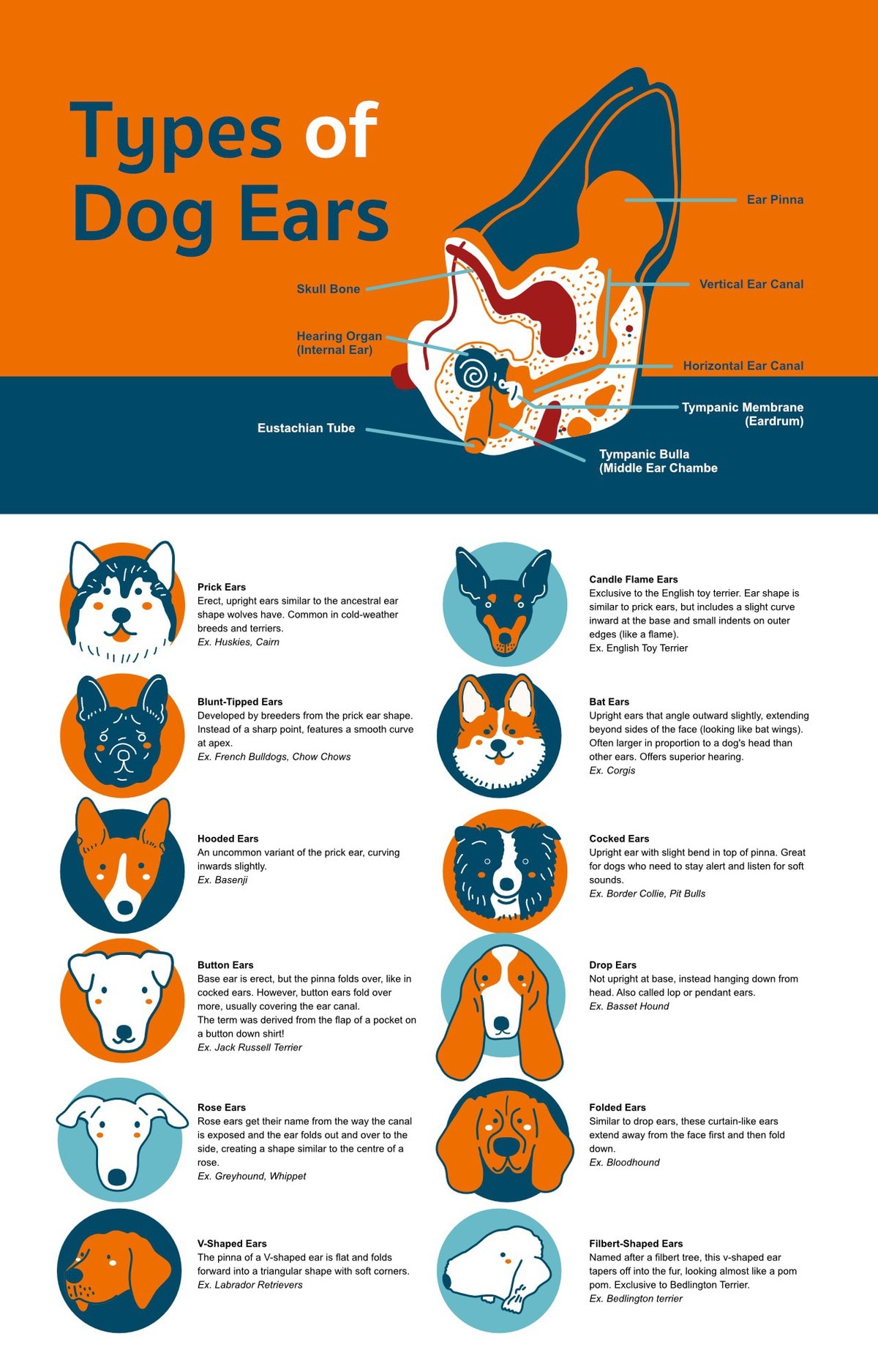
The outer ear includes the pinna, which is the visible flap, and the ear canal. Dog breeds have different ear shapes, from upright ears to floppy ears, but all serve the same basic purpose.
The pinna helps capture sound and can move in many dogs. These movements help dogs locate where sounds come from.
- ✦ Pinna
The pinna is the external ear flap that gathers sound waves.
- ✦ Ear canal
The ear canal carries sound toward the eardrum.
Middle and Inner Ear Structure
The middle ear contains the eardrum and tiny bones called ossicles. These bones increase vibrations and send them deeper into the ear.
The inner ear contains the cochlea and balance organs. This area changes sound vibrations into messages sent to the brain.
- ✦ Cochlea
The cochlea helps turn sound vibrations into electrical signals.
- ✦ Vestibular system
The vestibular system helps dogs keep their balance.
How Dog Ears Work and How Dogs Hear
Dog ear anatomy allows dogs to hear a wide range of sounds. Their ears collect sound waves, move vibrations through internal structures, and send information to the brain.
Dogs can also move their ears to focus on specific sounds. This ability helps them react quickly to people, animals, and changes around them.
- ✦ Sound collection
The ear flap gathers sound from the environment.
- ✦ Sound processing
The middle and inner ear process vibrations and send signals to the brain.
Differences in Dog Ear Anatomy by Breed
Dog ear anatomy varies between breeds because ear shape affects airflow, moisture, and sound collection. German Shepherds often have upright ears, while Cocker Spaniels have long floppy ears.
Floppy ears may trap more moisture and reduce airflow. This does not mean every floppy-eared dog will have problems, but owners should pay attention to ear health.

- ✦ Upright ears
These ears often allow more airflow and easy visibility of the ear opening.
- ✦ Floppy ears
These ears may need more regular checks because the ear canal can stay warmer and less dry.
Common Problems Related to Dog Ear Anatomy
Because dog ears contain many small structures, problems can affect hearing, comfort, and balance. Common issues include infections, allergies, wax buildup, and foreign objects.
Learning dog ear anatomy helps owners understand why symptoms such as scratching, head shaking, or bad smells should not be ignored.
- ✦ Ear infections
Bacteria or yeast can grow inside the ear and cause pain or irritation.
- ✦ Ear mites
Tiny parasites can cause itching and dark debris inside the ear.
- ✦ Wax buildup
Too much wax can block airflow and create discomfort.
How to Keep Your Dog’s Ears Healthy
Healthy dog ear anatomy depends on good care habits. Regular checks can help owners notice redness, swelling, odor, or unusual discharge.
Cleaning should be gentle and done with products made for dogs. Avoid putting objects deep into the ear canal because this can damage sensitive areas.

- ✦ Check regularly
Look at your dog’s ears during routine grooming sessions.
- ✦ Use safe cleaning methods
Follow veterinarian-approved ear cleaning practices.
- ✦ Seek veterinary help
Persistent symptoms need professional evaluation.
