
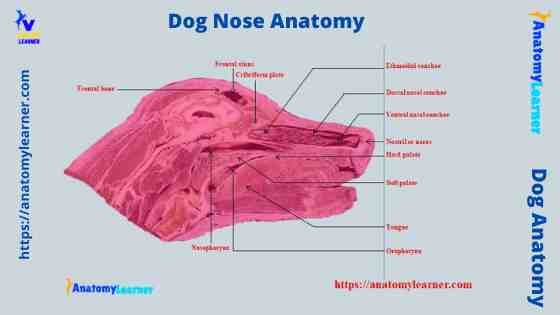
Dog nose anatomy shows why dogs experience the world in a very different way from humans. A simple sniff can provide information about food, other animals, people, and their surroundings.
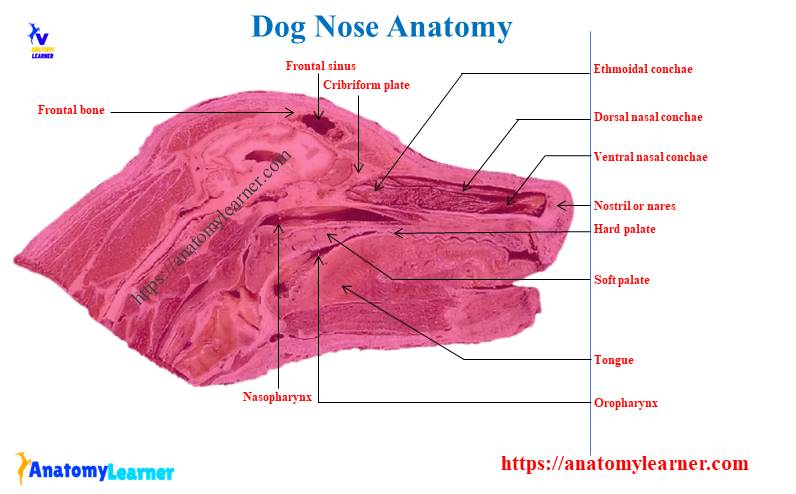
When studying dog nose anatomy, experts look at the outer nose, nasal passages, scent receptors, and airflow system. These parts work together to make the canine sense of smell highly advanced.
Many American dog owners notice their pets constantly sniffing during walks. This behavior is normal because scent exploration is one of the main ways dogs gather information.
 display: block; margin: 0 auto; border-radius: 12px; box-shadow: 0 8px 25px rgba(0, 0, 0, 0.12);”>
Understanding the Basic Structure of Dog Nose Anatomy
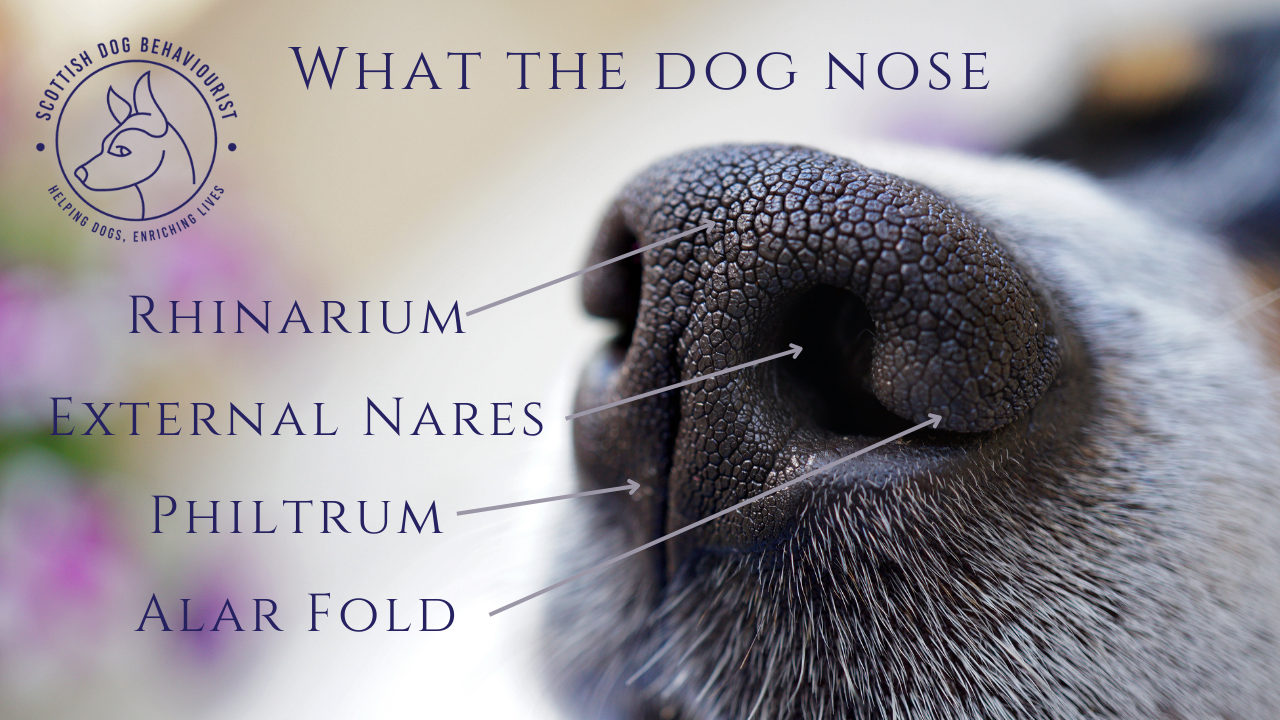
The outer part of a dog’s nose is called the nasal planum. This is the hairless, textured area at the end of the muzzle where the nostrils are located.
Dog nose anatomy includes several layers that support smell and breathing. The nostrils guide air into the nasal cavity, where the body filters and analyzes scent particles.
A dog’s nose may look simple from the outside, but it contains many specialized structures hidden beneath the surface.
- ✦ Nostrils
The nostrils allow air to enter and leave while helping dogs separate different scent streams.
- ✦ Nasal planum
The nasal planum contains skin patterns and moisture that help trap scent molecules.
- ✦ Nasal cavity
The nasal cavity contains tissues that warm, clean, and analyze incoming air.
The Role of the Nasal Cavity
The nasal cavity is a major part of dog nose anatomy. Inside this space are thin bone structures called turbinates that increase the surface area available for smell detection.
Air moves through these passages before reaching scent receptors. This design allows dogs to collect detailed information from very small odor traces.
How a Dog Uses Its Nose for Smell
The most impressive feature of dog nose anatomy is the smell system. Dogs have many more scent receptors than humans, which helps them identify tiny odor differences.
When a dog sniffs, it does not only breathe. It also directs air toward special smell-processing areas inside the nose.
This ability explains why dogs help humans in many roles, including search and rescue, detection work, and medical research.

- ✦ Scent detection
Dogs can recognize unique smells even when odors mix together in their environment.
- ✦ Scent memory
Dogs can connect smells with places, people, and past experiences.
Why Dogs Have Wet Noses
A wet nose is a common feature connected to dog nose anatomy. The moisture helps collect scent particles from the air.
Dogs also produce mucus from glands near the nose. This thin layer can improve their ability to detect smells.
A dry nose does not always mean a dog is sick. Normal changes can happen after sleep, weather changes, or activity.

- ✦ Scent collection
Moisture helps trap odor molecules so the smell system can process them.
- ✦ Temperature control
The nose can support body cooling through moisture evaporation.
The Connection Between Dog Nose Anatomy and Breathing
The canine nose does more than detect smells. It also prepares air before it reaches the lungs.
Inside the nasal passages, air is filtered, warmed, and humidified. This protects the respiratory system during normal daily activities.
Healthy dog nose anatomy supports both smell and comfortable breathing.

- ✦ Air filtration
Nasal tissues help remove unwanted particles from incoming air.
- ✦ Air conditioning
The nose adjusts air temperature and moisture before breathing continues.
Different Dog Nose Types and Colors
Dog nose anatomy is similar across breeds, but the outside appearance can vary. Some dogs have black noses, while others have brown, pink, or spotted noses.
Breed genetics affect nose color and shape. A Labrador Retriever, Bulldog, and Greyhound may have different-looking noses while sharing the same basic structures.
A dog’s nose pattern is also unique, similar to a human fingerprint.
- ✦ Nose color changes
Some dogs naturally develop lighter nose colors as they age.
- ✦ Breed differences
Muzzle shape can change how the external nose appears.
Signs of a Healthy Dog Nose
Understanding dog nose anatomy helps owners notice normal and unusual changes. A healthy nose often has normal moisture, regular airflow, and no major swelling.
Pet owners in the United States should watch for sudden changes, especially when they appear with other symptoms like coughing, sneezing, or low energy.
A veterinarian can check nasal health when concerns continue.
- ✦ Normal signs
A healthy dog may have a cool or warm nose depending on activity and environment.
- ✦ Warning signs
Persistent discharge, bleeding, swelling, or breathing trouble may need veterinary attention.
