
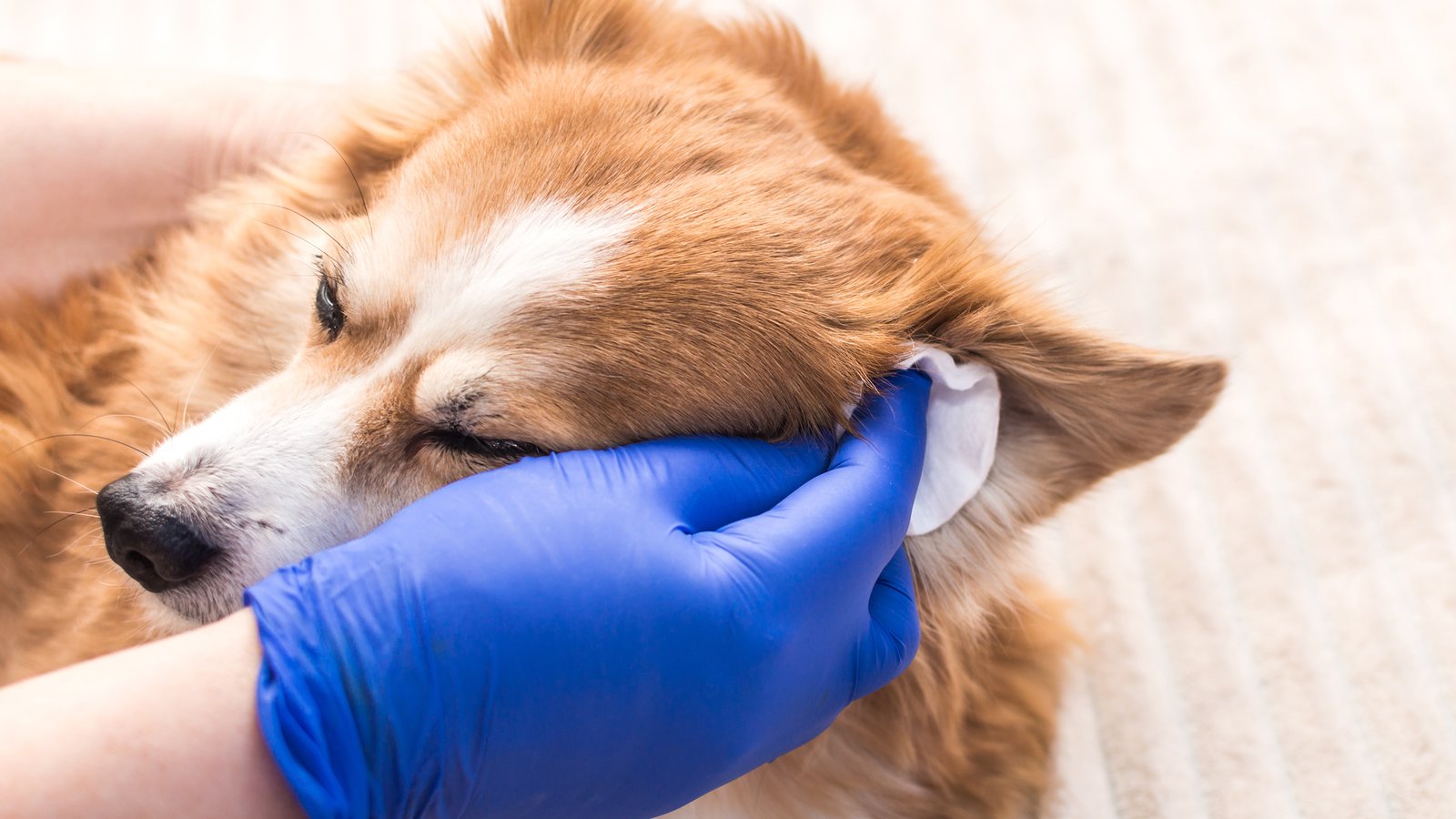
Learning the right dog ear cleaning technique helps protect your pet from discomfort and common ear problems. Many dogs in the United States need routine ear care because of allergies, moisture exposure, floppy ears, or active outdoor lifestyles.
A good ear cleaning routine is not about making ears perfectly dry or removing every bit of wax. Healthy ears naturally produce some wax. The goal is to remove extra debris while keeping the ear canal safe.
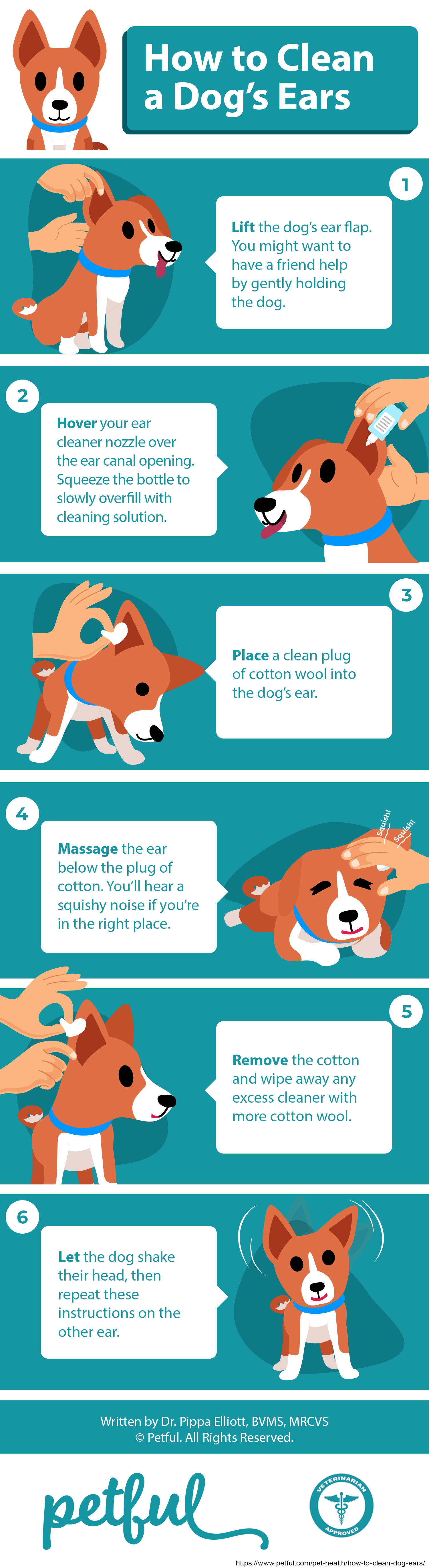
Why learning the correct dog ear cleaning technique matters
Dog ears can collect wax, dirt, and moisture over time. Without proper care, this buildup may create an environment where bacteria or yeast can grow.
The best dog ear cleaning technique supports comfort and prevention. It should never cause pain, force, or deep irritation inside the ear canal.
- ✦ Prevents buildup
Routine cleaning helps remove excess wax and debris before they become a bigger problem.
- ✦ Supports early detection
Regular checks help owners notice redness, odor, swelling, or unusual discharge.
Signs your dog may need ear cleaning
Common signs include head shaking, scratching the ears, dark wax, bad smell, or rubbing the ears on furniture.
- ✦ Watch behavior changes
A dog that suddenly avoids ear touching may have pain or irritation.
What you need before cleaning your dog’s ears
Preparing the right supplies makes the dog ear cleaning technique easier and safer. Choose products made for dogs instead of household cleaners.
A calm space is also important. Dogs often become nervous when their ears are handled, so positive experiences help them accept future cleanings.

- ✦ Ear cleaner
Use a veterinarian-recommended ear cleaning solution designed for dogs.
- ✦ Cotton pads
Cotton pads help wipe visible debris without pushing material deeper.
- ✦ Treats
Rewards help your dog connect ear care with a positive experience.
Products to avoid
Avoid alcohol, hydrogen peroxide, cotton swabs deep inside the canal, and homemade mixtures unless your veterinarian recommends them.
- ✦ Avoid deep cleaning
The inner ear is delicate and should not be scraped or pushed.
Step-by-step dog ear cleaning technique at home
The dog ear cleaning technique should be slow and gentle. Start by allowing your dog to smell the supplies and stay relaxed.
Never rush the process. A few calm minutes are better than forcing a stressful cleaning session.
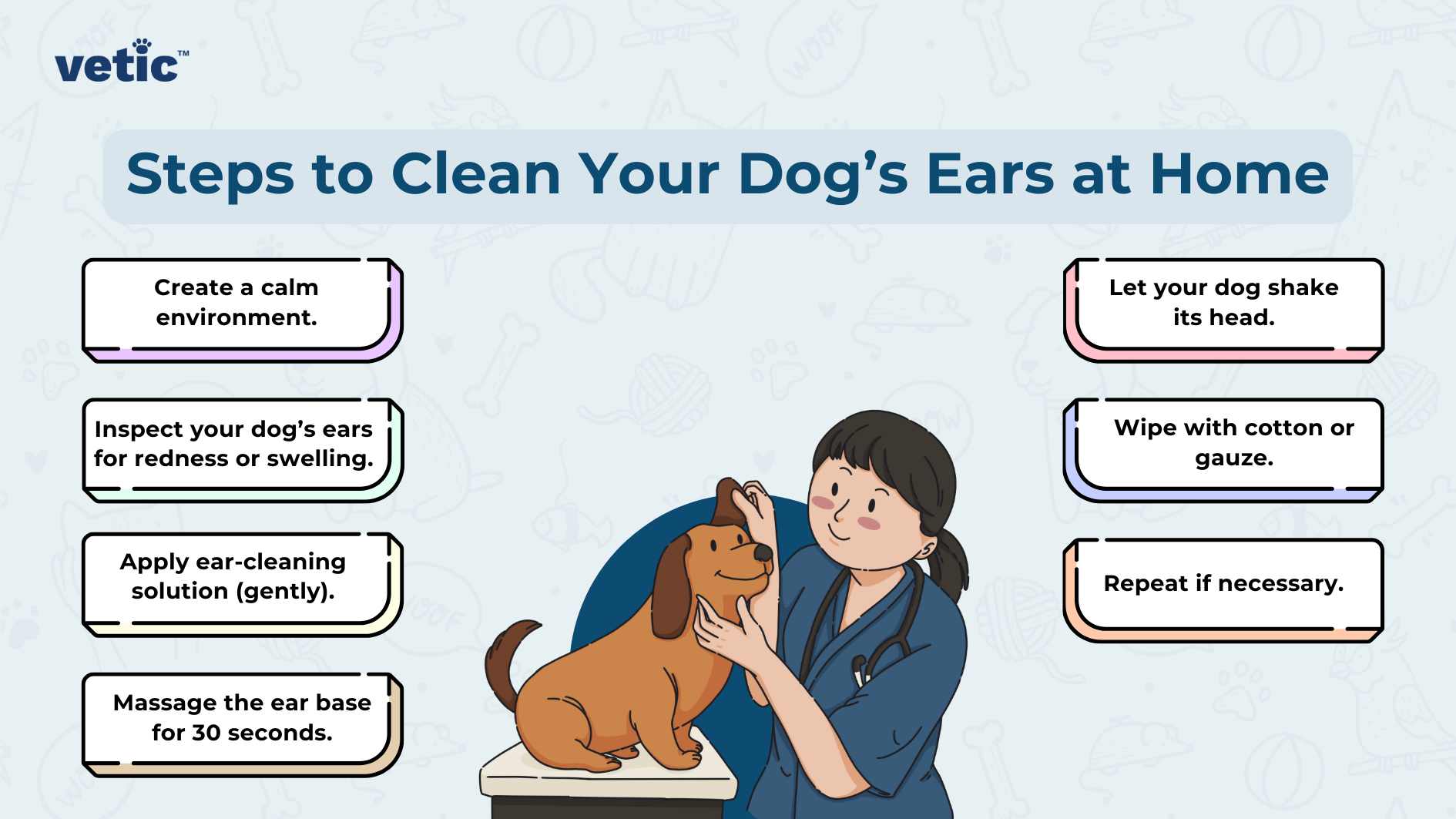
- ✦ Step 1: Inspect the ear
Look for redness, swelling, discharge, or a strong odor before applying cleaner.
- ✦ Step 2: Apply cleaner
Lift the ear flap and apply the recommended amount of ear solution into the canal opening.
- ✦ Step 3: Massage gently
Massage the base of the ear for several seconds to loosen debris.
- ✦ Step 4: Wipe away debris
Use cotton pads to clean visible dirt and excess solution.
How often should you clean dog ears?
Cleaning frequency depends on your dog’s breed, ear shape, health, and lifestyle. Some dogs need weekly care, while others only need occasional cleaning.
Ask your veterinarian for a routine that fits your dog’s needs.
- ✦ Active dogs
Dogs that swim often may need more frequent ear checks.
Common mistakes when cleaning dog ears
Many ear problems happen because owners use the wrong method. A careful dog ear cleaning technique protects the sensitive ear canal.
More cleaning does not always mean better care. Over-cleaning can remove helpful oils and create irritation.

- ✦ Using cotton swabs too deeply
Cotton swabs can push debris farther inside and may injure delicate tissue.
- ✦ Ignoring pain signs
Stop if your dog shows discomfort and seek veterinary advice when needed.
- ✦ Cleaning infected ears without guidance
Ear infections often need proper diagnosis and treatment.
When to contact a veterinarian about your dog’s ears
Home cleaning is useful for normal ear maintenance, but it cannot replace veterinary care for infections or injuries.
A veterinarian can examine the ear canal and identify problems that are not visible from the outside.
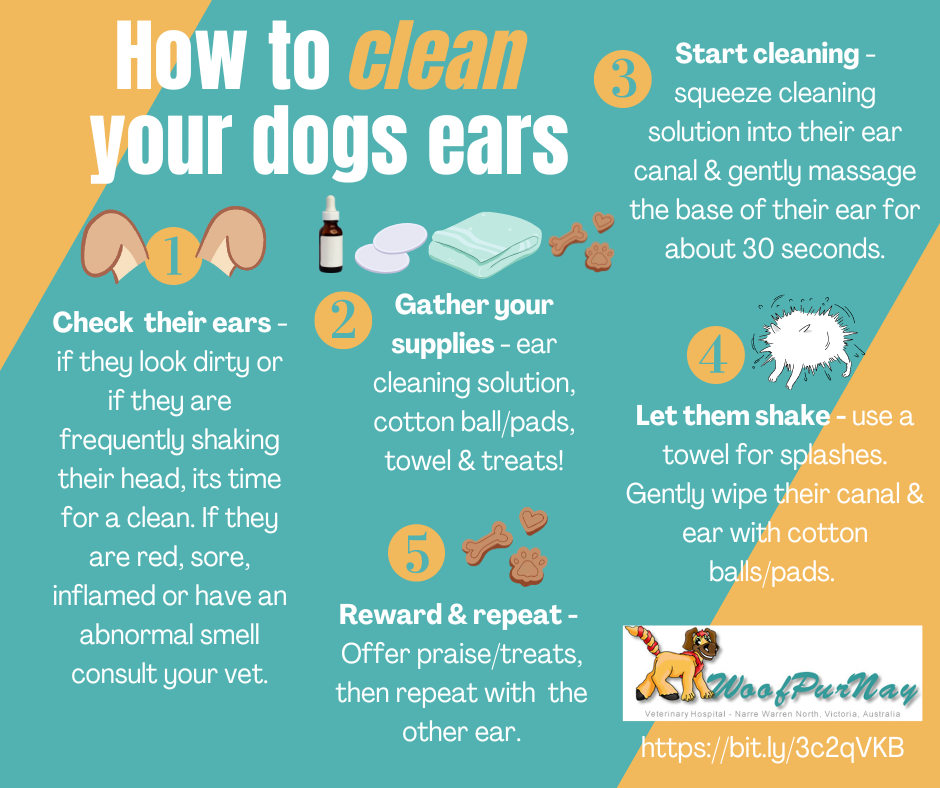
- ✦ Strong odor
A bad smell may indicate infection or abnormal ear changes.
- ✦ Persistent scratching
Frequent scratching may signal pain, allergies, or inflammation.
- ✦ Unusual discharge
Blood, pus, or excessive fluid requires professional attention.
Breeds that may need extra ear attention
Dogs with floppy ears or heavy hair around the ear opening may trap more moisture and debris. Examples include spaniels, retrievers, and some hound breeds.
- ✦ Breed differences matter
Every dog has different ear care needs based on genetics and lifestyle.
