
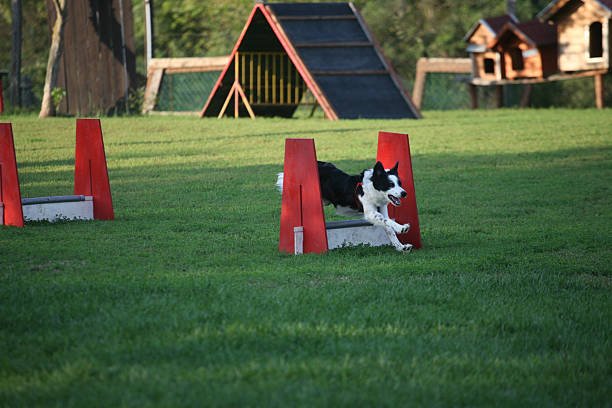
Dog environmental enrichment design is the process of creating a living space that meets a dog’s natural needs. It goes beyond giving toys. It considers how dogs explore, solve problems, use their senses, and interact with people.
From my experience studying dog behavior and enrichment methods, the best designs are simple, flexible, and based on the individual dog. A young working breed and a senior family dog may need very different environments.
In the United States, many dogs spend long hours indoors while owners work or manage busy schedules. A thoughtful enrichment setup can help dogs use their energy in healthy ways and build better daily habits.

What is dog environmental enrichment design?
Dog environmental enrichment design focuses on shaping a dog’s surroundings to encourage natural behaviors. Dogs are built to search, smell, explore, and make choices.
A well-designed environment does not simply keep a dog busy. It gives the dog meaningful tasks that create confidence and reduce boredom.

- ✦ Physical enrichment
Spaces and activities that encourage movement, climbing, walking, and safe play.
- ✦ Mental enrichment
Games and challenges that require problem solving and learning.
- ✦ Sensory enrichment
Safe experiences involving smell, sound, texture, and new environments.
Why design matters for modern dogs
Many household dogs live in environments that are safe but predictable. Predictability helps dogs feel secure, but too little variety can limit learning opportunities.
- ✦ Better daily engagement
Enrichment gives dogs useful activities instead of unwanted behaviors caused by frustration.
Core principles of effective dog environmental enrichment design
Good dog environmental enrichment design starts with understanding the dog first. Age, breed traits, health, confidence level, and past experiences all affect what works.
The goal is not to create the most expensive setup. The goal is to create useful experiences that match the dog’s needs.
- ✦ Choice
Allow dogs to make safe choices about where they explore, rest, or play.
- ✦ Challenge
Provide tasks that are interesting but not so difficult that the dog gives up.
- ✦ Variety
Change activities regularly to keep the environment fresh.
Design around natural behaviors
Dogs naturally sniff, search, chew, dig, and investigate. Strong enrichment designs include safe ways for dogs to express these behaviors.
How to create an enriched indoor environment for dogs
Indoor spaces can provide excellent enrichment when they include areas for exploration, relaxation, and problem solving. Even small apartments can support healthy dog behavior.
The best indoor designs combine comfort with opportunities for independent activity.

- ✦ Interactive feeding
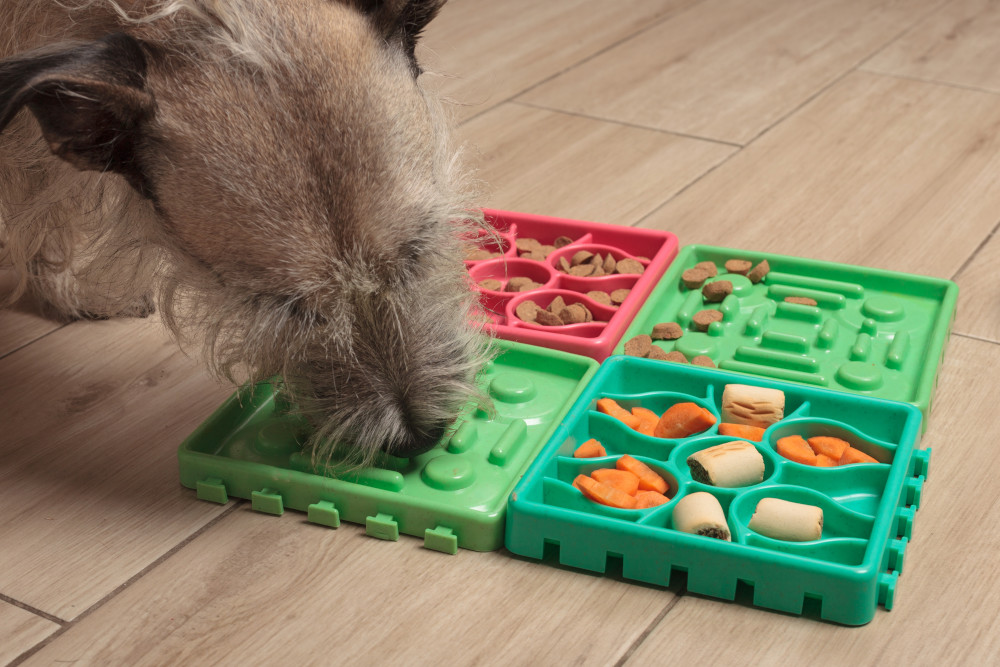
Use puzzle feeders, slow feeders, and food searches to make meals more engaging.
- ✦ Rest zones
Create calm areas where dogs can relax without constant stimulation.
- ✦ Learning areas
Use small spaces for training games and confidence-building exercises.
Apartment-friendly enrichment ideas
Apartment dogs can benefit from scent games, training sessions, toy rotation, and safe indoor obstacle activities.
Outdoor dog enrichment space design ideas
Outdoor areas give dogs more chances to explore with their senses. A backyard can become an enrichment zone with careful planning.
Safety should always come first. Outdoor enrichment areas should have secure fencing, safe materials, and protection from harmful plants or objects.
- ✦ Sniffing paths
Create routes with different smells and textures for natural exploration.
- ✦ Movement zones
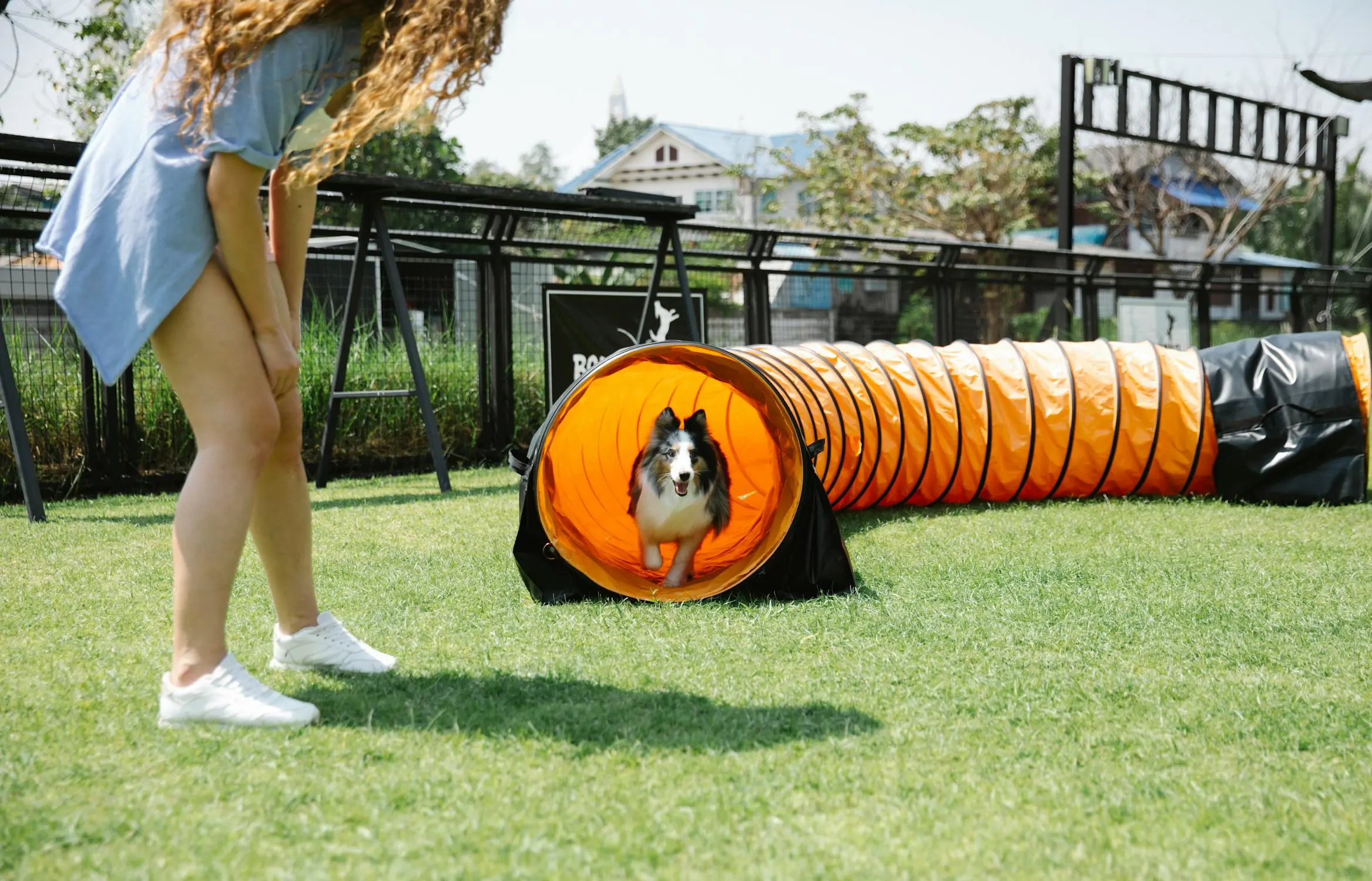
Add safe areas for running, walking, and playful movement.
- ✦ Digging options
Provide approved digging areas for dogs that enjoy this natural behavior.
Balancing stimulation and rest
An enriched yard should include quiet spaces too. Dogs need recovery time after active exploration.
Using sensory and cognitive enrichment in dog environments
Sensory and cognitive enrichment are key parts of dog environmental enrichment design. Dogs experience the world through their nose, ears, eyes, and body.
Mental challenges can be just as valuable as physical exercise. A short problem-solving game may tire a dog more than a simple walk.
- ✦ Scent activities
Hide treats or toys and allow dogs to search using their strongest sense.
- ✦ Training games
Teach new behaviors through short and positive learning sessions.
- ✦ Texture exploration
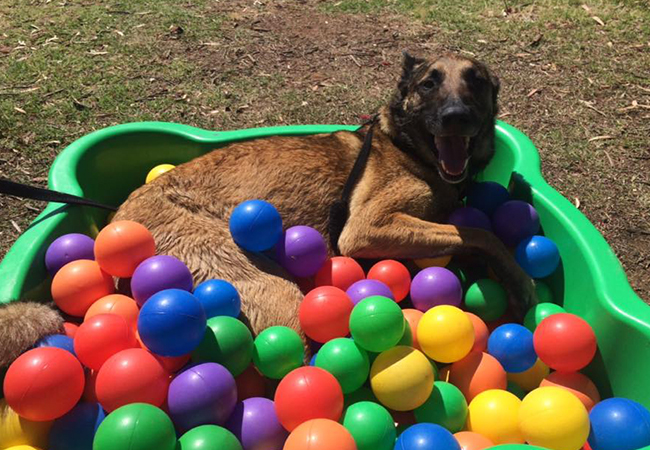
Introduce safe surfaces that encourage confidence and curiosity.
Avoiding overstimulation
More stimulation is not always better. Dogs need balanced experiences that match their personality and comfort level.
Common mistakes in dog environmental enrichment design
Many owners focus only on buying more toys. Toys can help, but enrichment depends on how the dog interacts with the environment.
A successful design changes with the dog’s needs over time. Observe behavior and adjust the setup regularly.
- ✦ Too much complexity
Difficult activities can create frustration instead of confidence.
- ✦ Ignoring individual needs
Every dog has different preferences, energy levels, and abilities.
- ✦ No routine changes
Repeated activities may lose their value when they become predictable.
Building a practical enrichment schedule
A simple weekly plan can include walks, scent games, training, play, and quiet recovery periods.
