

Dog play behavior is one of the clearest ways dogs express emotions and build relationships. From a puppy chasing a toy in a U.S. backyard to adult dogs meeting at a local dog park, play helps dogs practice communication and confidence.
After studying canine interactions, one thing becomes clear: play is not random movement. Dogs use body signals, sounds, and actions to show interest, set limits, and create friendly connections. Learning these signals helps owners support better relationships with their pets.

What Is Dog Play Behavior?
Dog play behavior includes the actions dogs use during fun and social moments. These actions can include chasing, wrestling, tugging, bowing, running, and gentle mouthing.
Play is different from fighting because dogs usually show relaxed signals. They often switch roles, pause often, and invite each other to continue.

- ✦ Social learning
Dogs learn manners, boundaries, and communication skills by playing with other dogs and people.
- ✦ Mental stimulation
Play gives dogs a chance to solve problems, make choices, and use natural instincts.
- ✦ Emotional balance
Regular play can help dogs feel confident and reduce boredom-related behaviors.
Why Dogs Need Play
Dogs are social animals that need activity beyond food and shelter. Play supports their physical health and gives them a healthy outlet for energy.
Many behavior problems happen when dogs lack enough exercise or mental engagement. A good play routine can improve focus and overall happiness.
- ✦ Builds confidence
Positive play experiences help dogs feel comfortable around people, objects, and other animals.
Common Types of Dog Play Behavior
Dogs have many ways to play, and each dog may have a different favorite activity. Some enjoy physical games, while others prefer puzzles or gentle interaction.
Understanding different play styles helps owners choose activities that match their dog’s age, breed traits, and personality.
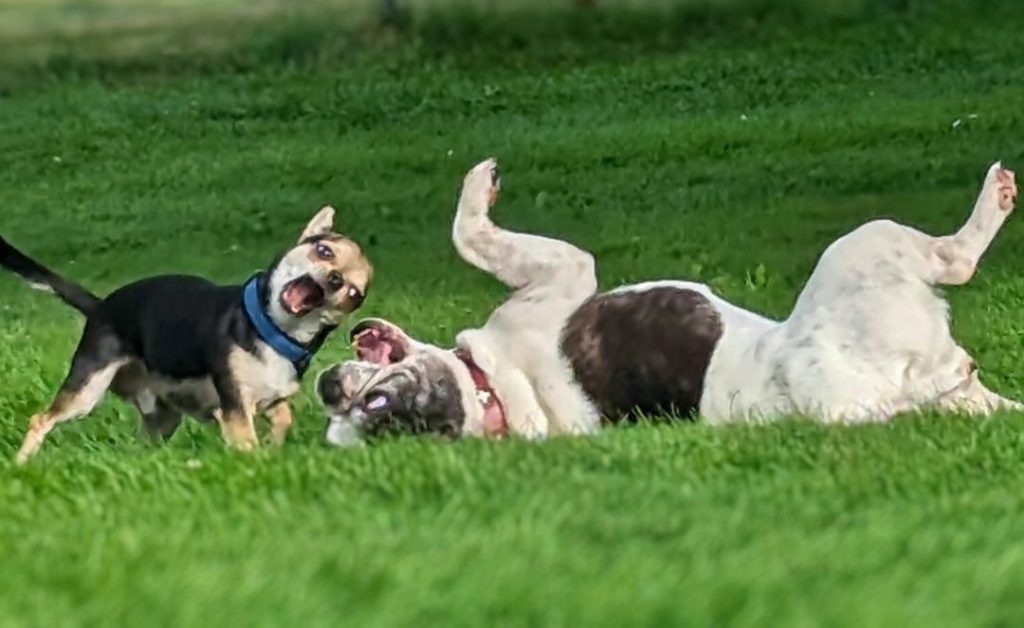
- ✦ Chase games
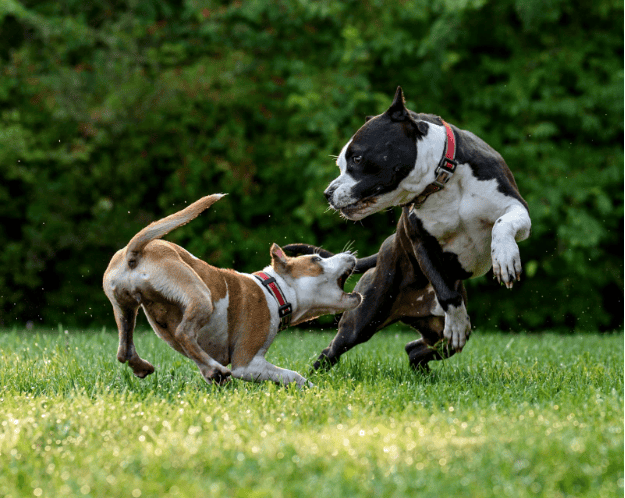
Dogs may run after each other or chase toys because movement activates natural hunting and social instincts.
- ✦ Tug games
Tug can be a healthy game when dogs understand rules and remain relaxed during the activity.
- ✦ Wrestling
Friendly wrestling often includes gentle movements, pauses, and balanced interaction.
Puppy Play Behavior
Puppies use play to discover the world. They learn how hard they can bite, how to interact with others, and how to control excitement.
Puppy play should include guidance from owners. Calm interruptions teach puppies that breaks are part of fun.
- ✦ Learning boundaries
Puppies develop bite control and social skills through safe play experiences.
How Dogs Communicate During Play
Dog play behavior depends heavily on communication. Dogs constantly send messages through posture, facial expressions, movement, and sounds.
Owners who understand these signals can tell when dogs are having fun and when they need space.

- ✦ Play bow
A dog lowers the front legs while keeping the back raised to invite another dog to play.
- ✦ Loose body movement
Relaxed muscles and flexible movements usually show comfort and friendly intentions.
- ✦ Role switching
Healthy play often involves dogs taking turns chasing or being chased.
Sounds Dogs Make While Playing
Growls, barks, and playful noises can be normal parts of dog play behavior. The sound alone does not always show aggression.
Owners should watch the full picture, including body posture, movement, and whether both dogs choose to continue.
- ✦ Look at body language
A relaxed body and frequent pauses usually matter more than individual sounds.
Healthy Dog Play Behavior vs Aggressive Behavior
Many owners worry when dogs play loudly or move quickly. Active play can look intense, but healthy play has important differences from aggression.
The main difference is choice and comfort. Dogs that enjoy play usually return for more interaction, while stressed dogs try to escape or avoid contact.

- ✦ Signs of healthy play
Dogs show relaxed bodies, take breaks, switch roles, and respond to each other’s signals.
- ✦ Signs of stress
Dogs may freeze, hide, show repeated avoidance, or display tense body language.
- ✦ When to interrupt
Owners should step in if one dog cannot escape, becomes fearful, or ignores another dog’s warnings.
Creating Safe Play Sessions
Safe play starts with choosing suitable partners and environments. A calm introduction is better than forcing dogs into interaction.
Supervision is important, especially with puppies, unfamiliar dogs, or dogs with different energy levels.
- ✦ Match energy levels
A playful puppy may overwhelm an older dog, so owners should choose interactions carefully.
Benefits of Regular Play for Dogs
Regular play supports many parts of a dog’s life. It helps dogs stay active, improves relationships, and gives them a positive way to use energy.
For many American households, daily play is a simple way to improve a dog’s quality of life without complicated routines.
- ✦ Physical fitness
Running, jumping, and movement help maintain healthy muscles and body condition.
- ✦ Stronger bond
Interactive games help dogs trust and connect with their owners.
- ✦ Better behavior
Dogs with enough activity often show fewer boredom-related habits.
Indoor and Outdoor Play Ideas
Dogs can enjoy play in many settings. Indoor games work well during bad weather, while outdoor activities provide more space and new smells.
The best activities are safe, enjoyable, and suitable for the individual dog.
- ✦ Puzzle toys
Interactive toys encourage dogs to think and solve simple challenges.
How Owners Can Encourage Better Dog Play Behavior
Owners play an important role in shaping positive play habits. Clear rules and calm guidance help dogs understand what behavior is acceptable.
Good play is not only about tiring a dog out. It is about creating safe experiences that support learning and confidence.
- ✦ Use positive guidance
Reward calm behavior and stop unwanted actions without creating fear.
- ✦ Provide variety
Different games keep dogs interested and support different skills.
- ✦ Watch your dog’s signals
Every dog has unique preferences, limits, and comfort levels.
Building a Daily Play Routine
A consistent play routine helps dogs know what to expect. Short sessions throughout the day can work better than one long session.
Owners should adjust play based on age, health, and energy level.
- ✦ Keep sessions positive
End play while the dog is still enjoying the activity.
