
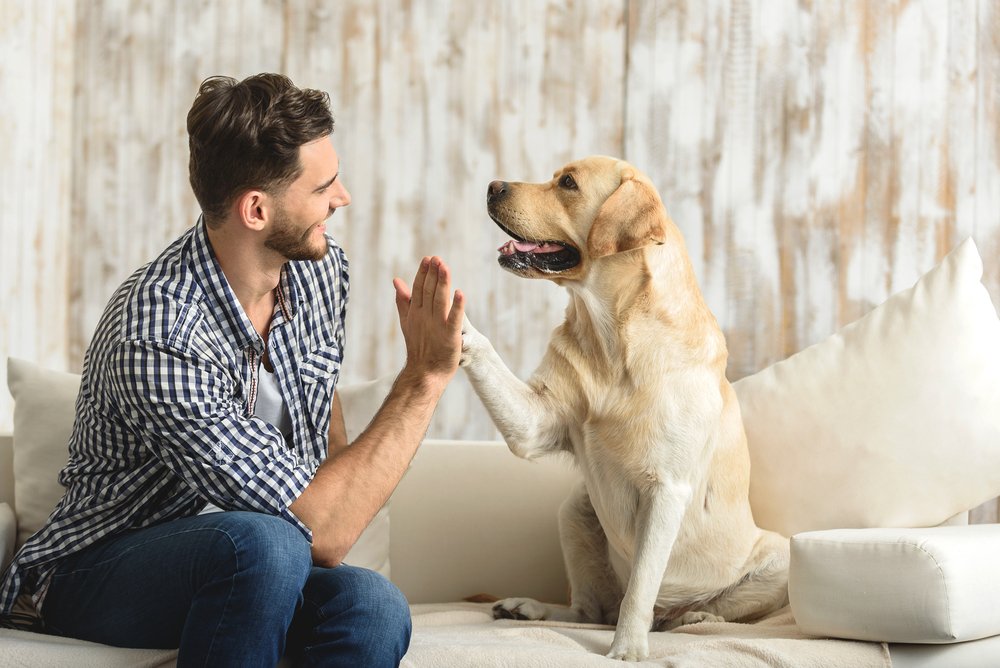
Dog human communication is a two-way relationship built through observation and trust. Dogs do not use human words, but they constantly send messages through their ears, eyes, tails, posture, and actions.
In my experience studying dog behavior, many communication problems happen because people notice only barking or commands. The deeper signals often appear before a dog makes a sound. Learning these signals helps American dog owners create calmer homes and stronger bonds.
How dog human communication works
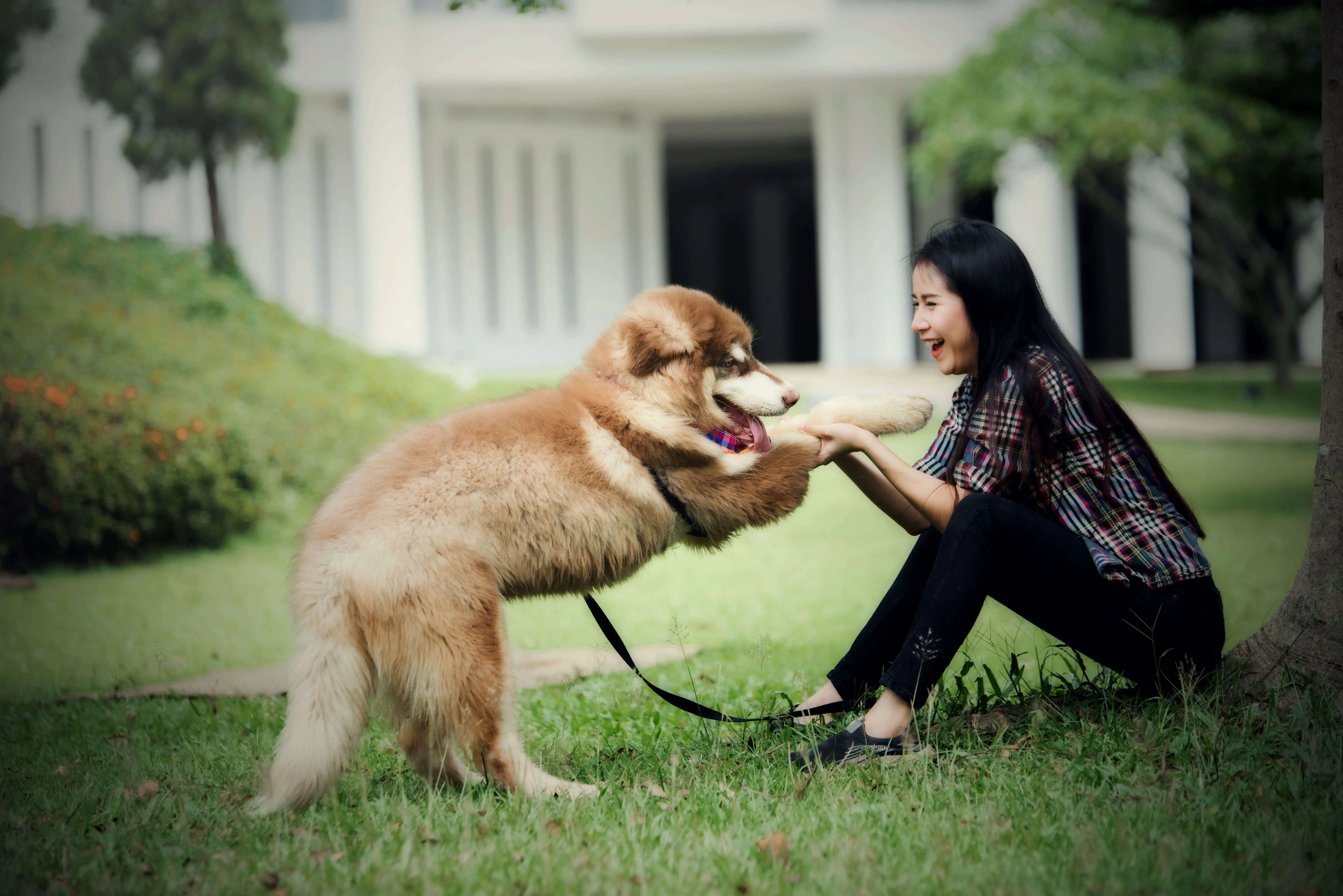
Dog human communication happens through several channels at the same time. A dog may use posture, movement, eye contact, and sounds together to express a feeling or need.
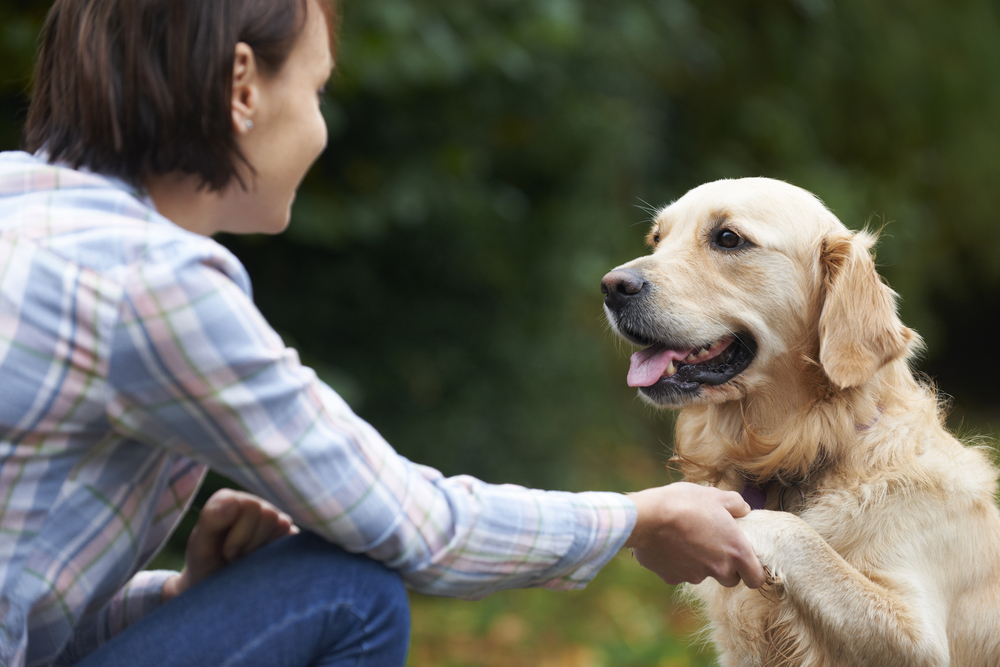
Dogs are skilled at reading human behavior too. They watch our voice tone, facial expressions, routines, and gestures to understand what we want.
- ✦ Body language
Dogs use tails, ears, eyes, and body position to show emotions such as comfort, fear, excitement, or stress.
- ✦ Vocal signals
Barks, whines, growls, and other sounds can carry different meanings depending on the situation.
- ✦ Learned communication
Dogs learn words, gestures, and routines that humans repeat often.
Why dogs understand human behavior
Dogs have lived alongside humans for thousands of years. This close relationship helped them become highly sensitive to human actions and emotions.
A dog may learn that picking up a leash means a walk is coming or that a certain voice tone means a reward is near.
Understanding dog body language signals
Body language is one of the most important parts of dog human communication. Dogs often show their emotions before they make any sound.
Owners who learn these signs can respond faster and create safer interactions.
- ✦ Relaxed body
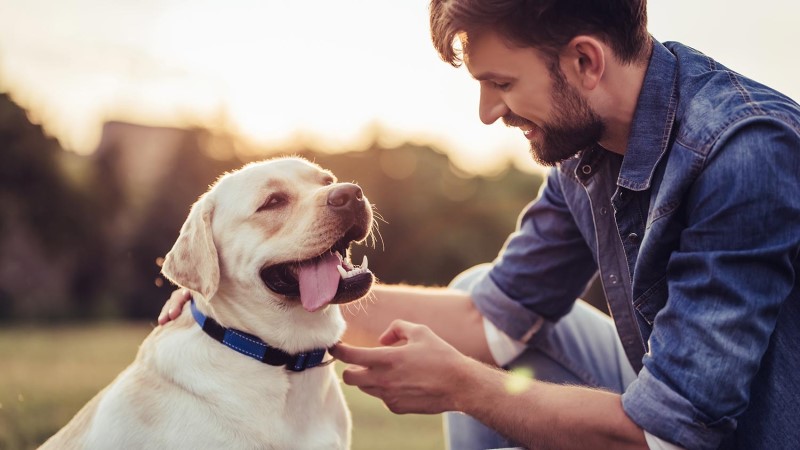
A loose body, soft eyes, and natural movements usually show comfort and confidence.
- ✦ Stress signals
Lip licking, yawning, turning away, and sudden stiffness may show discomfort.
- ✦ Excitement signals
Jumping, fast movement, and playful posture may show energy and interest.
How dogs communicate emotions with humans
Dogs show emotions through actions more than words. A dog that follows a person around may be seeking connection, while a dog that hides may need space.
Good dog human communication requires looking at the full situation instead of judging one behavior alone.

- ✦ Affection
Dogs may show affection through leaning, gentle eye contact, staying nearby, or bringing toys.
- ✦ Fear
A fearful dog may lower the body, avoid eye contact, or move away from a trigger.
- ✦ Trust
Relaxed behavior around people often shows that a dog feels safe.
Reading emotions without guessing
Owners should consider context, past experiences, and the dog’s normal personality. The same action can mean different things in different situations.
The role of training in dog human communication
Training creates a shared language between dogs and people. Commands, hand signals, and routines help dogs understand expectations.
Positive training methods improve communication because the dog learns what behavior earns rewards instead of only learning what to avoid.

- ✦ Use clear cues
Use the same words and gestures each time so your dog can connect the signal with the action.
- ✦ Reward correct behavior
Rewards help dogs understand which actions humans want them to repeat.
- ✦ Practice regularly
Short daily sessions help dogs remember communication patterns.
Common mistakes that affect dog human communication
Many misunderstandings happen because people communicate with dogs as if they were humans. Dogs respond best when messages are simple, consistent, and connected to clear actions.
Improving dog human communication means learning the dog’s perspective and adjusting our own behavior.
- ✦ Ignoring body language
Missing early stress signs can lead to fear or unwanted reactions.
- ✦ Changing rules often
Dogs become confused when the same behavior receives different responses.
- ✦ Using unclear signals
Mixed words and gestures make learning harder for dogs.
How to improve communication with your dog every day
Better dog human communication grows through daily habits. Simple actions like observing your dog, using calm signals, and spending focused time together can make a major difference.
American households often have busy schedules, but even a few minutes of mindful interaction can strengthen the relationship between a person and a dog.
- ✦ Observe first
Watch your dog’s behavior before reacting so you understand the message behind it.
- ✦ Match your energy
Calm and predictable behavior helps dogs feel secure.
- ✦ Build trust
Respecting boundaries creates stronger long-term communication.
