
Dog indoor exercise keeps dogs active, healthy, and mentally engaged inside the home.
Many dog owners in the United States face days when outdoor exercise is difficult. Rain, snow, extreme heat, busy schedules, or apartment living can make normal walks harder. A good indoor routine gives dogs a safe way to burn energy and stay balanced.
From my experience studying dog activity habits, I have found that movement alone is not enough. Dogs also need problem-solving, play, and training. The best Dog indoor exercise plans combine physical activity with mental challenges.
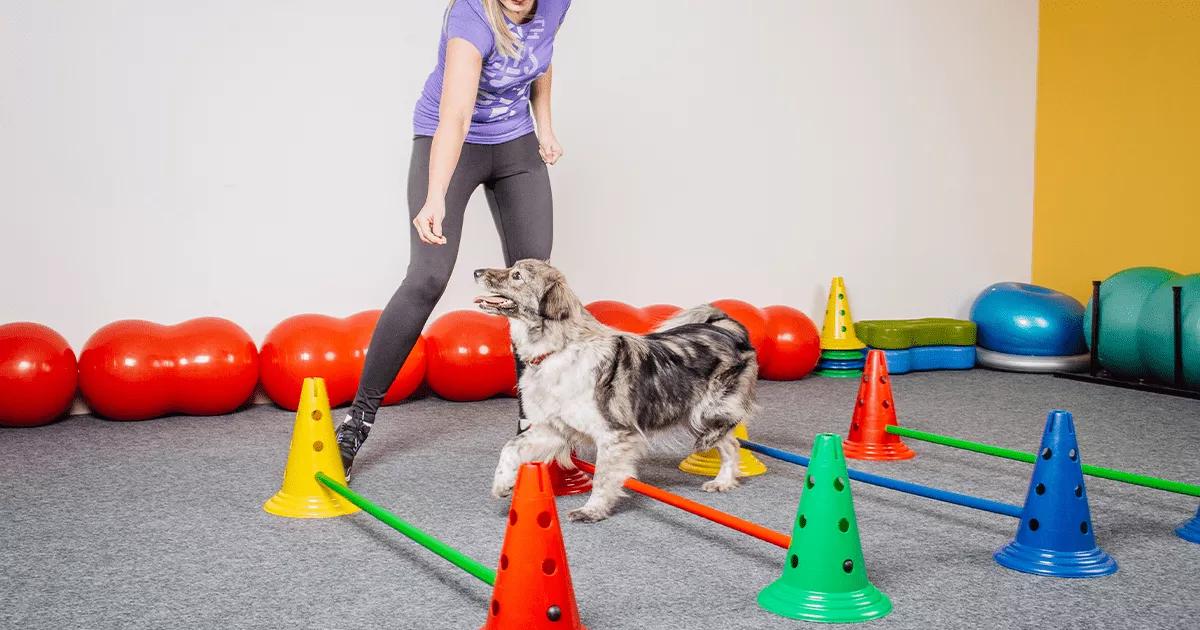
Why Dog indoor exercise is important
Dogs need daily activity for both physical and emotional health. When dogs do not get enough exercise, they may become restless, chew furniture, bark more, or create their own games.
Dog indoor exercise helps replace some outdoor activity when going outside is not possible. It also creates a stronger bond between dogs and their owners through shared play and training.

- ✦ Controls extra energy
Indoor movement helps active dogs release energy in a safe and controlled way.
- ✦ Supports mental health
Games and training reduce boredom by making dogs think and solve problems.
- ✦ Builds stronger bonds
Interactive activities help dogs trust and connect with their owners.
Signs your dog needs more indoor activity
Common signs include pacing, whining, attention seeking, digging, chewing objects, and difficulty settling down. These behaviors often happen because a dog needs more stimulation.
Adding short indoor exercise sessions during the day can help create a calmer home environment.
- ✦ Restless behavior
A dog that cannot relax may need more movement or mental challenges.
Best Dog indoor exercise ideas for every home
You do not need a large house or expensive equipment to exercise your dog indoors. Simple games using toys, treats, and your own time can provide excellent results.
The goal is to keep activities safe, fun, and suitable for your dog’s personality. Short sessions repeated throughout the day often work better than one long session.
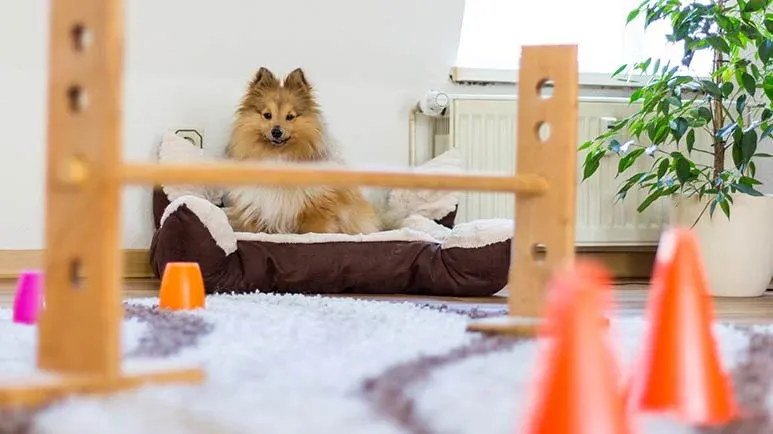
- ✦ Indoor fetch
Use a soft toy in a hallway or open room where your dog can safely move.
- ✦ Hide and seek
Hide in another room and encourage your dog to find you using their senses.
- ✦ Treat puzzles
Puzzle toys make dogs think while they search for rewards.
Stair exercises and movement games
If your home has safe stairs, controlled stair movement can provide extra activity for healthy dogs. Always avoid forcing older dogs or dogs with joint issues to use stairs.
Simple movement games like walking around furniture or following commands can also increase activity.
- ✦ Safety first
Use non-slip surfaces and avoid activities that may cause falls.
Mental stimulation activities for dogs indoors
A tired brain can be just as valuable as a tired body. Dogs naturally enjoy using their nose, solving problems, and learning new skills.
Mental activities are especially useful for smart breeds that need regular challenges. They can help prevent boredom during long periods inside.

- ✦ Training games
Practice commands like sit, stay, touch, and recall to make exercise more rewarding.
- ✦ Sniff games
Hide treats around a room and allow your dog to search using their nose.
- ✦ Toy rotation
Changing toys regularly keeps familiar items exciting.
Why sniffing is useful
A dog’s sense of smell is powerful, and sniffing gives them important mental work. Simple scent games can make indoor time more satisfying.
Dog indoor exercise for apartments and small spaces
Many American dog owners live in apartments where outdoor access may be limited. Small spaces can still support healthy activity with the right plan.
Focus on activities that use attention, movement, and problem-solving instead of only running. This reduces noise and keeps neighbors comfortable.

- ✦ Use short sessions
Five to fifteen minute activities several times daily can work well in small homes.
- ✦ Choose quiet games
Training, puzzles, and scent games create less noise than jumping activities.
Apartment-friendly exercise examples
Try obedience training, toy searches, gentle tug games, and indoor obstacle courses made from safe household items.
- ✦ Simple obstacle course
Use cushions, boxes, or cones to create safe movement challenges.
How much indoor exercise does a dog need?
Exercise needs depend on breed, age, health, and personality. A young working breed usually needs more activity than a senior companion dog.
A balanced Dog indoor exercise routine should include movement, training, and rest. Watch your dog’s behavior to understand whether the routine is enough.

- ✦ Puppies
Young dogs need short play sessions with breaks for growth and recovery.
- ✦ Adult dogs
Most adult dogs benefit from regular daily activity and mental games.
- ✦ Senior dogs
Older dogs often need gentle exercises that support mobility without strain.
Creating a daily indoor routine
A simple routine may include morning training, afternoon play, and evening puzzle activities. Consistency helps dogs know what to expect.
Safety tips for Dog indoor exercise
Indoor exercise should always be safe and comfortable. Remove objects that may cause injury and create enough space for your dog to move.
Pay attention to signs of tiredness. Heavy breathing, slowing down, or avoiding activity may mean your dog needs a break.

- ✦ Check the floor
Slippery floors can increase the risk of injury during active games.
- ✦ Match activity to health
Dogs with medical concerns may need modified exercise plans.
