
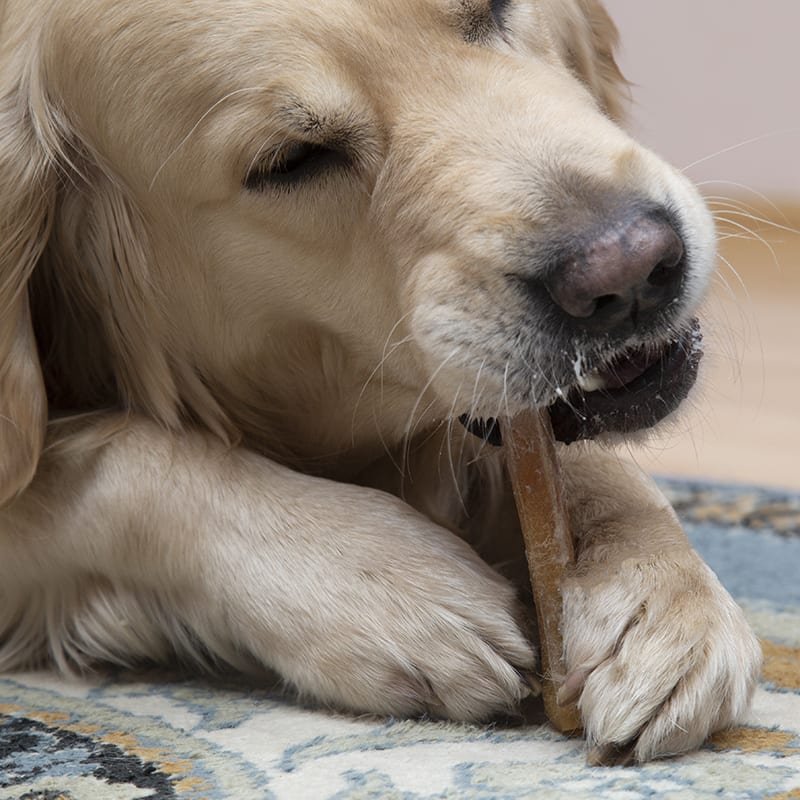
Dog chewing behavior is one of the most common habits dog owners notice. From puppies biting shoes to adult dogs chewing furniture, this action can have many meanings. In most cases, chewing is not a sign of a bad dog. It is a way dogs learn, relax, and respond to their environment.
As a dog behavior writer, I have seen that the biggest mistake owners make is treating chewing as only a problem. The better approach is to understand the reason behind the habit. When you know why your dog chews, you can guide the behavior instead of fighting against it.

What Is Dog Chewing Behavior?
Dog chewing behavior refers to the natural action of biting, gnawing, and using the mouth to interact with objects. Dogs use their mouths much like humans use their hands. They investigate new items, play, and communicate through chewing.
Healthy chewing is normal for dogs of all ages. Puppies chew while their teeth grow, while adult dogs may chew to relax or stay mentally active. The goal is not to remove chewing but to teach dogs what they can safely chew.
- ✦ Natural exploration
Dogs use their mouths to learn about objects, textures, and smells around them.
- ✦ Self-comfort
Chewing can help some dogs calm down during stressful moments.
- ✦ Mental stimulation
Chewing gives dogs a task and helps prevent boredom.
Why Chewing Is Important for Dogs
Chewing provides physical and mental benefits. It keeps dogs engaged and may help reduce unwanted behaviors caused by frustration. Safe chewing activities can also support healthy teeth and gums when combined with regular veterinary care.
A dog that has appropriate chew options often learns better habits. Providing the right outlets is a key part of responsible dog ownership.
- ✦ Healthy outlet
Chew toys give dogs a safe replacement for shoes, furniture, and household items.
Why Do Dogs Chew Things?
Understanding the reason behind dog chewing behavior is the first step toward solving unwanted chewing. Dogs rarely chew objects randomly. Their actions usually connect to age, emotions, health, or daily routines.
Many owners in the United States notice chewing problems when dogs spend long hours alone at home. A lack of activity or attention can increase chewing because dogs look for ways to release energy.

- ✦ Puppy teething
Young puppies chew because their growing teeth create discomfort and chewing can provide relief.
- ✦ Boredom
Dogs with little exercise or mental stimulation may chew to create their own activity.
- ✦ Stress or anxiety
Some dogs chew when they feel nervous, lonely, or overwhelmed.
- ✦ Natural instinct
Chewing is part of normal canine behavior passed through generations.
Puppy Chewing vs Adult Dog Chewing
Puppy chewing is often linked to teething and learning. Puppies explore almost everything with their mouths, so training and supervision are very important during early months.
Adult dog chewing may have different causes. A mature dog that suddenly starts chewing furniture may need more exercise, enrichment, or a health check.
- ✦ Age matters
The same chewing habit can have different meanings depending on the dog’s life stage.
Common Signs of Problematic Chewing
Not all chewing is harmful. The problem starts when a dog damages property, swallows unsafe materials, or shows signs of distress. Paying attention to patterns can help owners find the cause.
A sudden change in dog chewing behavior deserves extra attention. Changes may point to stress, dental pain, or another issue that needs professional advice.

- ✦ Damaged household items
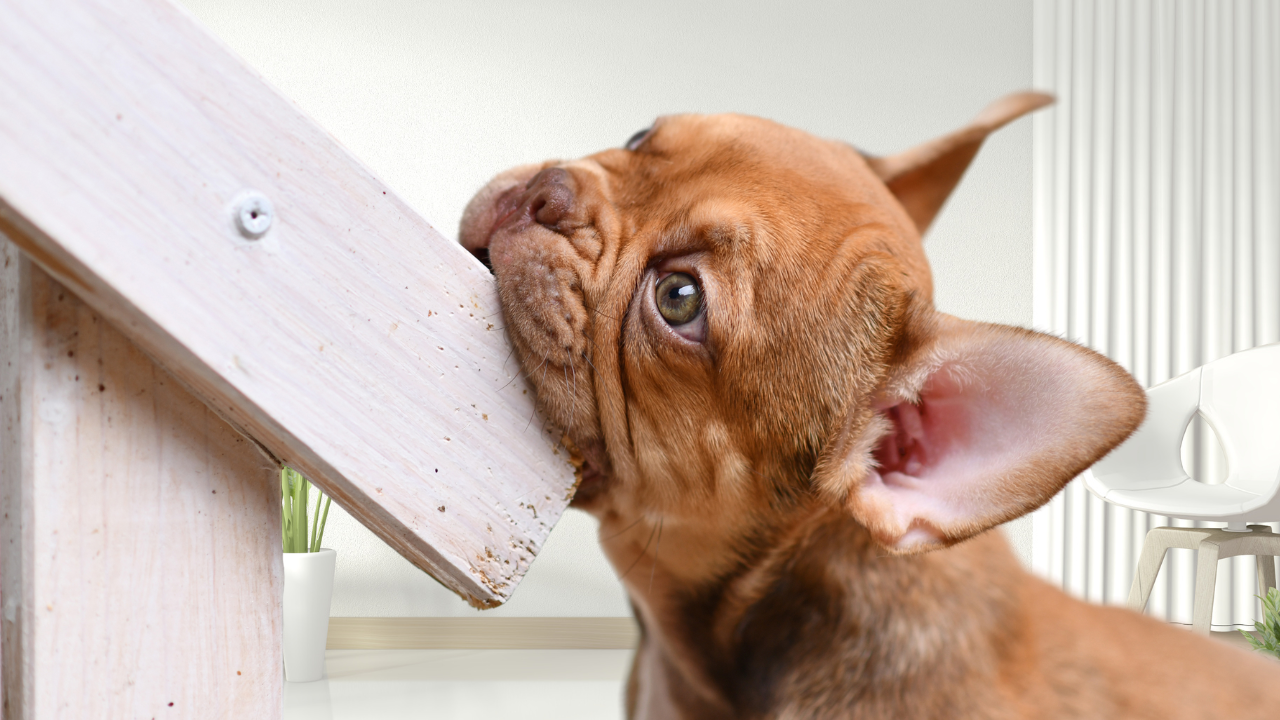
Chewing furniture, wires, shoes, or doors may show that a dog needs better outlets.
- ✦ Swallowing objects
Eating pieces of toys or household items can create safety risks.
- ✦ Chewing with anxiety signs
Pacing, whining, or panic along with chewing may suggest emotional stress.
When to Contact a Veterinarian
A veterinarian can help when chewing becomes extreme or appears suddenly. Dental problems, stomach issues, and pain may change how a dog uses its mouth.
Professional guidance is especially important if your dog damages teeth or eats non-food objects.
- ✦ Health concerns
Medical causes should be considered when behavior changes quickly.
How to Stop Destructive Dog Chewing Behavior
Stopping unwanted chewing requires patience and consistency. Punishment often creates fear and does not teach the dog what to do instead. Training works best when owners provide better choices.
The most effective approach is to prevent access to unsafe items while rewarding positive chewing habits.
- ✦ Offer suitable chew toys
Provide durable toys designed for your dog’s size and chewing strength.
- ✦ Increase daily activity
Walks, play sessions, and training games can reduce boredom-related chewing.
- ✦ Reward good choices
Praise your dog when they choose approved chew items.
- ✦ Manage the environment
Keep valuable items away until your dog learns better habits.
Training Techniques That Work
Redirecting is one of the best methods for dog chewing behavior. When your dog grabs an unsafe item, calmly replace it with a safe chew toy and reward the correct choice.
Consistency matters more than speed. Dogs learn through repeated experiences, so every family member should follow the same rules.
- ✦ Positive reinforcement
Rewards help dogs understand which behaviors are wanted.
Choosing the Right Chew Toys for Dogs
The right chew toy can make a major difference in managing dog chewing behavior. Every dog has different chewing habits, so owners should choose toys based on size, age, and chewing strength.
A toy should be durable but not so hard that it can damage teeth. Always check toys regularly and replace damaged pieces.

- ✦ Puppy toys
Soft but durable toys can help puppies during teething.
- ✦ Adult dog toys
Strong chew toys can provide longer-lasting enrichment.
- ✦ Interactive toys
Puzzle toys can combine chewing with mental exercise.
