
Dog recall learning is one of the most important skills a dog can develop. A strong recall can help keep your dog safe during walks, outdoor adventures, and everyday situations. In the United States, where many families enjoy parks, hiking trails, and open spaces with their dogs, a reliable recall can make life with a pet easier and more enjoyable.
After working with dogs, I have learned that recall is not built by repeating a word again and again. Dogs learn recall when coming back feels rewarding, safe, and exciting. The best training focuses on trust, clear communication, and small steps that match the dog’s ability level.
What Is Dog Recall Learning and Why Does It Matter?
Dog recall learning is the process of teaching a dog to come back to you after hearing a verbal cue, whistle, or signal. The goal is not only for your dog to return inside your home but also in places with distractions.
A trained recall gives dogs more freedom while helping owners maintain control. It can prevent dangerous situations, such as running toward roads, wildlife, or unfamiliar dogs.
- ✦ Safety benefit
A strong recall can help you quickly call your dog away from harmful situations.
- ✦ Better communication
Recall training creates a clear way for dogs and owners to understand each other.
- ✦ More freedom
Dogs with good recall can enjoy controlled off-leash activities more safely.
The Difference Between Basic and Reliable Recall
Many dogs learn to come inside the house but struggle outdoors. Reliable recall means your dog responds even when there are smells, people, animals, or exciting activities nearby.
- ✦ Basic recall
The dog comes when there are few distractions.
- ✦ Reliable recall
The dog chooses to return even when something else is more interesting.
How Dogs Learn Recall Through Rewards and Trust
Dogs repeat behaviors that create positive results. In dog recall learning, rewards help your dog connect the recall cue with something enjoyable.
Food treats are common, but rewards can also include toys, praise, play, or permission to continue exploring. The best reward depends on what motivates your individual dog.

- ✦ Use high-value rewards
Special treats or favorite toys can make recall practice more exciting.
- ✦ Avoid punishment after recall
Never punish a dog after they return, because this can weaken trust.
Building a Positive Recall Association
Start recall practice in calm areas. Say the cue, reward the response, and keep sessions short. Your dog should learn that coming to you always creates a good experience.
- ✦ Short sessions
Five-minute training sessions can be more effective than long sessions.
Step-by-Step Dog Recall Learning Training Process
Successful dog recall learning starts with simple exercises and slowly increases in difficulty. Rushing ahead can create confusion and frustration for both the dog and owner.
A professional approach is to train in layers. First build the behavior, then add distance, distractions, and real-world challenges.

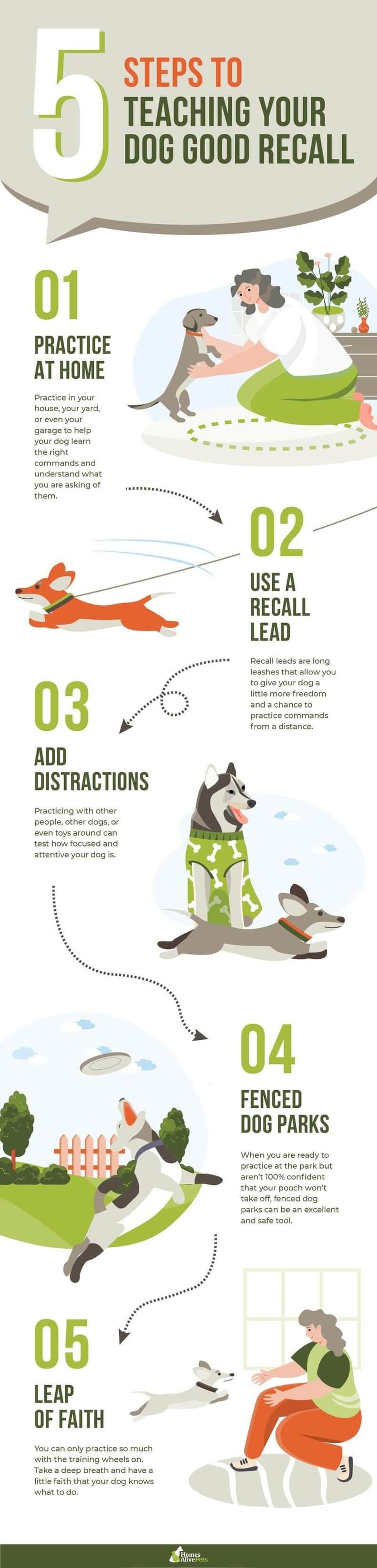
- ✦ Step 1: Choose a recall word
Pick one clear word such as come, here, or a unique recall phrase.
- ✦ Step 2: Practice indoors
Begin in a quiet room where your dog can focus easily.
- ✦ Step 3: Increase distance
Slowly create more space between you and your dog.
- ✦ Step 4: Add distractions
Practice around mild distractions before moving to harder environments.
Using a Long Leash for Safe Practice
A long training leash gives dogs freedom while keeping owners in control. It is useful for outdoor recall practice because it prevents dangerous escapes while building confidence.
- ✦ Safety tool
A long leash helps prevent mistakes during early training.
Common Dog Recall Learning Mistakes to Avoid
Many recall problems happen because owners accidentally teach the wrong lesson. Dogs learn from every interaction, including moments outside formal training.
Understanding common mistakes helps you create a stronger recall habit and avoid setbacks.

- ✦ Calling only for unpleasant things
If recall always means leaving the park or ending fun, dogs may stop responding.
- ✦ Repeating the command too much
Repeating the cue teaches dogs they can ignore the first request.
- ✦ Training only at home
Dogs need practice in different places to build a reliable response.
Why Recall Breaks During Outdoor Activities
Outdoor areas create many distractions. New smells, squirrels, people, and other dogs can compete with your recall cue. This is why gradual exposure is a key part of dog recall learning.
- ✦ Increase difficulty slowly
Move from easy environments to challenging ones step by step.
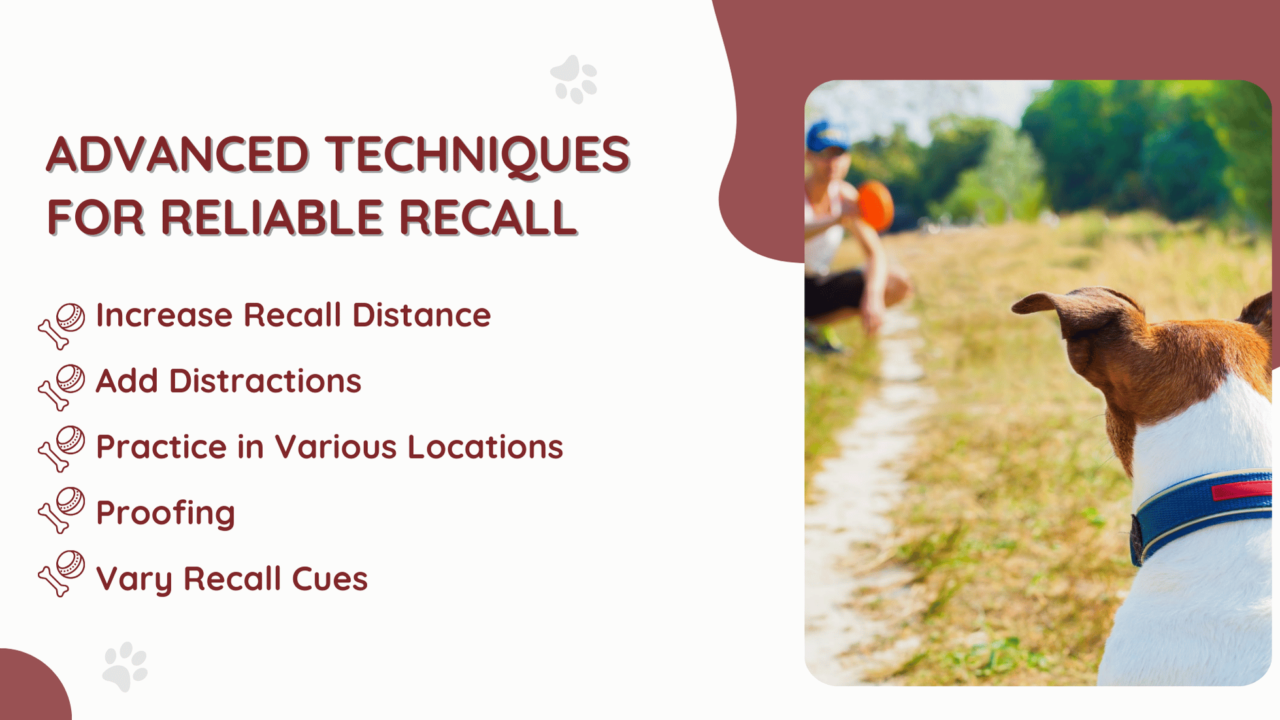
Advanced Dog Recall Learning Techniques for Real-Life Situations
Advanced recall training prepares dogs for situations that are less predictable. This includes practicing around stronger distractions and improving response speed.
Experienced trainers often create controlled challenges instead of waiting for real problems to happen. This builds confidence while keeping training safe.

- ✦ Emergency recall
A special recall cue can be trained for urgent situations.
- ✦ Distance recall
Dogs learn to return from farther distances.
- ✦ Distraction training
Dogs practice responding around competing interests.
Maintaining Recall After Training
Recall is a lifelong skill. Even well-trained dogs need occasional practice to keep the behavior strong.
- ✦ Regular refreshers
Practice recall several times each week.
