
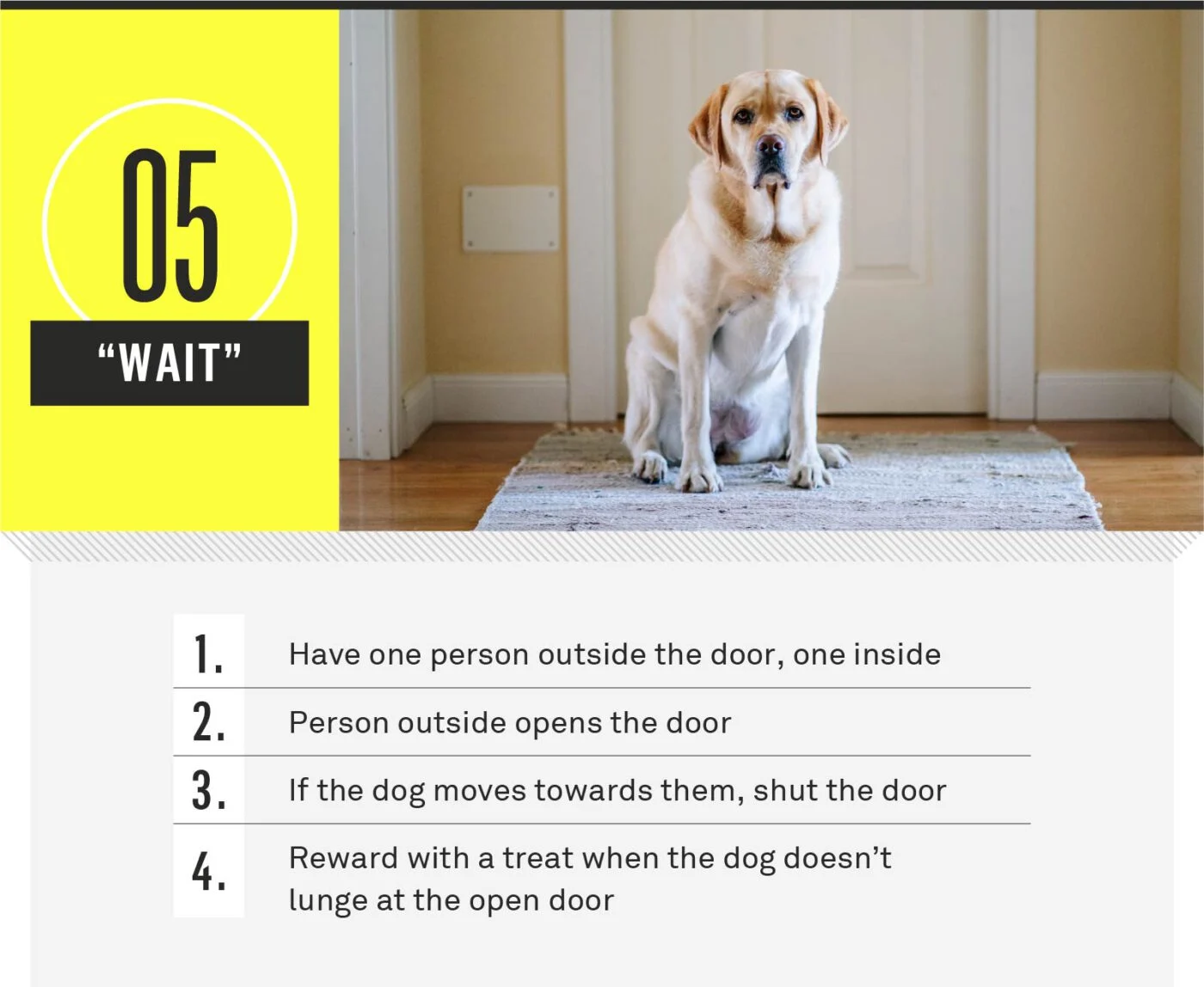
The dog wait command is one of the most useful skills a dog can learn. It helps your dog build patience, focus, and self-control in everyday situations. Whether you live in a busy American city apartment or a suburban home, this command can make daily routines safer and calmer.
In my experience working with dog training methods, many owners focus on commands like sit and stay but overlook wait. The difference is that wait teaches your dog to pause without needing to remain in one exact position for a long time. This makes it practical for doors, cars, meals, and outdoor walks.

What Is the Dog Wait Command?
The dog wait command is a cue that asks your dog to pause before moving forward. Your dog learns that good things happen when they control their excitement and wait for your signal.
Unlike stay, which usually asks a dog to remain in one place, wait is often used for short moments. For example, you may ask your dog to wait before going through a doorway, jumping out of a car, or eating a meal.
- ✦ Wait before action
Your dog pauses before doing something they want, such as running outside or reaching food.
- ✦ Builds self-control
The command helps dogs manage excitement and make calmer choices.
Wait vs Stay: Understanding the Difference
Many dog owners confuse wait and stay. Stay means your dog should hold a position until released, while wait means your dog should pause and look for your next instruction.
Both commands are valuable, but the dog wait command is often easier to use during quick daily moments.
- ✦ Stay command
Used when you want your dog to remain in a specific spot for a longer period.
- ✦ Wait command
Used when you want a temporary pause before allowing movement.
Why Teaching the Dog Wait Command Matters
A trained dog is easier to manage because they learn to think before reacting. The dog wait command creates a habit of listening instead of rushing.
For many U.S. dog owners, this skill is especially helpful during busy routines. It can prevent a dog from rushing through doors, pulling toward distractions, or jumping out of vehicles too quickly.
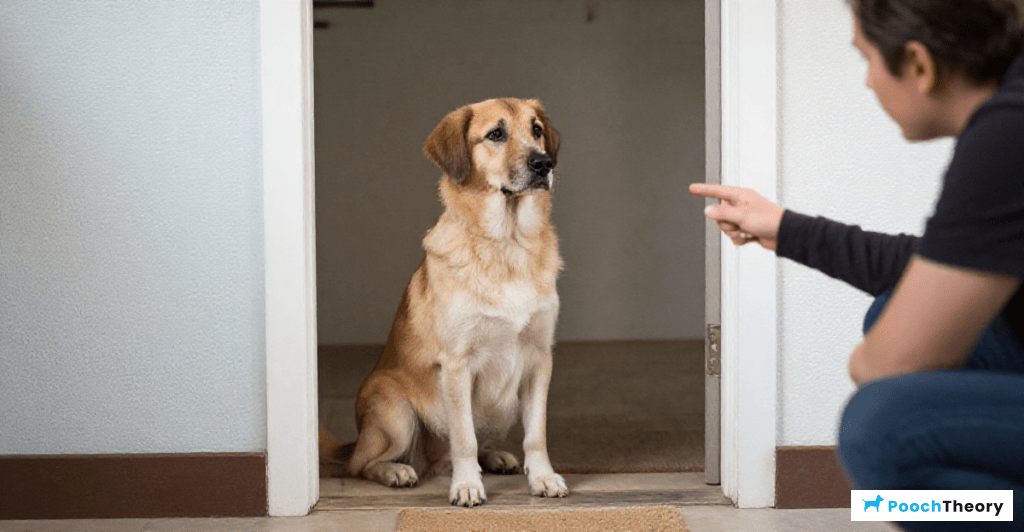
- ✦ Improves safety
A dog that waits can avoid dangerous situations near roads, doors, and unfamiliar areas.
- ✦ Creates better manners
Dogs learn patience during meals, greetings, and interactions with people.
- ✦ Strengthens communication
Your dog learns that your cues guide their actions.
Real-Life Examples of Using Wait
Imagine opening your front door while your excited dog tries to run outside. A reliable wait command gives you control and keeps your dog safe.
Another common example is feeding time. Asking your dog to wait before eating teaches calm behavior instead of rushing toward the bowl.
How to Teach the Dog Wait Command Step by Step
Teaching the dog wait command works best when you keep training simple. Dogs learn faster when each step is clear and rewarding.
Use positive reinforcement with treats, praise, or toys. Avoid forcing your dog to stay still because this can create confusion or stress.

- ✦ Step 1: Start with a calm position
Ask your dog to sit or stand calmly before introducing the wait cue.
- ✦ Step 2: Add the word wait
Say wait, pause for a few seconds, then reward your dog for staying calm.
- ✦ Step 3: Increase difficulty slowly
Gradually add more time, distance, and distractions.
Using Rewards Correctly
Timing is important when training the dog wait command. Reward your dog immediately after they successfully pause so they understand which behavior earned the reward.
Small treats work well during early training. As your dog improves, praise and life rewards like going outside can become powerful motivators.
Common Mistakes When Training the Wait Command
Many owners struggle with the dog wait command because they increase difficulty too quickly. A dog that waits for three seconds may not be ready to wait for one minute.
Good training builds success through small steps. If your dog fails often, reduce the challenge and reward progress.

- ✦ Expecting too much too soon
Dogs need gradual practice before handling distractions.
- ✦ Repeating the command too many times
Repeating wait over and over can teach your dog to ignore the cue.
- ✦ Skipping rewards
Rewards help your dog understand that waiting brings positive results.
How to Fix Training Problems
Return to an easier level if your dog breaks the wait. Reward small improvements and slowly rebuild confidence.
Consistency matters more than long sessions. Five minutes of focused practice each day can create better results than occasional long training.
Advanced Dog Wait Command Training Tips
Once your dog understands the basic dog wait command, you can practice in real-world situations. Add distractions slowly, such as toys, people, sounds, and outdoor environments.
Advanced training helps your dog respond even when excitement is high. This creates stronger obedience and better control.

- ✦ Practice at doors
Teach your dog to wait before entering or leaving rooms.
- ✦ Practice during walks
Use wait before crossing streets or approaching distractions.
- ✦ Practice around food
Teach patience before meals and treats.
Adding Hand Signals
Many dogs respond well to visual cues. A simple open hand signal can support the verbal wait command.
Using both voice and hand signals can help your dog understand commands in different situations.
How Long Does It Take to Teach the Dog Wait Command?
Training time depends on your dog’s age, personality, past experience, and consistency of practice. Some dogs understand the basic idea quickly, while others need more repetition.
The goal is not speed. The goal is creating a reliable response that works in everyday life.
- ✦ Short sessions
Practice for a few minutes to keep your dog focused and motivated.
- ✦ Daily repetition
Regular practice helps the behavior become natural.
