
Many dog owners focus on walks and physical exercise but forget that dogs also need daily brain work. A bored dog may find its own activities, such as chewing furniture, barking, digging, or getting into things around the home.
From working with dogs and studying canine behavior, I have learned that small daily challenges often create noticeable improvements. A five-minute training session, a sniffing game, or a food puzzle can make a dog feel more satisfied and relaxed.
What Is Dog Mental Stimulation?
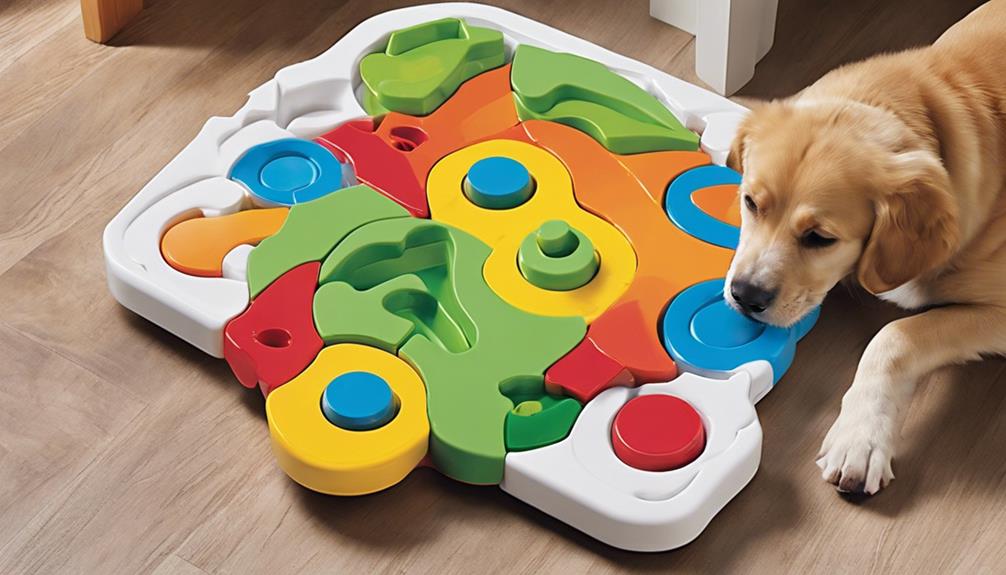
Dog mental stimulation means activities that make a dog think, learn, explore, and solve problems. These activities use a dog’s natural skills, such as smelling, searching, observing, and making choices.
Mental exercise is different from physical exercise. A long walk may tire a dog’s body, while a puzzle game or training task can tire the mind.
- ✦ Problem solving
Dogs use their brains to figure out how to access treats, complete tasks, or respond to cues.
- ✦ Learning skills
Training sessions help dogs understand commands and build confidence.
Why Dog Mental Stimulation Is Important
Dogs are intelligent animals that need more than food, shelter, and physical activity. Without enough mental stimulation, many dogs become restless because their natural behaviors have no healthy outlet.
Dog mental stimulation can support better focus, emotional balance, and stronger bonds between dogs and their owners.

- ✦ Reduces boredom
Engaging activities give dogs something positive to do during quiet times.
- ✦ Supports good behavior
A mentally satisfied dog may show fewer unwanted habits caused by frustration.
Signs Your Dog Needs More Mental Exercise
Common signs include excessive barking, chewing, pacing, attention seeking, and difficulty settling down.
- ✦ Destructive behavior
Dogs may create their own games when they lack enrichment.
Best Ways to Provide Dog Mental Stimulation at Home
You do not need expensive equipment to provide effective dog mental stimulation. Many activities can be created with simple items already found at home.
The best approach is to offer variety. Dogs enjoy activities that allow them to sniff, search, learn, and make choices.
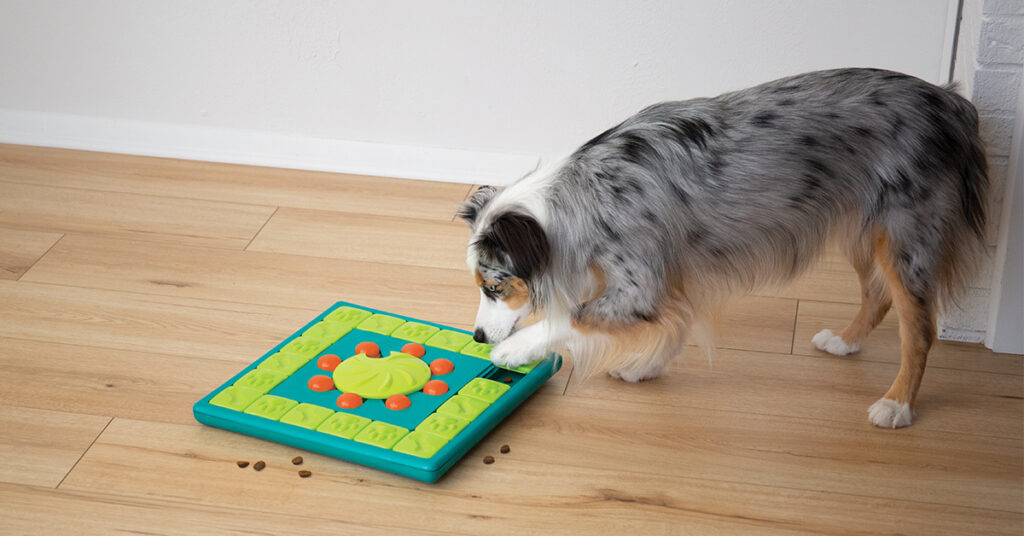
- ✦ Food puzzles
Puzzle feeders and treat toys encourage dogs to work for rewards.
- ✦ Training games
Teaching new tricks keeps the brain active and improves communication.
- ✦ Sniffing activities
Scent games allow dogs to use one of their strongest natural abilities.
Dog Mental Stimulation Ideas for Different Dogs
Every dog is unique. A young puppy may need short learning games, while an older dog may enjoy gentle puzzles and scent work.
Matching activities to your dog’s energy level and personality creates better results.

- ✦ Puppies
Use simple training, safe chew toys, and exploration games.
- ✦ Adult dogs
Try advanced puzzles, obedience games, and new experiences.
- ✦ Senior dogs
Choose low-impact activities that keep the mind active.
How Much Mental Stimulation Does a Dog Need?
There is no single amount that works for every dog. Breed, age, health, and personality all affect how much mental exercise a dog needs.
A few short sessions spread through the day are often more effective than one long activity. Watch your dog’s response and adjust based on their energy and interest.
- ✦ Start small
Begin with five to ten minute activities and increase slowly.
- ✦ Observe behavior
A relaxed and engaged dog usually shows that the activity level is suitable.
