
Every dog has a unique way of having fun. Some dogs love chasing a ball across a backyard, while others enjoy gentle wrestling, tug games, or using their nose to find hidden treats. Learning these patterns helps owners create better daily routines.
In my experience working with dog behavior topics, many problems happen because people expect every dog to play the same way. A high-energy retriever and a calm senior dog may both enjoy play, but their needs and signals can look very different.

What Are Dog Play Styles?
Dog play styles are the natural ways dogs choose to interact with people, toys, and other dogs. These styles show how a dog prefers to use energy, solve problems, and communicate.
A dog’s play style can change over time. Puppies often explore through active play, while older dogs may prefer slower games that focus on scent, learning, or gentle movement.
- ✦ Personality influence
Confident dogs may enjoy active games, while cautious dogs may prefer calm and predictable activities.
- ✦ Breed traits
Some breeds naturally enjoy retrieving, chasing, digging, or problem-solving because of their historical roles.
- ✦ Life experience
Training, socialization, and past interactions can shape how comfortable a dog feels during play.
Why Understanding Play Style Matters
Knowing your dog’s play style helps you choose games that feel rewarding instead of frustrating. It also makes it easier to spot when a dog is excited, overwhelmed, or ready for a break.
- ✦ Better bonding
Matching activities to your dog’s preferences creates positive experiences and stronger trust.
Common Types of Dog Play Styles
Dogs can show several play styles, and many dogs enjoy a mix of activities. The goal is not to label a dog permanently but to understand what makes play enjoyable.
Watching your dog’s body language is the best way to discover their favorite games.

- ✦ Chase play
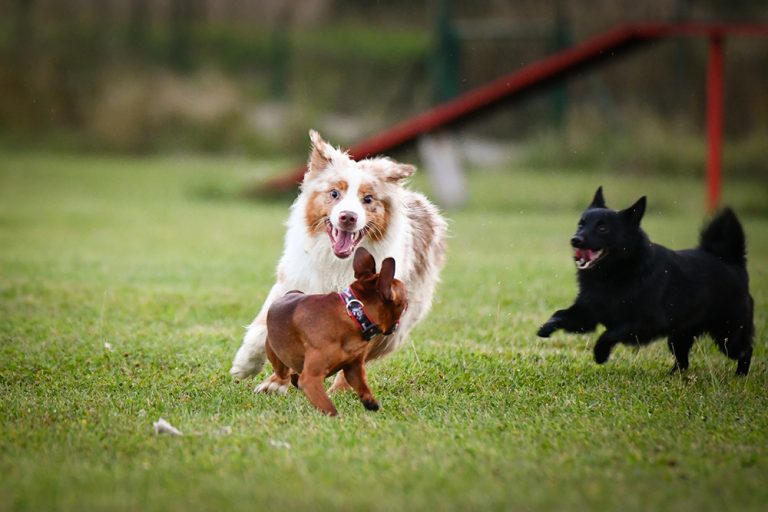
Dogs that love running after toys or other dogs often enjoy movement-based games like fetch or controlled chase.
- ✦ Tug play
Tug-loving dogs enjoy interactive games that involve pulling and teamwork with their owner.
- ✦ Wrestling play
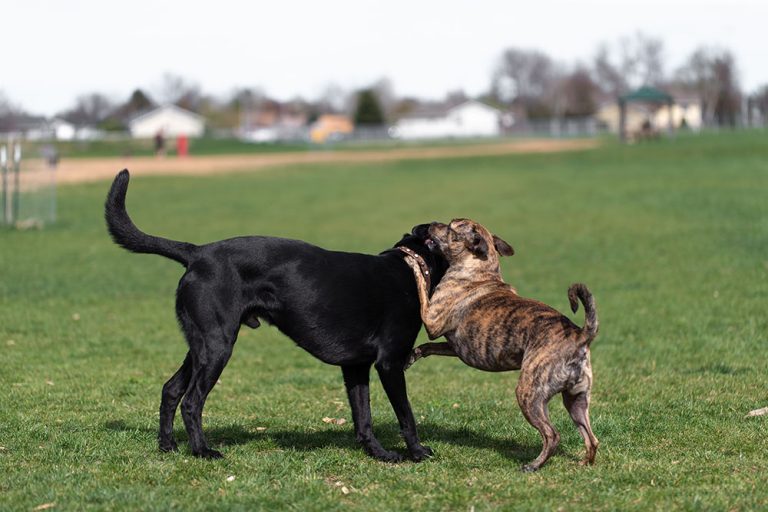
Some dogs enjoy playful body contact, bouncing, and gentle pushing with suitable dog friends.
- ✦ Object play
Some dogs prefer carrying, chewing, or exploring toys at their own pace.
Social Play Between Dogs
Healthy dog-to-dog play often includes taking turns, short pauses, and signals that show both dogs want to continue.
- ✦ Play bow
A dog lowers the front legs while keeping the back raised to invite friendly interaction.
How to Read Your Dog’s Body Language During Play
Understanding body language is one of the most important parts of learning about dog play styles. Dogs communicate through movement, facial expressions, and sounds.
A playful dog usually has a relaxed body, loose movements, and a willingness to pause. A stressed dog may become stiff, avoid interaction, or try to leave.
- ✦ Signs of healthy play
Loose bodies, role switching, play bows, and natural breaks often show comfortable interaction.
- ✦ Signs to pause
Freezing, hiding, repeated avoidance, or intense staring may mean the dog needs space.
Choosing Games Based on Your Dog’s Play Style
The best games are those that match your dog’s natural interests. A dog that loves movement may need outdoor games, while a curious dog may enjoy puzzles and scent work.
In many American homes, busy schedules make short but meaningful play sessions valuable. Even ten minutes of the right activity can provide mental and physical benefits.
- ✦ For fetch lovers
Use balls, flying discs, and safe retrieving games in open areas.
- ✦ For problem solvers
Try puzzle toys, scent games, and food-based challenges.
- ✦ For social dogs
Arrange safe play with dogs that match their energy and communication style.
Dog Play Styles and Age Differences
Age can strongly affect how dogs play. Puppies often use play to learn social skills, while adult dogs may become more selective about their activities.
Senior dogs may still enjoy play but often need shorter sessions and lower-impact games.

- ✦ Puppies
Young dogs often explore through biting, chasing, and playful movement while learning boundaries.
- ✦ Adult dogs
Adult dogs usually have clearer preferences and may enjoy specific games.
- ✦ Senior dogs
Older dogs often benefit from gentle enrichment and slower activities.
