
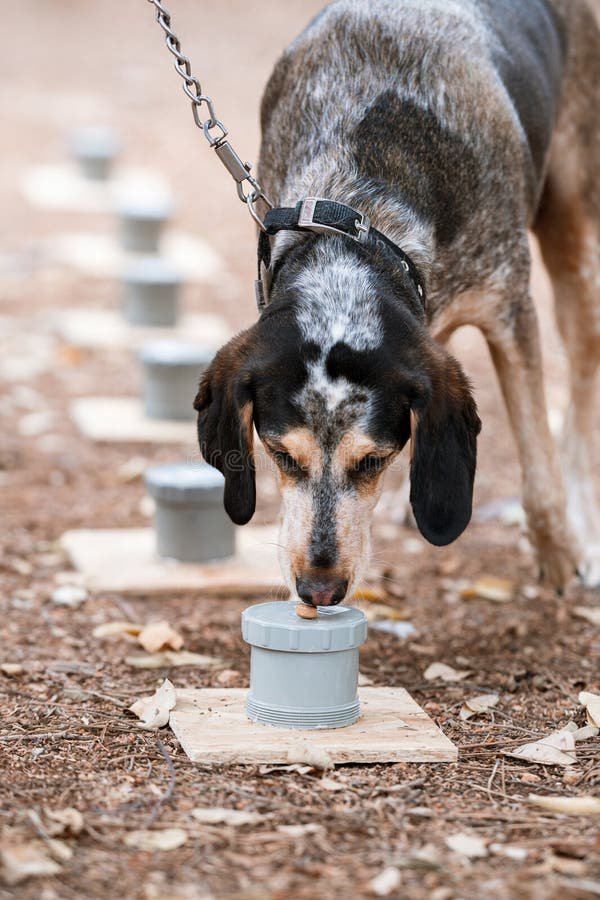
Dog nose work has become one of the most popular enrichment activities for pet owners across the United States. It gives dogs a chance to use the skill they naturally love most: sniffing. Unlike many high-energy games, nose work does not require a large yard or expensive equipment.
After working with dog training methods that focus on confidence and problem solving, I have seen how scent games can change a dog’s daily routine. A shy dog may become more confident, while a busy dog may learn to focus and relax. The key is to make the activity fun and never rush the process.

What Is Dog Nose Work and How Does It Work?
Dog nose work is a training activity where dogs use their sense of smell to locate a target scent, toy, or treat. It is based on the natural hunting behavior dogs use when they search for food and explore their environment.
During a nose work session, the dog learns to search with focus instead of relying on sight or human direction. The owner creates a search area, hides an object, and rewards the dog when the target is found.
- ✦ Natural behavior
Sniffing is part of normal canine behavior. Nose work gives dogs a healthy way to use this natural ability.
- ✦ Problem solving
Dogs must think, explore, and make decisions while searching for hidden items.
- ✦ Reward based learning
Most nose work training uses treats or praise to encourage successful searches.
Why Dogs Love Using Their Nose
A dog’s nose contains millions of scent receptors that help it gather information about the world. Sniffing allows dogs to understand places, objects, and other animals in ways humans cannot.
When dogs search, they are not just smelling. They are analyzing information and making choices. This mental effort can be deeply satisfying.
The Benefits of Dog Nose Work for Mental and Physical Health
Many dogs struggle with boredom because their daily routine does not provide enough mental challenges. Dog nose work adds a simple activity that can keep their mind busy without exhausting their body.
This type of enrichment is useful for puppies, adult dogs, senior dogs, and dogs with different energy levels. It can be adjusted based on the dog’s age, confidence, and physical ability.

- ✦ Reduces boredom
Searching activities give dogs a positive task and can reduce unwanted behaviors caused by frustration.
- ✦ Builds confidence
Finding hidden items helps dogs learn that they can solve problems independently.
- ✦ Supports calm behavior
Mental exercise can help dogs settle after using their brain during focused activities.
- ✦ Works for many dogs
Dogs that cannot handle intense physical exercise can still enjoy scent games.
Dog Nose Work for Anxious or Shy Dogs
Nose work can be especially helpful for dogs that lack confidence. A simple search game allows them to succeed at their own pace.
Owners should create easy searches at first. Small wins build trust and encourage the dog to explore more.
How to Start Dog Nose Work Training at Home
Starting dog nose work at home is simple. You do not need professional equipment or advanced training skills. A few treats, a safe room, and patience are enough for the first steps.
The goal is not speed. The goal is teaching your dog that searching is rewarding and enjoyable.

- ✦ Step 1: Introduce the search game
Place a treat near your dog and allow them to sniff and find it. Reward the discovery.
- ✦ Step 2: Increase difficulty slowly
Move treats behind objects, under cups, or around different areas of your home.
- ✦ Step 3: Add a search cue
Use a simple word like ‘find it’ so your dog understands when the game begins.
Common Beginner Mistakes
Many owners make searches too difficult too soon. If a dog cannot find the reward, it may lose interest or become frustrated.
Keep early sessions short and successful. Five minutes of focused work can be enough for many dogs.
Different Types of Dog Nose Work Games
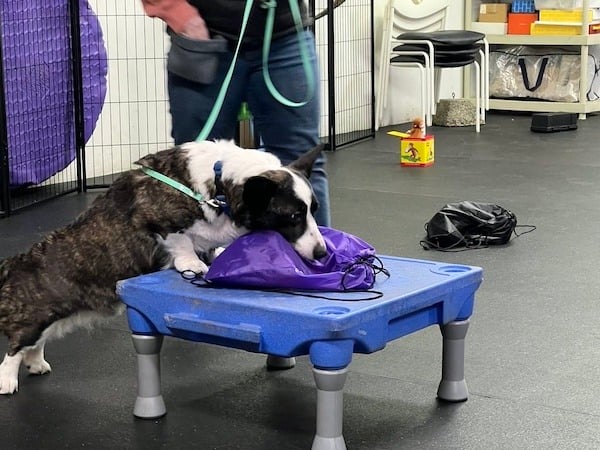
Dog nose work can include many different games. Some focus on finding treats, while others use toys, scent containers, or organized scent work activities.
Changing the type of game keeps dogs interested and provides new challenges. Variety is one of the best ways to maintain engagement.
- ✦ Hide and seek treats
Hide small treats around a room and let your dog search for them.
- ✦ Scent box games
Use boxes or containers to create a simple search area.
- ✦ Outdoor searches
Let your dog explore safe outdoor spaces while looking for hidden rewards.
- ✦ Formal scent work
Some owners join scent work classes where dogs learn structured searches.
Competitive Nose Work Sports
Some dog owners take nose work beyond home games and join competitions. Organizations offer scent work events where dogs search for specific odors in different environments.
Competitive training is not required to enjoy nose work. Many families use these activities only for fun and enrichment.
Best Practices for Successful Dog Nose Work Sessions
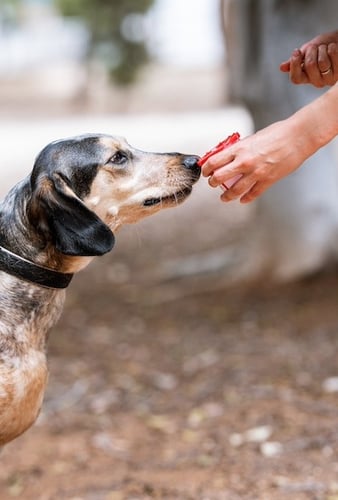
Good dog nose work sessions should feel like a game, not a test. Dogs learn best when they feel safe and motivated.
Consistency matters more than long training sessions. A few minutes several times each week can create strong habits.
- ✦ Choose a quiet space
Start training in an area with fewer distractions so your dog can focus.
- ✦ Use high value rewards
Special treats can make the search experience more exciting.
- ✦ Allow natural sniffing
Do not rush your dog. Sniffing is the main skill being developed.
Safety Tips for Nose Work
Always use safe objects and avoid hiding items that your dog could swallow. Supervise your dog during new games.
If your dog shows stress or confusion, make the search easier and rebuild confidence.
