
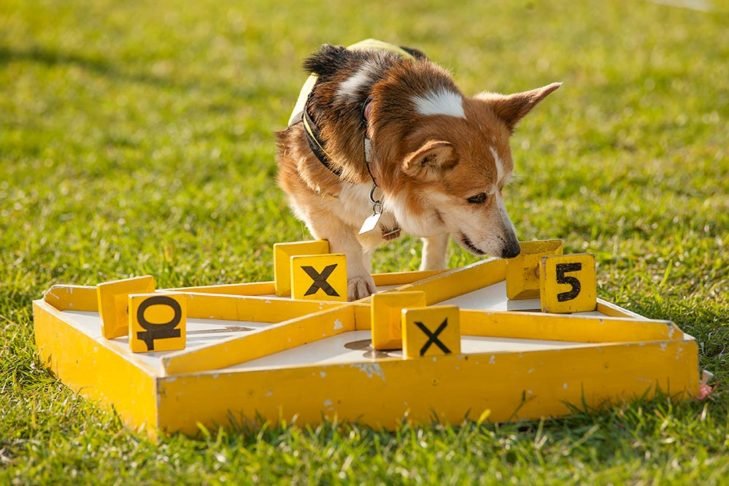
Many dog owners in the United States use puzzle games to give their pets more than physical exercise. A short puzzle session can turn a normal day into a learning experience. Dogs naturally explore, sniff, search, and solve problems, and puzzles give them a safe way to practice these skills.
In my experience working with dog enrichment ideas, I have seen that dogs often become more confident when they learn how to solve simple challenges. The goal is not to make every puzzle difficult. The goal is to create a positive experience where the dog thinks, tries, and succeeds.

What Is Dog Puzzle Solving?
Dog puzzle solving is the process of teaching or allowing dogs to complete a mental challenge to reach a goal. The goal may be finding a hidden treat, moving a part of a toy, opening a section, or following a scent trail.
These activities work because dogs enjoy using their senses and learning patterns. Dog puzzle solving is not only about entertainment. It also builds focus, patience, and confidence.
- ✦ Mental exercise
Puzzles make dogs think and use skills such as memory, observation, and decision making.
- ✦ Natural behavior
Many puzzles support natural behaviors like sniffing, searching, and exploring.
How Dogs Approach Problems
Dogs solve problems differently from humans. They often use smell, movement, trial and error, and learned habits to find solutions. A dog may first paw at a toy, then use its nose, and later remember the correct action.
- ✦ Trial and learning
Dogs improve through repeated practice and positive rewards.
Benefits of Dog Puzzle Solving for Mental Health and Behavior
Dogs need mental activity as well as walks and play. Without enough stimulation, some dogs may develop unwanted habits such as chewing furniture, barking often, or searching for their own entertainment.
Dog puzzle solving can add purpose to a dog’s routine. It gives many pets a job to complete and helps them feel engaged.

- ✦ Reduces boredom
Puzzle games provide a useful activity when dogs spend time indoors.
- ✦ Builds confidence
Successfully completing simple challenges can help dogs feel more comfortable trying new things.
- ✦ Supports bonding
Owner-guided puzzle sessions create positive interaction between people and dogs.
Types of Dog Puzzle Games and Toys
There are many forms of dog puzzle solving activities. Some use food rewards, while others focus on scent, movement, or learning commands. Choosing the right type depends on the dog’s personality and skill level.
Beginners should start with easy puzzles. A dog that feels frustrated may lose interest, while a dog that succeeds will want to keep learning.

- ✦ Treat dispensing toys
These toys release food when dogs roll, push, or manipulate them correctly.
- ✦ Snuffle games
Sniffing games encourage dogs to search for hidden treats using their strongest sense.
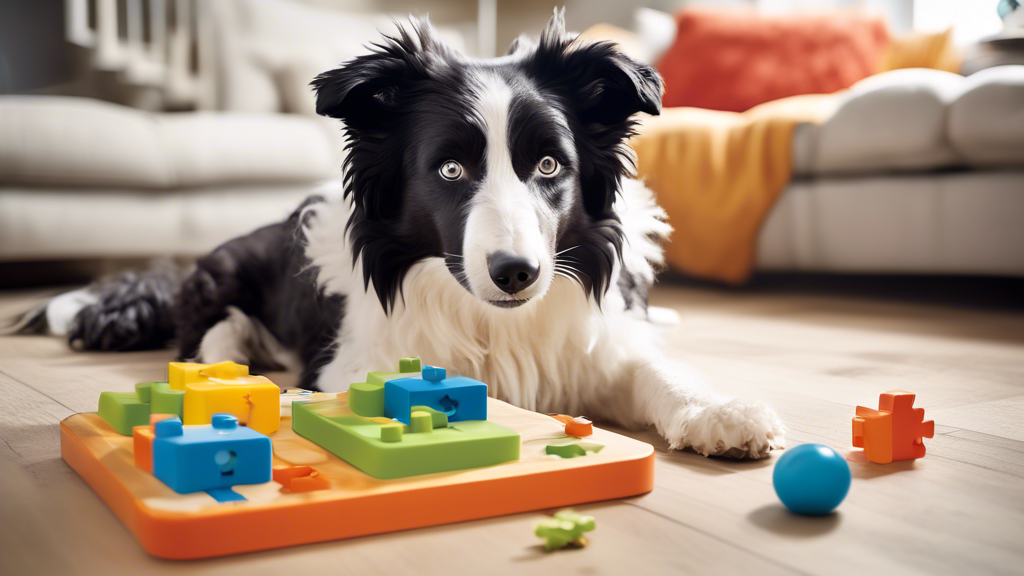
- ✦ Interactive board puzzles
These puzzles require dogs to move pieces, lift covers, or follow steps.
Choosing Puzzle Difficulty
A good puzzle should challenge a dog without causing stress. Increase difficulty slowly as the dog learns.
- ✦ Beginner level
Use simple puzzles with clear rewards and easy movements.
- ✦ Advanced level
Use multi-step puzzles for dogs that already enjoy problem solving.
How to Teach Dog Puzzle Solving Step by Step
Teaching dog puzzle solving should be simple and positive. Start by showing the dog how the game works. Avoid forcing the dog because learning should feel rewarding.
Many trainers use treats, praise, and patience. A few minutes of successful practice is often better than a long session that becomes frustrating.

- ✦ Step 1: Introduce the puzzle
Let your dog smell and inspect the puzzle before asking for interaction.
- ✦ Step 2: Reward effort
Reward small actions so the dog understands the game.
- ✦ Step 3: Increase challenge
Add difficulty only after the dog understands the basic task.
Common Mistakes When Using Dog Puzzle Toys
Dog puzzles work best when they match the dog’s needs. A common mistake is choosing a puzzle only because it looks impressive instead of considering whether the dog can enjoy it.
Supervision is also important. Some dogs chew puzzle pieces instead of solving them, which can create safety risks.

- ✦ Making puzzles too hard
Difficult puzzles can create frustration instead of confidence.
- ✦ Ignoring the dog’s personality
Some dogs prefer scent games, while others enjoy movement-based puzzles.
- ✦ Leaving toys unsupervised
Check toys regularly for damage or loose parts.
DIY Dog Puzzle Solving Ideas at Home
Dog puzzle solving does not always require expensive toys. Many owners create simple games using safe household items. These activities can provide mental exercise while keeping costs low.
Always choose materials that are safe for your dog. Avoid small pieces that can be swallowed and supervise new activities.
- ✦ Treat hunt
Hide treats around a room and let your dog search using smell.
- ✦ Cup game
Place a treat under one safe cup and encourage your dog to find it.
- ✦ Towel puzzle
Roll treats inside a towel and allow your dog to discover them.
