
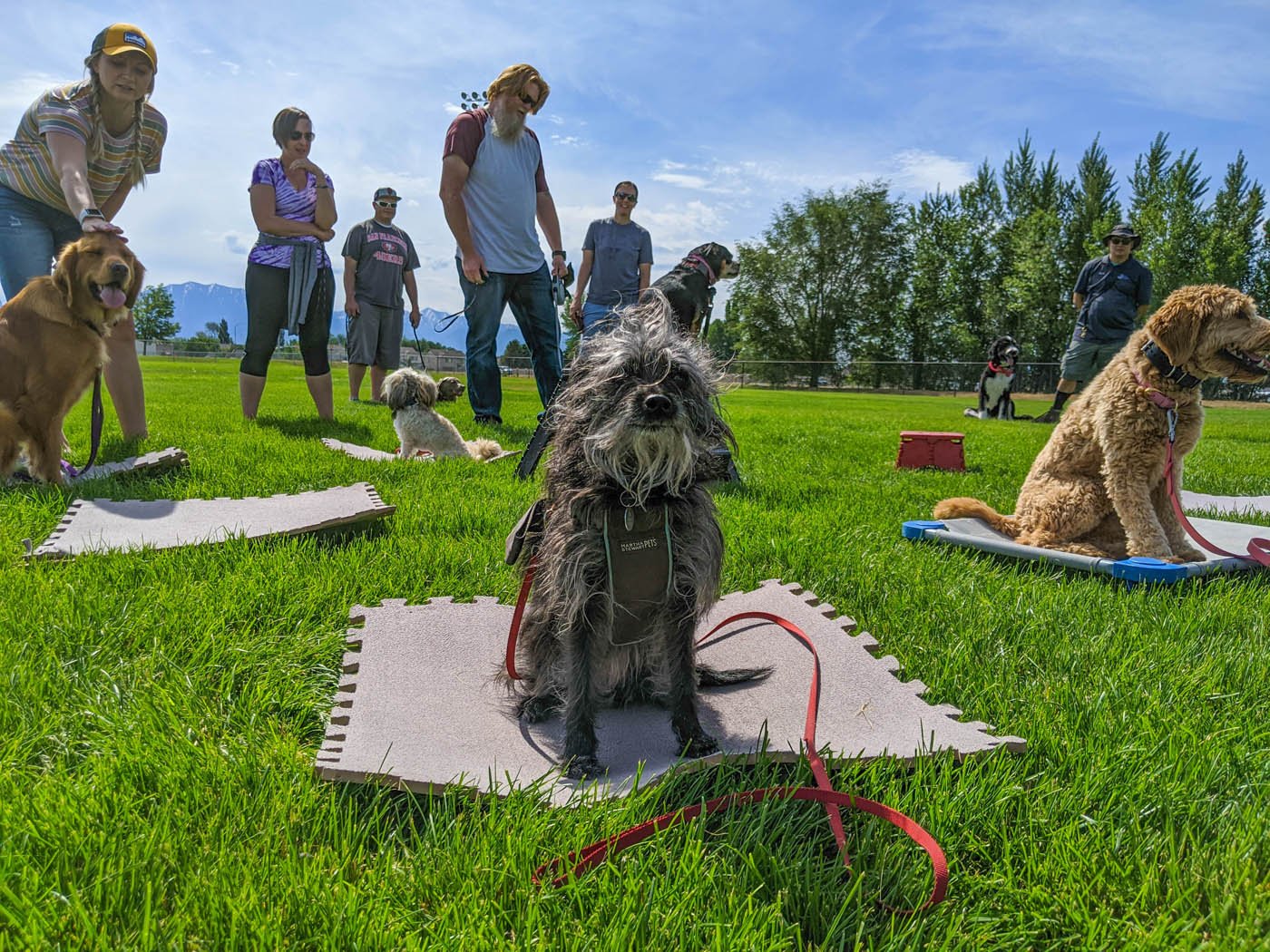
Dog training sessions are one of the best ways to create a strong bond between you and your dog. A well-planned session teaches your dog what you expect while making learning simple and enjoyable. In my experience working with dog behavior topics, the biggest changes happen when owners stay patient and practice small skills every day.
Many dog owners in the United States use professional training sessions to solve common issues like pulling on the leash, jumping on guests, barking, and poor recall. The goal is not only to teach commands but also to help dogs make better choices in daily life.

What Are Dog Training Sessions?
Dog training sessions are planned lessons where a dog learns new skills with guidance from an owner or trainer. These sessions may focus on basic obedience, advanced commands, behavior improvement, or special tasks.
A good session uses clear communication, repetition, and positive feedback. Dogs learn best when they understand what action earns a reward and when training feels safe and rewarding.
- ✦ Basic obedience training
Dogs learn important commands such as sit, stay, come, down, and leave it.
- ✦ Behavior training
Training can help reduce unwanted habits like excessive barking, jumping, or leash pulling.
- ✦ Social training
Dogs learn how to behave calmly around people, pets, and new environments.
Why Structure Matters in Training
A structured training plan helps dogs understand expectations. Random commands without consistency can confuse a dog and slow progress.
Each session should have a clear goal, such as improving recall or practicing calm behavior around distractions.
- ✦ Clear goals
Each lesson should focus on one or two skills instead of overwhelming the dog.
Benefits of Regular Dog Training Sessions
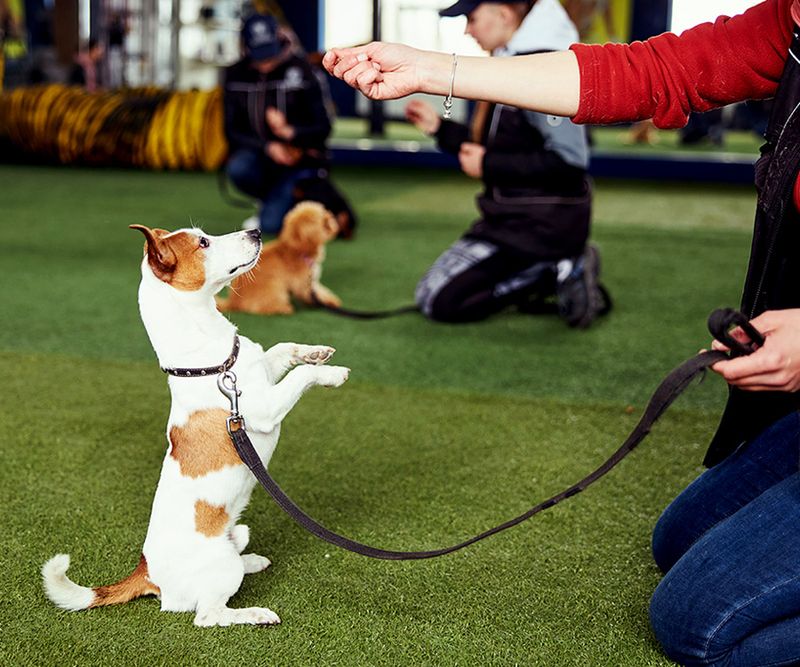
Regular dog training sessions improve communication between dogs and their owners. When dogs understand commands, they often feel more confident because they know how to respond.
Training also creates mental exercise. Many behavior problems happen because dogs need more guidance, activity, or engagement during the day.
- ✦ Better communication
Training helps owners and dogs understand each other’s signals and expectations.
- ✦ Improved safety
Commands like come and stay can help protect dogs during outdoor activities.
- ✦ Stronger bond
Positive training builds trust and creates a closer relationship between pets and owners.
Mental Exercise for Dogs
Dogs need mental challenges along with physical activity. Learning new commands gives their brains useful work and can reduce boredom.
Simple training games at home can support professional dog training sessions and help skills become habits.
- ✦ Training games
Puzzle activities and command games make learning more enjoyable.
What Happens During a Typical Dog Training Session?
A typical dog training session begins with a review of previous skills. The trainer checks progress and adjusts exercises based on the dog’s needs.
The session usually includes practice, rewards, and guidance for the owner. A good trainer teaches people how to continue training between lessons.

- ✦ Assessment
The trainer observes behavior and identifies areas that need improvement.
- ✦ Skill practice
The dog practices commands in controlled steps with rewards.
- ✦ Owner education
Owners learn techniques they can use at home.
How Long Should Training Sessions Last?
Most dogs respond well to short and focused lessons. The ideal length depends on the dog’s age, energy level, and attention span.
Puppies often need shorter sessions, while adult dogs may handle longer practice periods when training remains engaging.
- ✦ Short practice
Frequent short lessons often keep dogs interested and motivated.
Types of Dog Training Sessions Available
Dog training sessions come in different formats. The best choice depends on your dog’s personality, goals, and your lifestyle.
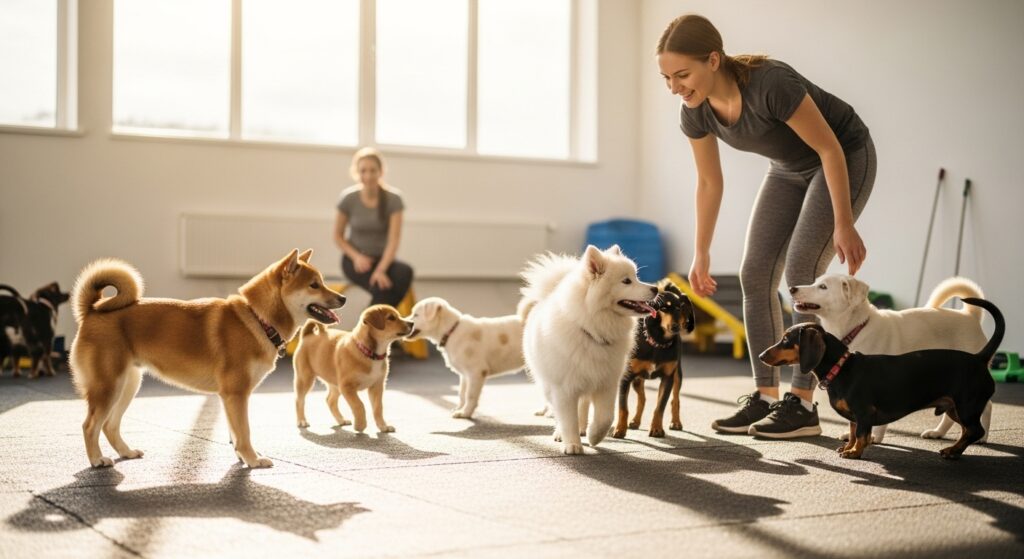
Some owners prefer private lessons because they offer personal attention. Others choose group classes because they provide social learning opportunities.
- ✦ Private training sessions
A trainer works directly with one dog and owner to address specific needs.
- ✦ Group training classes
Dogs practice commands around distractions and learn social skills.
- ✦ Online training
Virtual lessons can help owners learn training methods from home.
Private vs Group Training
Private sessions may be useful for dogs with specific behavior challenges. Group classes can help dogs practice focus around other animals and people.
Many owners combine both methods to create balanced learning.
- ✦ Personal attention
Private sessions allow trainers to focus on individual problems.
Positive Reinforcement in Dog Training Sessions
Positive reinforcement is a popular training method that rewards good behavior. Rewards can include treats, praise, toys, or playtime.
This approach helps dogs connect good actions with positive results. Many professional trainers use reward-based methods because they encourage cooperation and trust.

- ✦ Reward good behavior
Give rewards quickly after the desired action so dogs understand the connection.
- ✦ Avoid confusion
Use simple commands and consistent responses during every session.
Common Training Mistakes to Avoid
Many owners expect fast results and become frustrated when progress takes time. Dogs learn at different speeds, so patience is important.
Another mistake is skipping practice between lessons. Regular repetition helps dogs remember new skills.
- ✦ Inconsistent rules
Dogs learn better when everyone in the home follows the same commands.
