
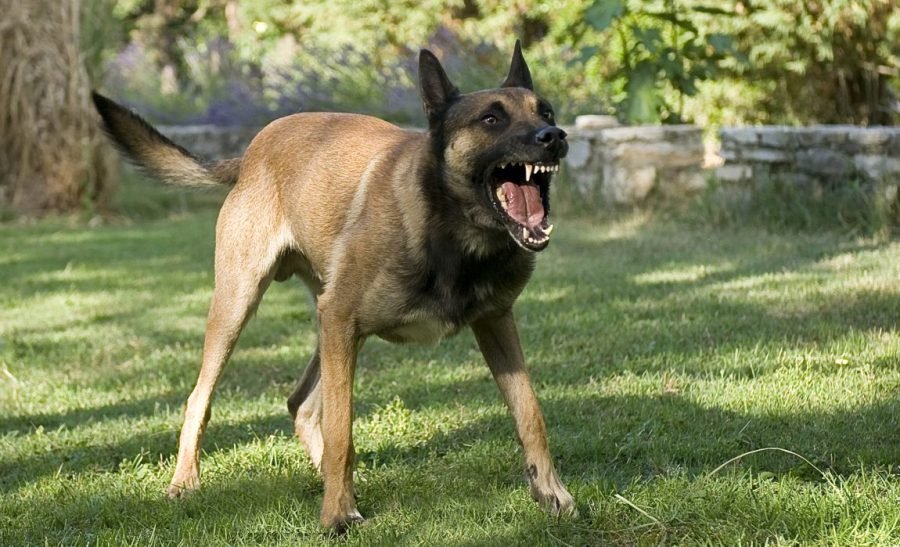
Dog territorial behavior is one of the most common concerns among American dog owners. A dog may bark at the front window, growl when guests enter, or protect a favorite resting spot. These actions often come from instinct, fear, or uncertainty rather than simple disobedience.
In my experience studying canine behavior, I have found that many owners focus only on stopping the reaction. The better approach is to understand why the dog feels the need to guard something and then teach a safer response through calm training and trust.

What is dog territorial behavior?
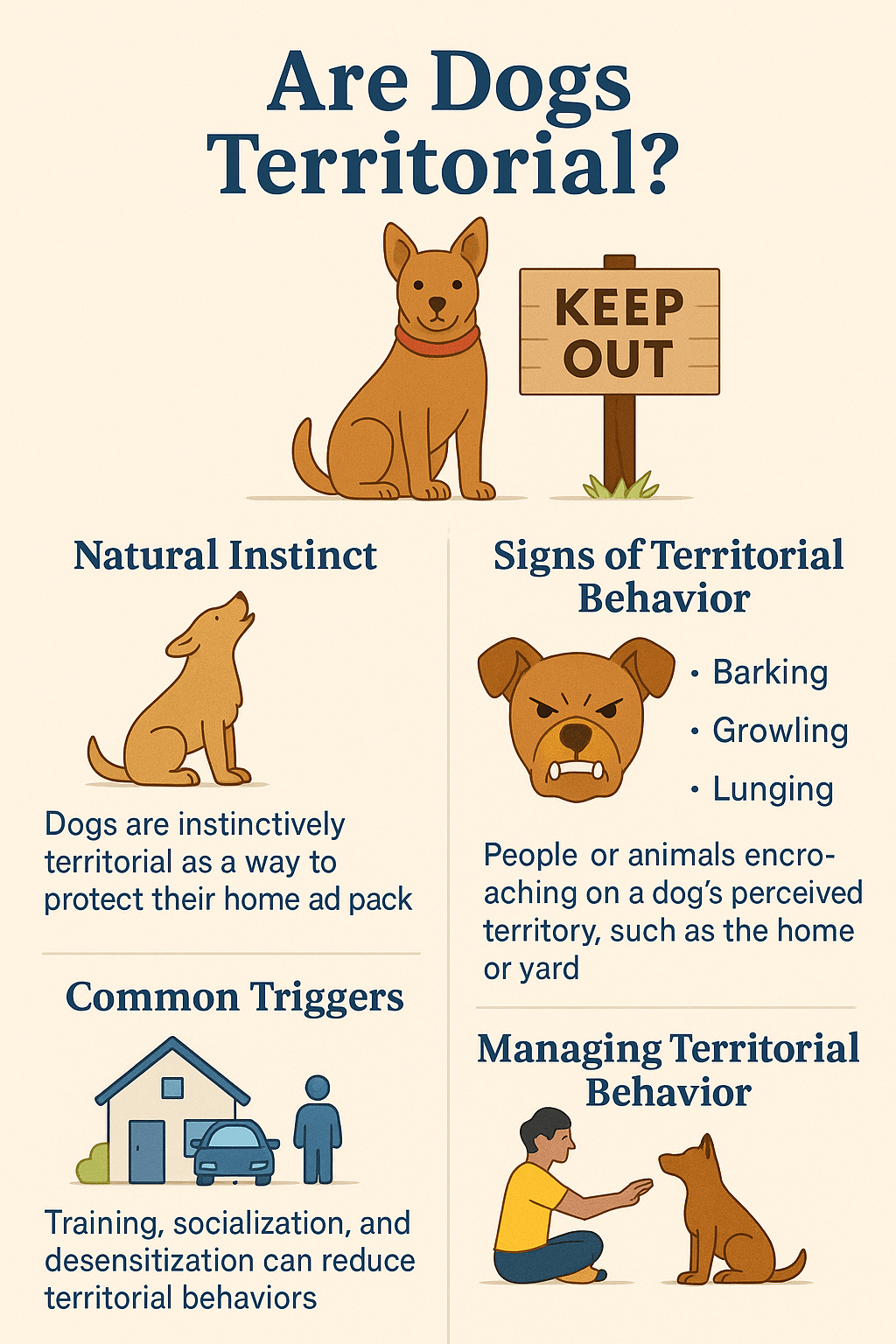
Dog territorial behavior is a protective response toward a specific area, person, or object. Dogs may view their home, yard, crate, car, or family members as valuable resources that need protection.
This behavior is not always a problem. A dog barking once when someone approaches the house can be normal. The concern begins when the response becomes intense, frequent, or difficult to control.
- ✦ Home guarding
Dogs may bark, growl, or rush toward doors and windows when they notice visitors or unfamiliar sounds.
- ✦ Resource protection
Some dogs guard toys, food bowls, beds, or other items they consider important.
- ✦ Social protection
A dog may attempt to control access to a favorite person through blocking or warning behaviors.
Why do dogs develop territorial behavior?
Dogs develop territorial behavior for several reasons. Genetics, early experiences, environment, and training all influence how a dog reacts to new people, animals, and situations.
Some breeds have stronger guarding instincts, but any dog can show territorial responses. A small dog may bark constantly at the window, while a larger dog may stand between its owner and a visitor.

- ✦ Natural instinct
Protecting valuable areas is part of normal canine survival behavior.
- ✦ Lack of social exposure
Dogs that do not meet different people, animals, and environments may feel unsure about changes.
- ✦ Past experiences
Fearful or stressful events can increase defensive territorial reactions.
The role of confidence and fear
Many cases of dog territorial behavior are linked to insecurity. A dog that feels unsure may use barking or aggressive displays to create distance from a perceived threat.
- ✦ Fear-based guarding
The dog reacts because it believes the situation is unsafe.
Common signs of dog territorial behavior
Recognizing early signs helps owners manage dog territorial behavior before it becomes a serious issue. Dogs often communicate discomfort through body language before they bark or growl.
A dog may show one sign or several signs together. The meaning depends on the situation, the dog’s history, and the intensity of the response.

- ✦ Barking at visitors
Repeated barking at doors, windows, or people passing by can indicate territorial guarding.
- ✦ Body blocking
The dog may place its body between a person and another animal or visitor.
- ✦ Stiff posture
A tense body, raised tail, or fixed stare can show discomfort.
- ✦ Growling or snapping
These warnings should be taken seriously and handled with careful training.
How to reduce dog territorial behavior safely
Managing dog territorial behavior requires patience and consistency. Punishment can increase fear and may make a dog more defensive. Reward-based training helps dogs learn better choices.
A successful plan usually combines training, environmental changes, and controlled exposure to triggers. Owners should focus on changing the dog’s emotional response, not only stopping the visible action.
- ✦ Teach alternative behaviors
Train commands like sit, stay, or go to a mat when visitors arrive.
- ✦ Reward calm actions
Give treats and praise when the dog remains relaxed around triggers.
- ✦ Manage the environment
Use curtains, gates, or distance to reduce overwhelming situations.
Visitor training steps
Start with controlled visits. Ask guests to ignore the dog at first and reward calm behavior. Over time, the dog can learn that visitors do not mean danger.
- ✦ Slow introductions
Avoid forcing interactions before the dog feels comfortable.
Dog territorial behavior versus normal protective behavior
Not every protective action is a problem. Dogs naturally notice changes around them and may alert their owners. Healthy alerting usually stops after the owner checks the situation.
Problematic dog territorial behavior continues even when there is no real threat. It may limit visitors, create stress, or lead to unsafe situations.

- ✦ Normal protection
The dog alerts briefly and relaxes after receiving information from the owner.
- ✦ Problem behavior
The dog stays tense, reacts strongly, or cannot calm down after the trigger disappears.
When to seek professional help for territorial aggression
Some cases of dog territorial behavior need help from a qualified trainer or veterinary behavior professional. This is especially true when a dog has attempted to bite or cannot safely interact with people.
Professional guidance can help identify triggers and create a behavior plan that fits the dog’s needs. Early support often makes training easier and safer.

- ✦ Signs that need attention
Biting attempts, severe fear, repeated attacks, or unpredictable reactions require professional advice.
- ✦ Safety first
Use management tools such as leashes and barriers while working on behavior changes.
