
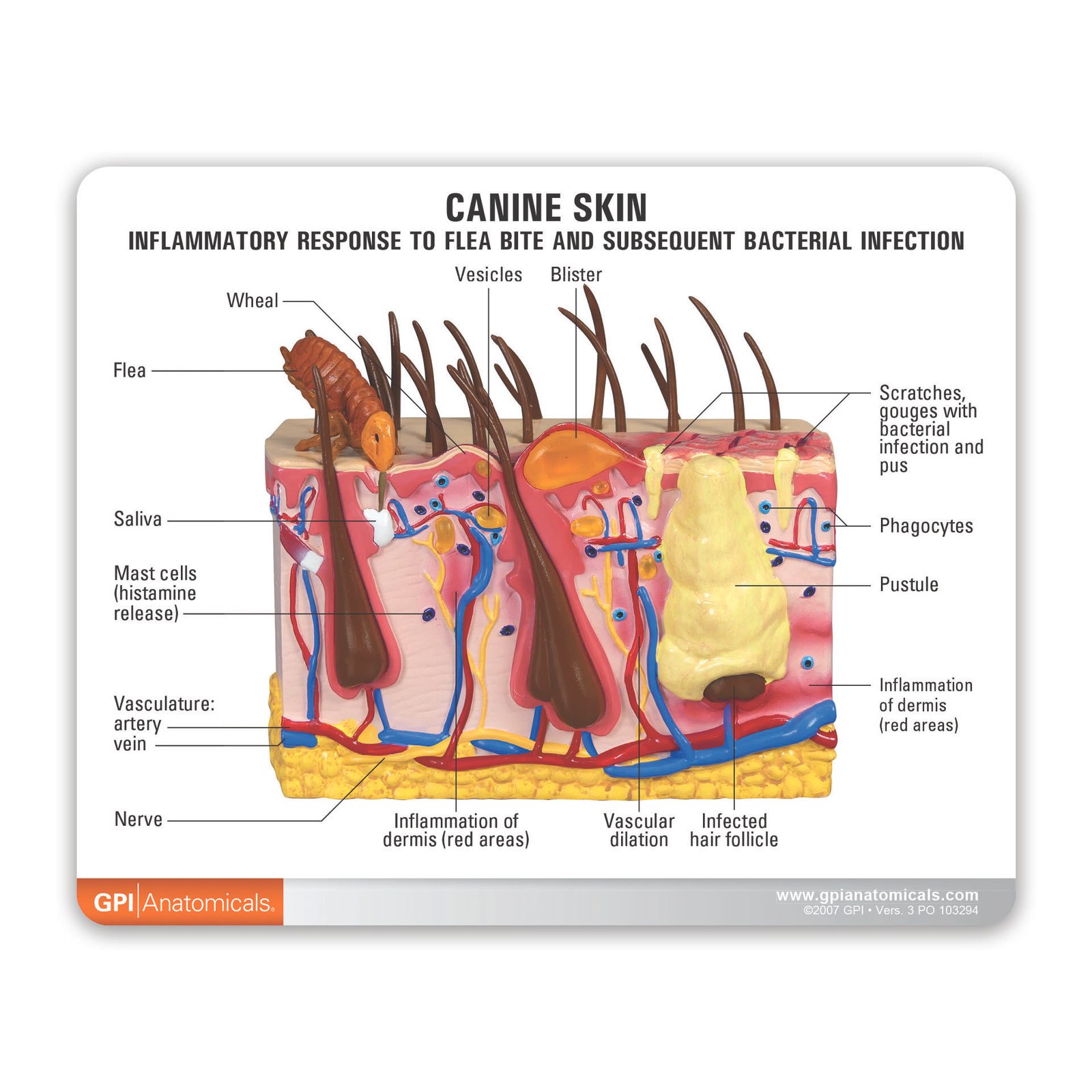
Understanding dog skin anatomy helps owners notice problems early and provide better care. A dog’s skin is more than a simple outer covering. It is a living organ that protects against injuries, bacteria, weather changes, and harmful substances.
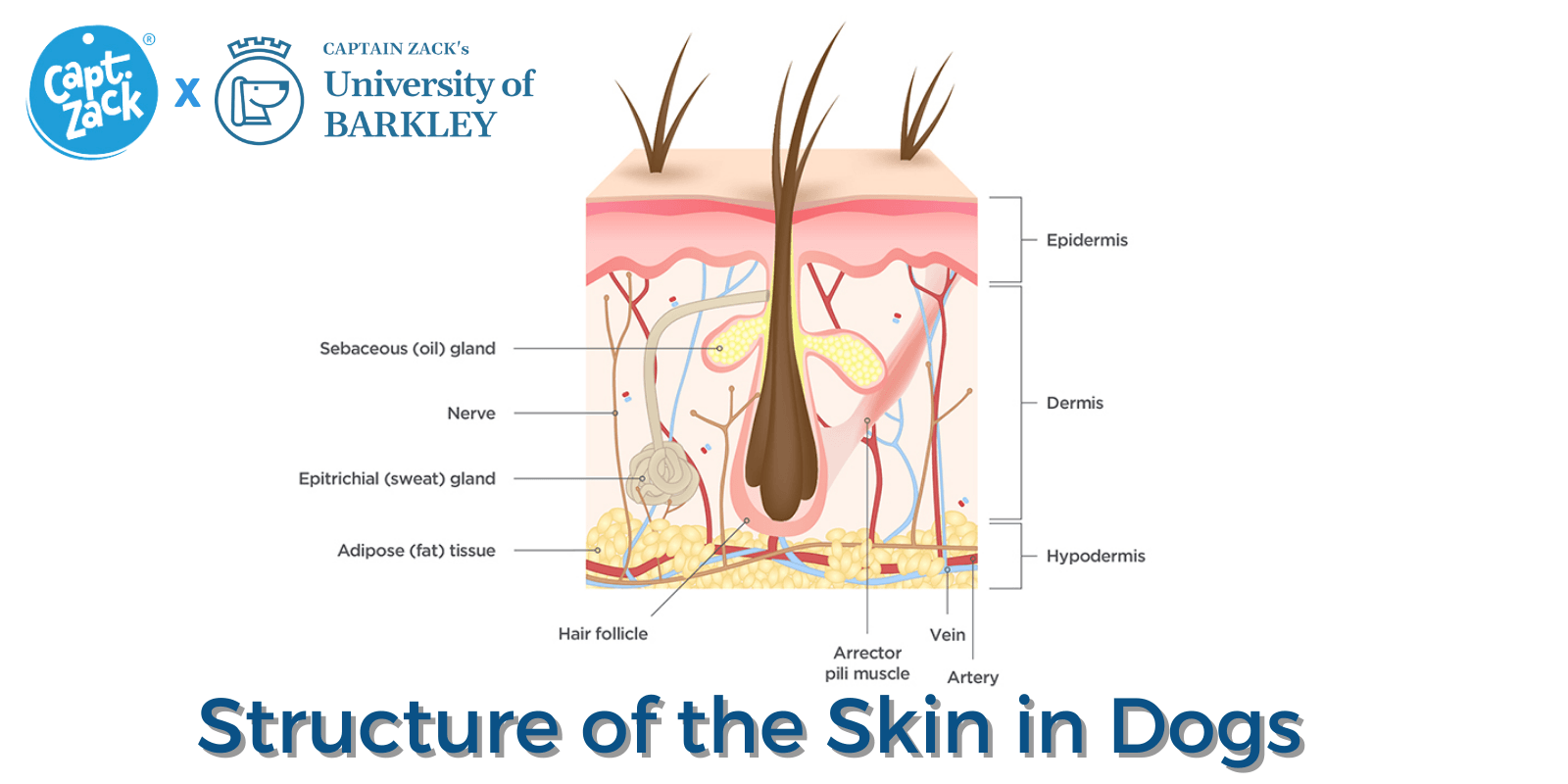
When studying canine skin, professionals look at the relationship between skin layers, hair follicles, oil glands, immune cells, and nerves. In everyday practice, healthy skin is often a sign of good nutrition, proper grooming, and overall wellness.
What Is Dog Skin Anatomy?
Dog skin anatomy describes the structure and function of a dog’s largest organ. Skin covers the entire body and creates a protective barrier between internal tissues and the outside world.
Unlike human skin, canine skin works closely with fur, scent glands, and body temperature systems. The skin also plays a major role in immune defense because it blocks many harmful organisms.
- ✦ Protection
Skin prevents moisture loss and helps protect muscles, organs, and tissues from outside damage.
- ✦ Temperature control
Skin and the coat help dogs manage heat and cold.
- ✦ Sensation
Nerve endings in the skin help dogs feel touch, pressure, and temperature changes.
Why Understanding Skin Structure Matters
Knowing dog skin anatomy makes it easier to understand itching, shedding, infections, and allergies. Many visible skin issues begin with changes in deeper layers.
Pet owners in the United States often notice skin problems during routine grooming. Early attention can prevent small issues from becoming serious conditions.
The Three Main Layers of Dog Skin
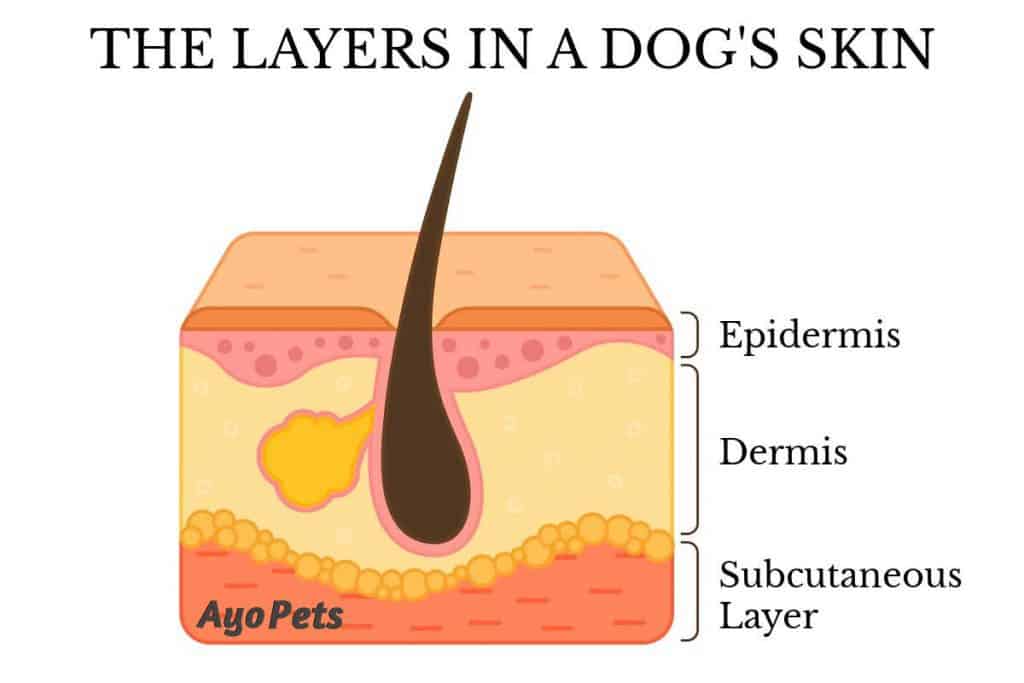
Dog skin anatomy has three primary layers. Each layer has a specific role and works together to keep the dog healthy.
The outer layer faces the environment, while deeper layers provide strength, nourishment, and insulation.
- ✦ Epidermis
The epidermis is the outer layer that forms the first protective barrier. It contains cells that replace damaged skin.
- ✦ Dermis
The dermis contains blood vessels, nerves, hair follicles, and glands that support skin function.
- ✦ Subcutaneous layer
This deeper fatty layer cushions the body and helps store energy and maintain warmth.
The Epidermis Layer
The epidermis is made of tightly connected cells called keratinocytes. These cells create keratin, a strong protein that supports the skin barrier.
A healthy epidermis helps reduce water loss and blocks many environmental threats.
The Dermis Layer
The dermis is the active support layer of canine skin. It contains structures needed for hair growth, healing, and sensation.
Damage to this layer can affect hair growth and cause long-term skin changes.
Hair Follicles and the Dog Coat System
Hair is an important part of dog skin anatomy. Each hair grows from a follicle located inside the dermis.
Dogs have different coat types because breeds vary in hair follicle structure, density, and growth patterns.

- ✦ Hair follicles
Follicles produce hair and connect with small muscles and glands.
- ✦ Undercoat
The undercoat provides insulation and helps some dogs handle cold weather.
- ✦ Guard hairs
Guard hairs create an outer protective coat layer.
Skin Glands in Dogs and Their Functions
Dogs have several types of glands connected to their skin. These glands help control moisture, scent, and skin protection.
Changes in gland activity can affect coat appearance and may contribute to odor or irritation.

- ✦ Sebaceous glands
These glands produce oil called sebum, which helps keep skin and hair flexible.
- ✦ Sweat glands
Dogs have limited sweat glands and mainly cool themselves through panting.
- ✦ Scent glands
Scent glands help dogs communicate through chemical signals.
How Dog Skin Protects Against Disease
A key function of dog skin anatomy is defense. Healthy skin creates a barrier that limits the entry of bacteria, fungi, and irritants.
The immune system inside the skin also responds when harmful substances enter or when injury occurs.

- ✦ Physical barrier
The skin surface blocks many harmful particles and organisms.
- ✦ Immune response
Skin cells help identify and respond to possible threats.
- ✦ Healing ability
Skin repairs small injuries through natural regeneration processes.
Common Dog Skin Problems Related to Skin Anatomy
Many common skin problems happen when parts of dog skin anatomy stop working normally. Owners may notice itching, redness, hair loss, or changes in skin texture.
Skin symptoms can have many causes, including allergies, parasites, infections, or environmental factors.
- ✦ Allergies
Dogs may react to food, pollen, fleas, or other substances with itching and inflammation.
- ✦ Parasites
Fleas and mites can irritate the skin and damage the coat.
- ✦ Infections
Bacterial and fungal infections can affect skin health.
