
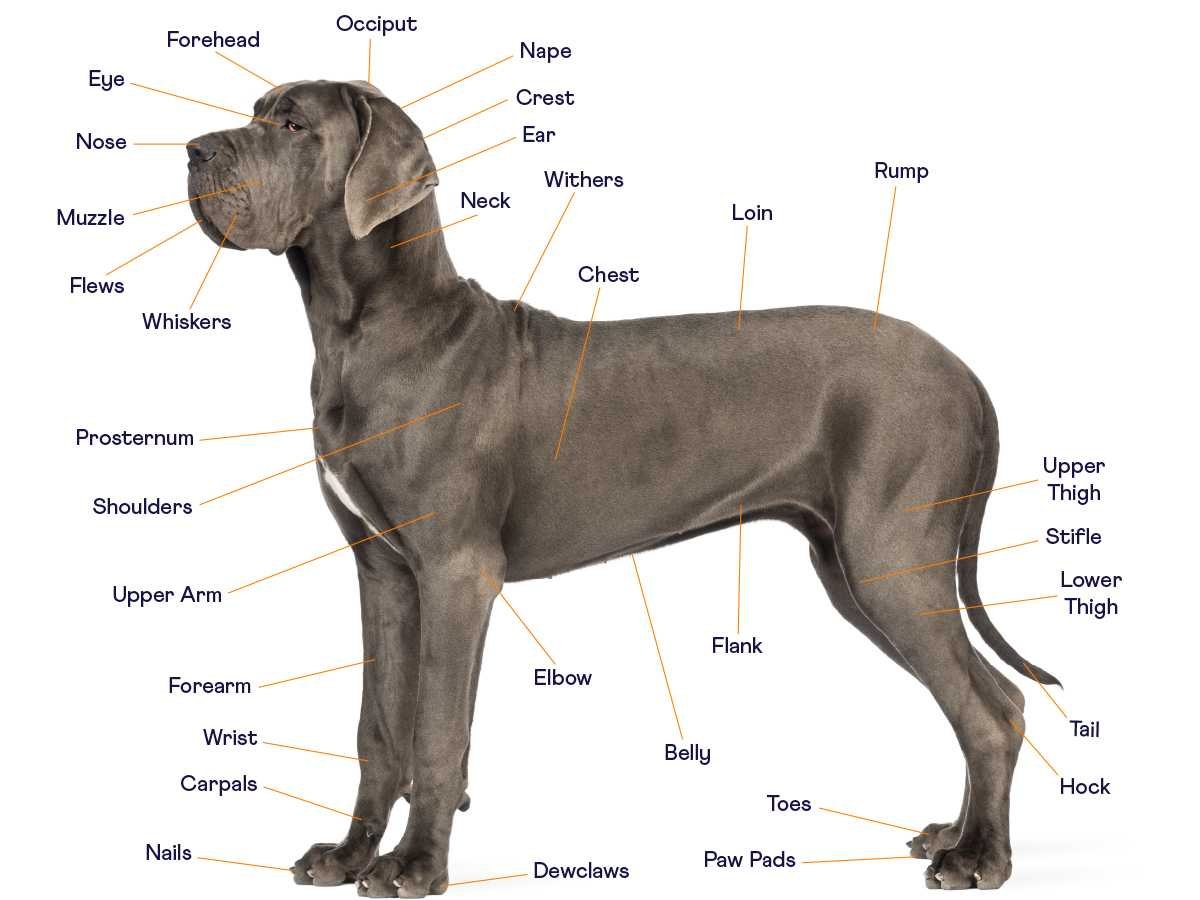
Understanding dog coat anatomy helps owners make better choices about grooming, bathing, and daily care. A dog’s coat is more than a layer of fur. It is a living protective system that supports comfort, health, and communication.
In my experience studying canine care topics, many coat problems happen because owners treat every dog the same. A short-haired dog, a double-coated breed, and a curly-coated dog all need different care because their coat structures are different.

What Is Dog Coat Anatomy?
Dog coat anatomy refers to the structure and function of a dog’s hair, skin, and related tissues. The coat protects the body from weather, sunlight, dirt, and minor injuries.
A healthy coat begins below the surface. Hair grows from follicles inside the skin, while glands produce oils that keep the coat flexible and protected.
- ✦ Hair follicles
Hair follicles are small structures in the skin where each hair grows and receives nutrients.
- ✦ Sebaceous glands
These glands create natural oils that help keep the skin moisturized and the coat shiny.
- ✦ Protective barrier
The coat works with the skin to block outside irritants and reduce moisture loss.
The Main Layers of a Dog Coat
Most dogs have more than one type of hair. The layers of a coat work together to provide insulation and protection.
The exact coat design depends on breed history. Dogs developed different coats to survive different climates and perform different jobs.

- ✦ Top coat
The top coat contains longer guard hairs that protect the skin from water, dirt, and sunlight.
- ✦ Undercoat
The undercoat is a softer layer that traps air and helps keep dogs warm or cool.
- ✦ Skin layer
The skin supports hair growth and contains nerves, blood vessels, and glands.
Single-Coated Dogs
Single-coated dogs have one main layer of hair. Breeds such as Poodles often have coats that continue growing and need regular trimming.
- ✦ Grooming needs
These coats often need frequent brushing to prevent tangles and mats.
Double-Coated Dogs
Double-coated dogs have a protective outer coat and a soft insulating undercoat. Many northern and working breeds have this design.
- ✦ Seasonal shedding
Many double-coated dogs shed more during seasonal changes as they adjust their insulation.
Different Types of Dog Hair and Coat Textures
Dog coat anatomy varies greatly between breeds. Hair texture affects grooming, shedding, and protection from the environment.
Knowing your dog’s coat type makes daily care easier and helps prevent common problems like mats and dry skin.

- ✦ Smooth coats
Short, close hair that usually needs simple brushing and basic maintenance.
- ✦ Long coats
Long hair requires regular brushing because it can easily develop knots.
- ✦ Curly coats
Curly hair often traps loose hair and needs consistent grooming.
- ✦ Wire coats
Rough-textured coats provide protection and are common in some hunting breeds.
How a Dog Coat Protects the Body
The dog coat acts as a natural shield. It helps protect against heat, cold, moisture, and small environmental hazards.
A healthy coat also supports communication because dogs use body hair changes, such as raised hackles, to show emotions.

- ✦ Temperature control
Coat layers help slow heat loss during cold weather and provide insulation.
- ✦ Sun protection
Hair helps reduce direct sunlight exposure on the skin.
- ✦ Sensory function
Hair around the body can help dogs sense movement and nearby contact.
The Dog Hair Growth Cycle
Dog hair follows a natural growth cycle. Understanding this process explains why dogs shed and why some breeds need frequent grooming.
The cycle includes growth, rest, and shedding stages. Each hair moves through this process at its own pace.
- ✦ Growth phase
Hair actively grows from the follicle during this stage.
- ✦ Rest phase
Hair stops growing while the follicle prepares for a new cycle.
- ✦ Shedding phase
Old hairs fall out and new hairs replace them.
