
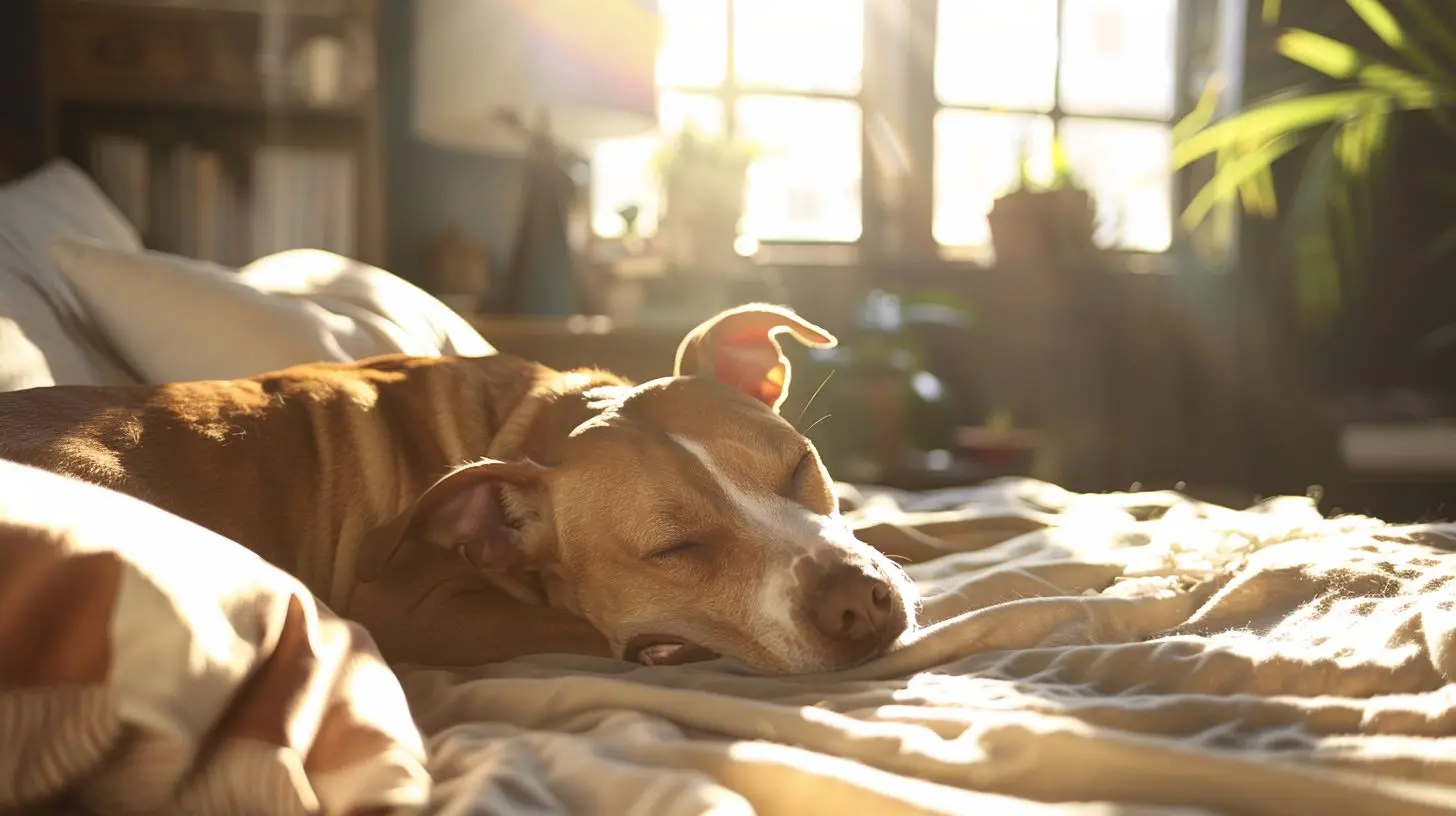
Dogs spend many hours resting each day, so their sleeping space plays a major role in their overall comfort. A well-planned dog sleep environment helps dogs relax, recover after activity, and feel secure inside the home.
From working with pet owners, one common lesson is that dogs often sleep better when their needs are simple and consistent. A soft bed, peaceful corner, stable temperature, and predictable routine can make a noticeable difference.
In American homes, dogs are often part of the family routine. Creating a dedicated dog sleep environment helps support healthy habits while giving your pet a personal place to recharge.

Why a Good Dog Sleep Environment Matters
A proper dog sleep environment supports physical and mental health. Rest helps dogs recover from play, walks, training, and daily activities.
When a dog does not have a comfortable resting area, it may struggle to relax. Loud sounds, poor bedding, or frequent interruptions can reduce sleep quality.
A peaceful sleep space also helps dogs build confidence. A familiar area where they feel safe can reduce stress and encourage natural rest.

- ✦ Better recovery
Quality rest helps muscles recover and supports normal energy levels.
- ✦ Lower stress
A calm sleeping area gives dogs a place to escape noise and busy household activity.
- ✦ Healthy routine
A consistent sleep location helps dogs understand when it is time to relax.
How Sleep Affects Dog Behavior
Dogs that sleep well are often calmer and more focused. Poor rest may make some dogs more restless or sensitive to normal household changes.
Choosing the Right Location for Your Dog Sleep Environment
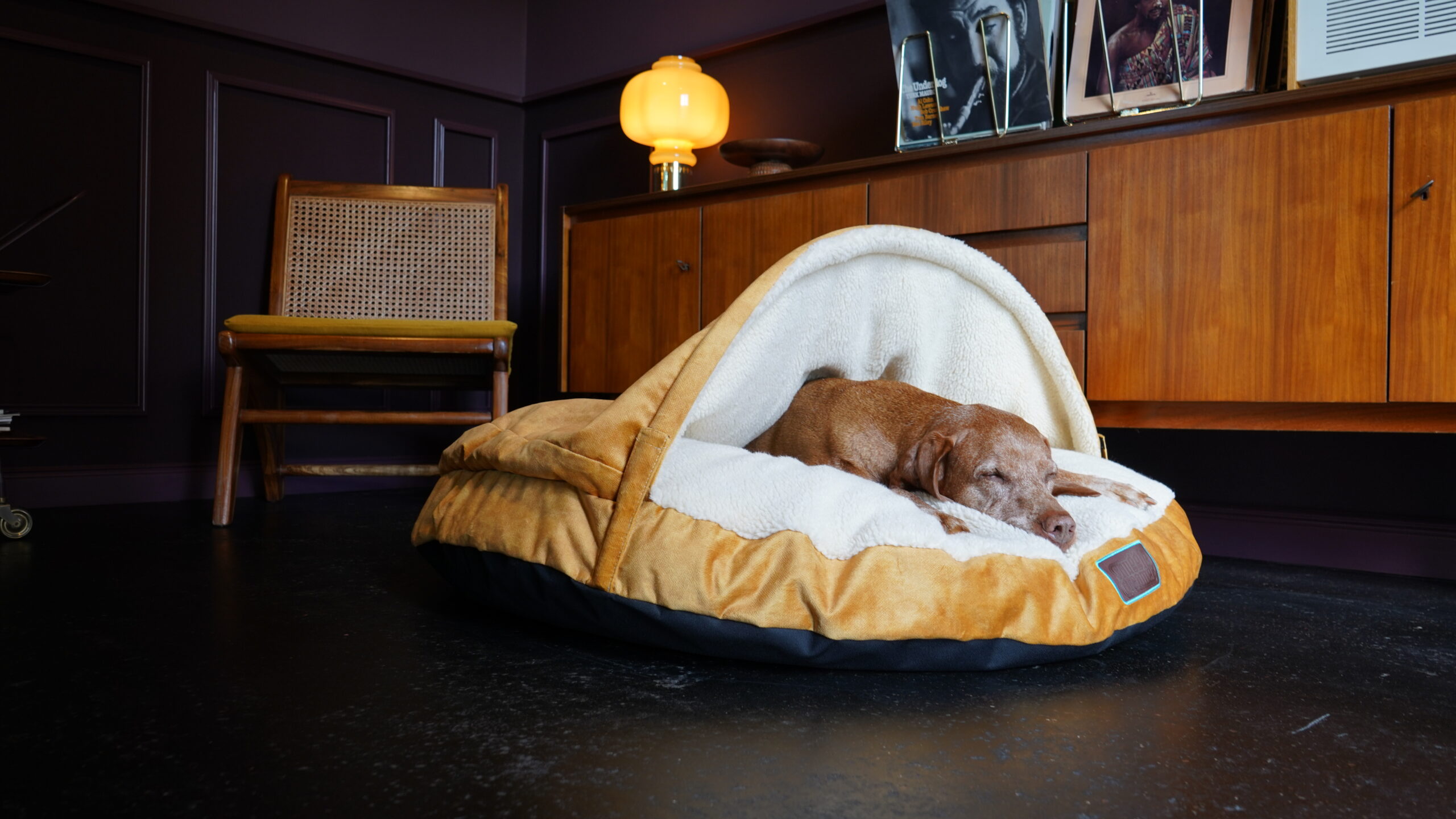
The location of your dog’s sleeping area matters as much as the bed itself. Most dogs prefer a quiet spot where they can rest but still feel connected to their family.
Avoid placing the bed near busy doors, loud appliances, or areas with constant foot traffic. A peaceful corner of the living room or bedroom often works well.
The best dog sleep environment balances comfort and security. Your dog should be able to relax without feeling isolated.
- ✦ Low noise area
Choose a place away from sudden sounds that may disturb deep sleep.
- ✦ Safe space
Keep the sleeping area away from hazards like wires, chemicals, or unstable objects.
Selecting the Best Dog Bed and Sleeping Materials
A comfortable bed is a key part of any dog sleep environment. Dogs need support that matches their size, sleeping style, and health needs.
Large dogs may need thicker support for joints, while small dogs often enjoy soft beds that provide warmth. Older dogs may benefit from orthopedic options.
Clean materials also matter. Washable covers and durable fabrics help keep the sleeping area fresh and comfortable.

- ✦ Size matters
The bed should allow your dog to stretch, curl, and change positions easily.
- ✦ Easy cleaning
Removable covers help maintain a healthy sleeping surface.
- ✦ Support level
Choose materials that match your dog’s body needs and comfort preferences.
Beds for Puppies and Senior Dogs
Puppies need safe and comfortable beds that support growing bodies. Senior dogs may need extra cushioning to protect aging joints.
Managing Temperature, Light, and Noise for Better Dog Sleep
Temperature control is an important part of a healthy dog sleep environment. Dogs can become uncomfortable when rooms are too hot, too cold, or poorly ventilated.
Most dogs rest better in a quiet area with gentle lighting. Bright lights and sudden sounds may interrupt their natural sleep cycle.
Small changes like closing curtains, reducing noise, or adding a fan for airflow can improve comfort.

- ✦ Comfortable temperature
Keep the room at a level where your dog does not appear cold or overheated.
- ✦ Soft lighting
Lower light levels can help create a relaxing nighttime atmosphere.
- ✦ Noise control
Reduce sudden sounds to help your dog stay asleep longer.
Building Healthy Sleep Routines for Dogs
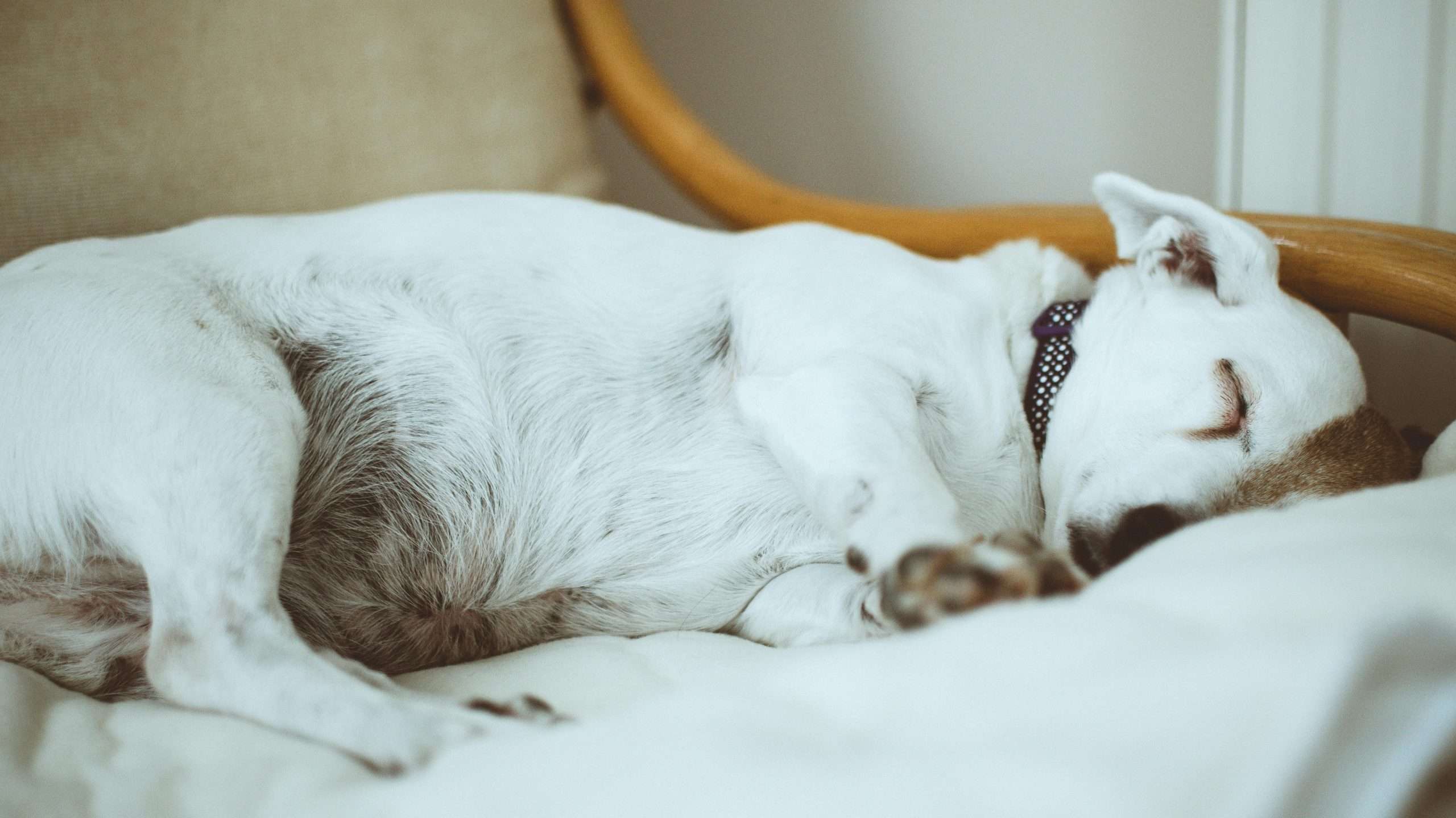
A consistent routine makes the dog sleep environment more effective. Dogs learn patterns quickly and often feel calmer when bedtime happens at a familiar time.
Daily exercise, regular meals, and quiet evenings can help prepare your dog for rest. A comfortable sleeping space works best when combined with healthy habits.
Avoid major changes to your dog’s sleeping area without giving them time to adjust. Familiar smells and objects can provide extra comfort.
- ✦ Regular schedule
Keep bedtime and wake-up times similar when possible.
- ✦ Pre-sleep activity
A calm walk or gentle play session can help your dog relax before bed.
Signs Your Dog Likes Their Sleep Space
A dog that chooses to rest in its sleeping area, settles quickly, and wakes up calmly often feels comfortable there.
