
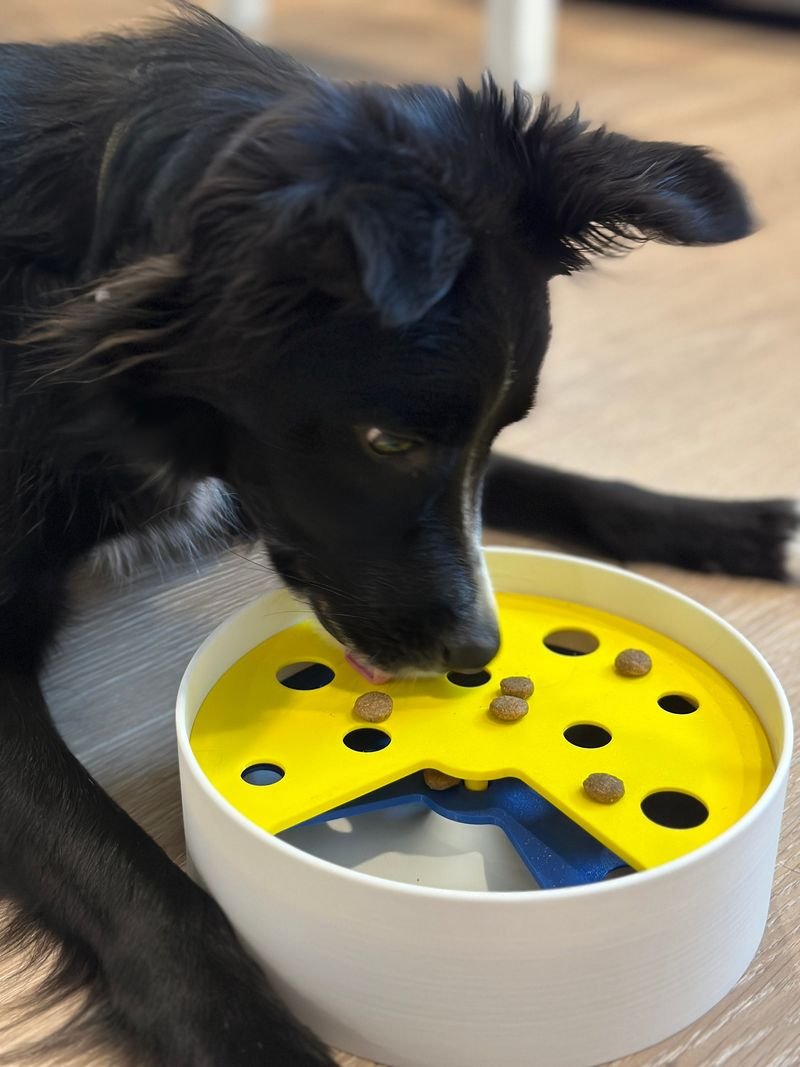
Many dog owners in the United States buy new toys when their dogs lose interest, but the problem is often not the toy itself. Dogs can become bored when they see the same items every day. A dog toy rotation system creates variety without constantly spending money on new products.
From working with pet enrichment routines, one lesson stands out: dogs enjoy discovery. A toy that sits away for two weeks can feel fresh again when it returns. This simple habit can support play, reduce boredom, and give dogs a healthier daily routine.

What Is Dog Toy Rotation and How Does It Work?
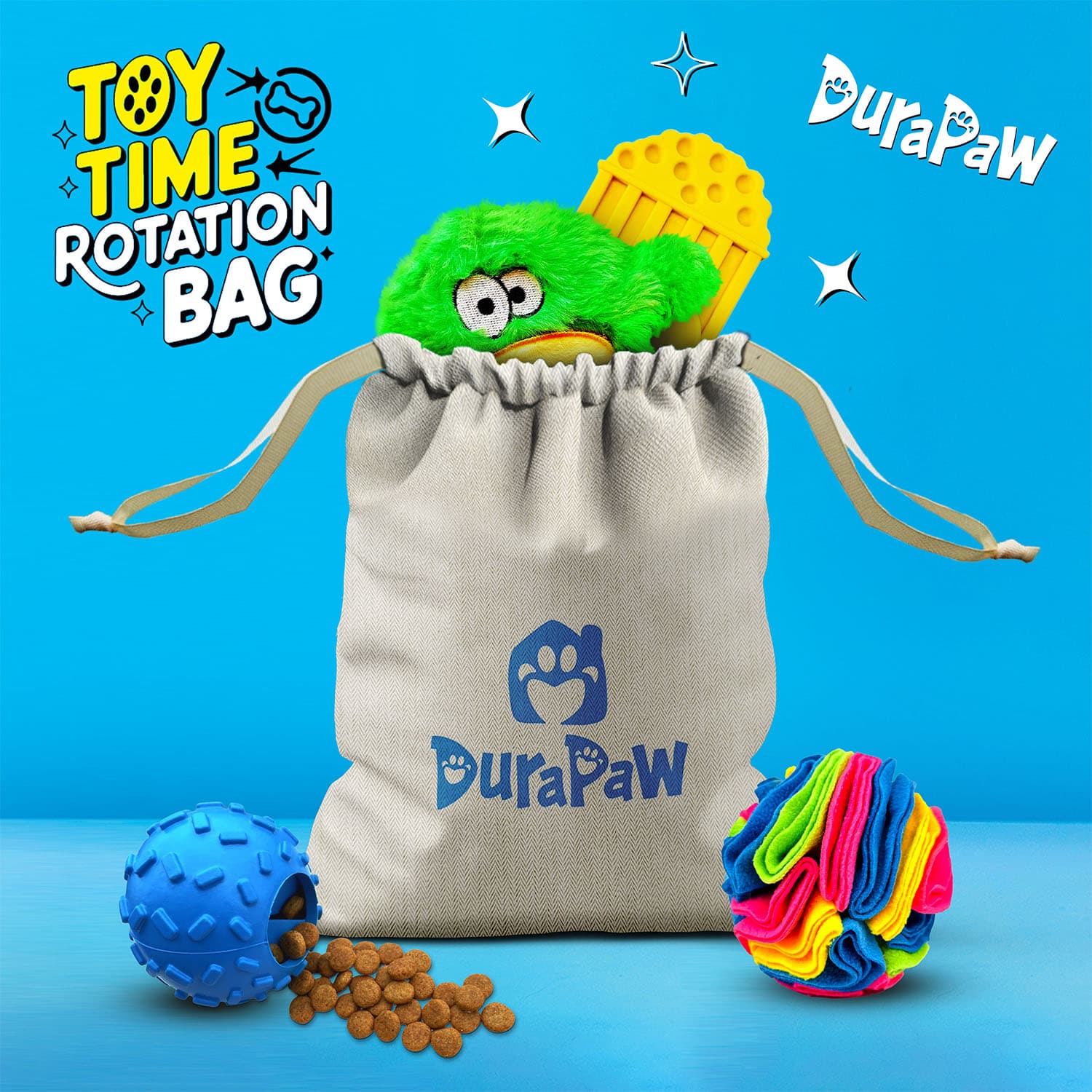
Dog toy rotation is a method where you keep some toys available and store the rest. After a set period, you replace the current toys with different ones. The goal is to create a sense of novelty while using the toys your dog already owns.
A good dog toy rotation system does not require a large toy collection. Even five to ten well-chosen toys can provide enough variety. The key is offering different types of play, such as chewing, chasing, solving problems, and gentle interaction.
- ✦ Create toy groups
Separate toys into groups such as chew toys, puzzle toys, fetch toys, and comfort toys so your dog receives different experiences.
- ✦ Change toys regularly
Many owners rotate toys weekly, but the timing can change based on how quickly their dog loses interest.
Why Dogs Respond Well to Toy Changes
Dogs are naturally curious animals. A hidden toy can regain value because it creates a new smell, texture, and experience when it returns.
This does not mean dogs need constant excitement. A balanced routine with familiar and new activities often works best.
- ✦ Mental freshness
Rotating toys encourages exploration and keeps daily play more interesting.
Benefits of Using a Dog Toy Rotation System
A dog toy rotation plan offers several benefits for both dogs and owners. It helps manage toy clutter while giving dogs more meaningful play opportunities.
Many busy American households use enrichment routines because dogs may spend several hours alone during workdays. Rotating toys can become one small part of a complete care routine that includes walks, training, and social time.

- ✦ Reduces boredom
Changing toys helps prevent your dog from ignoring the same items every day.
- ✦ Encourages independent play
Some dogs learn to entertain themselves better when they have interesting options available.
- ✦ Saves money
Instead of buying new toys often, owners can make existing toys feel valuable again.
Supporting Mental Stimulation
Mental stimulation is important for dogs of all ages. Puzzle feeders, scent games, and interactive toys can challenge a dog’s problem-solving skills.
A rotating selection makes enrichment easier because your dog receives different challenges throughout the week.
- ✦ Different challenges
Use a mix of toys that encourage chewing, searching, movement, and thinking.
How to Create the Perfect Dog Toy Rotation Schedule
Creating a dog toy rotation schedule is simple. Start by collecting all your dog’s toys and checking their condition. Remove damaged toys and keep only safe options.
A practical approach is to keep three to five toys available at one time. Store the remaining toys in a box or closet and bring back different choices later.

- ✦ Step one: Review your toys
Check for tears, loose parts, and damage before adding toys into your rotation.
- ✦ Step two: Choose variety
Pick toys with different purposes instead of several toys that offer the same type of play.
- ✦ Step three: Track your dog’s favorites
Notice which toys create excitement and adjust your rotation based on your dog’s preferences.
How Often Should You Rotate Dog Toys?
There is no single perfect schedule for every dog. Some dogs enjoy weekly changes, while others prefer a slower rotation every two or three weeks.
Watch your dog’s behavior. If your dog stops showing interest, it may be time to introduce stored toys again.
- ✦ Weekly rotation
Works well for dogs that quickly lose interest.
- ✦ Monthly rotation
May work better for dogs that enjoy familiar toys.
Choosing the Right Toys for Your Dog Rotation
The best dog toy rotation includes toys that match your dog’s personality. A high-energy retriever may enjoy fetch toys, while a food-motivated dog may prefer puzzle toys.
Avoid choosing toys only because they look interesting. Safety, durability, and your dog’s play habits matter more than appearance.

- ✦ Chew toys
Useful for dogs that enjoy chewing and need appropriate outlets for this behavior.
- ✦ Puzzle toys
Help dogs use problem-solving skills to access treats or rewards.
- ✦ Interactive toys
Encourage movement and engagement through action-based play.
Match Toys With Your Dog’s Play Style
Every dog has a unique play style. Some dogs love chasing moving objects, while others prefer sniffing and searching.
Understanding your dog’s natural habits helps you build a rotation that feels exciting instead of random.
- ✦ Observe behavior
Notice whether your dog likes chewing, fetching, tugging, or solving puzzles.
Common Dog Toy Rotation Mistakes to Avoid
A dog toy rotation system works best when it stays simple. Some owners make the process too complicated or keep too many toys available at once.
The goal is not to create a perfect schedule. The goal is to give your dog better play experiences with less waste.

- ✦ Leaving every toy out
Too many choices can make toys less special and reduce excitement.
- ✦ Ignoring safety checks
Damaged toys should be removed quickly to prevent risks.
- ✦ Buying instead of rotating
New purchases are not always needed when old toys can become exciting again.
Keeping the System Easy
Use a small storage box and create a simple habit. A few minutes of organization can improve your dog’s daily enrichment.
Many owners find that a simple routine is easier to maintain than a complicated plan.
- ✦ Simple storage
Keep stored toys clean and ready for future rotations.
